
Advice and tips on homebrewing
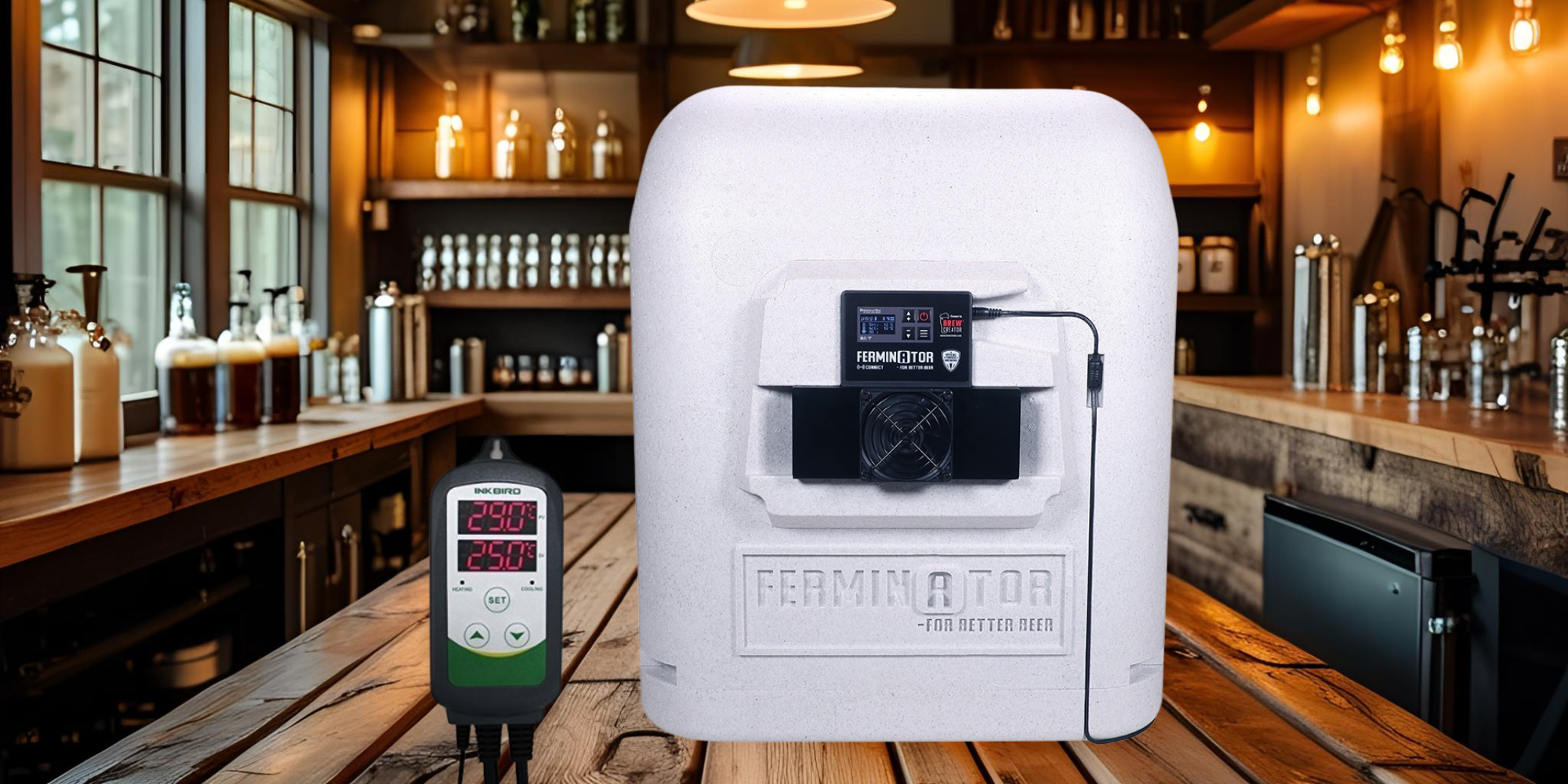
Temperature control during fermentation – crucial also when you brew with Fresh Wort Kits
A Fresh Wort Kit lets you skip straight to fermentation, but that is exactly where temperature decides the flavour. We go through a fridge with an Inkbird, the Fercubator and glycol chillers, and how to cold crash.
Fresh Wort Kits – why you should choose 20L over 15L
A 15 litre fresh wort kit has to be diluted with water at home, while a 20 litre kit is finished wort ready to ferment. Here is why water chemistry makes the difference.
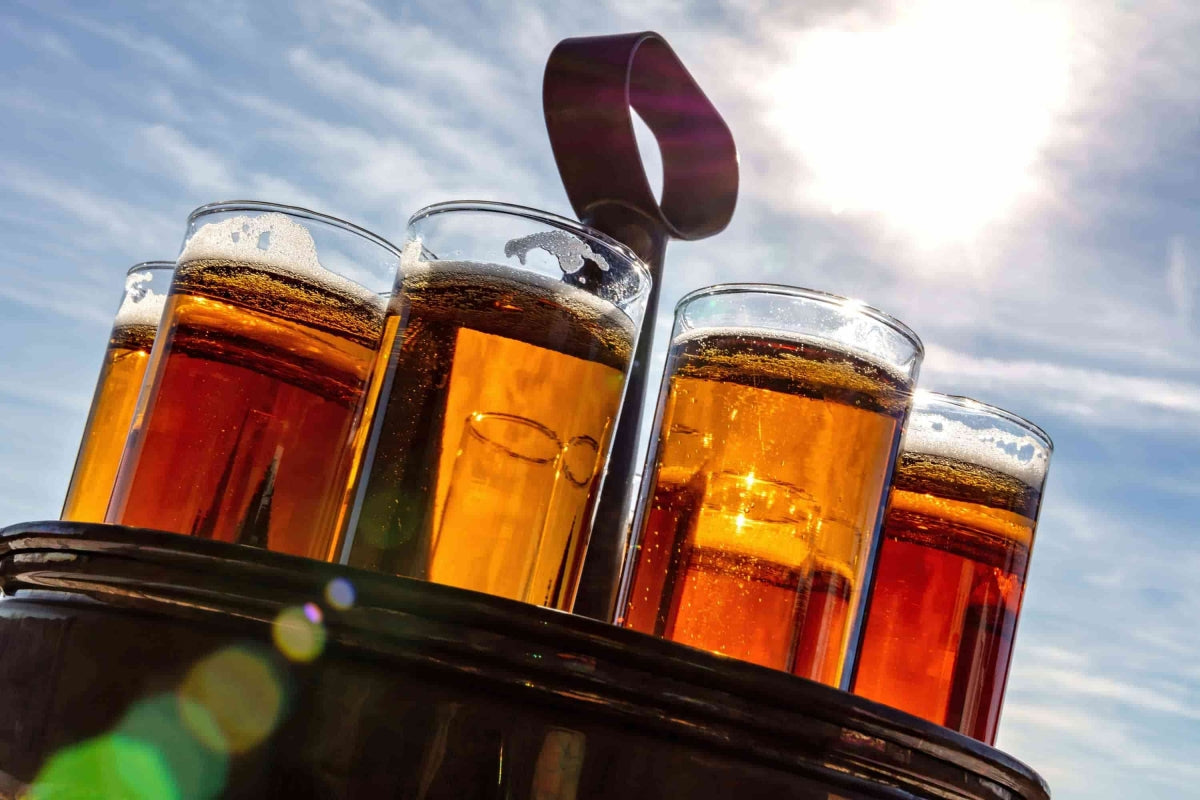
Kölsch – the perfect summer drink
Kölsch is a pale and crisp top-fermented beer style from Cologne, and perhaps the closest we get to a top-fermented pilsner. Here are the ingredients and fermentation tips that give a clean kölsch.

Märzen Lager
Märzen is the original Oktoberfest style: a darker and stronger lager where the malt takes the lead. Here are the ingredients, the yeast choice and why temperature control matters most.
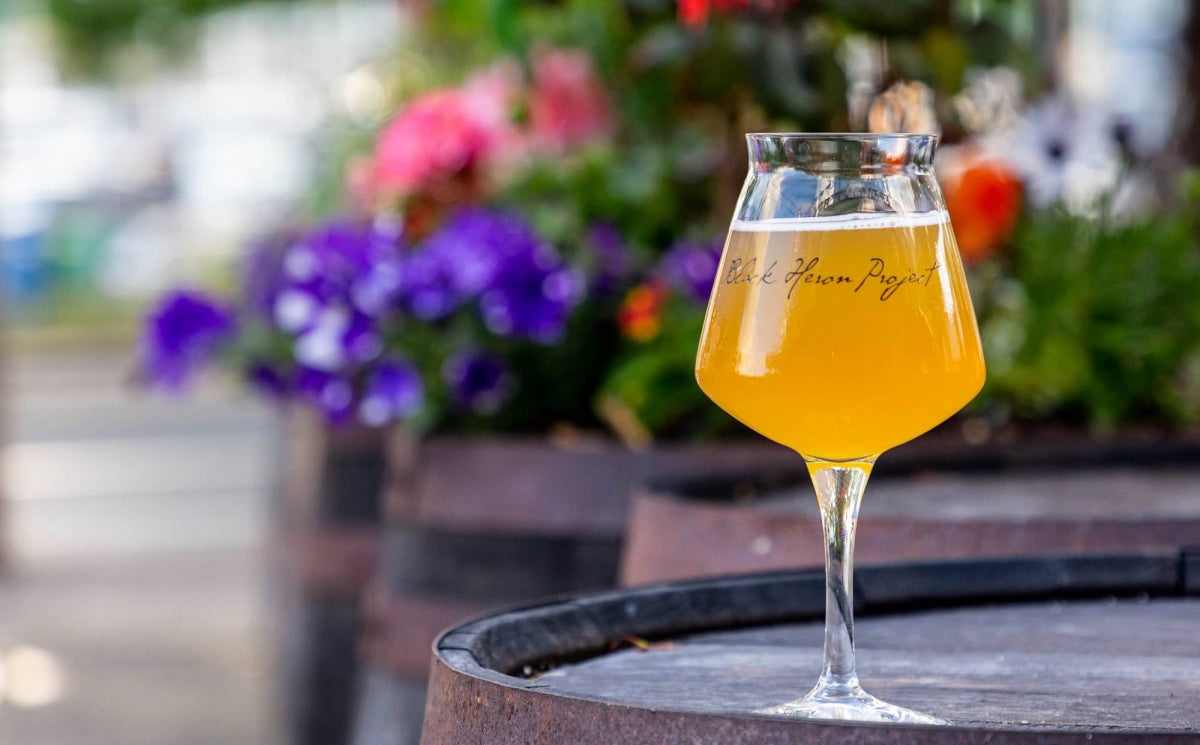
Saison - Belgian Farmhouse Ale
Saison started out as a light thirst-quencher for farm workers in Belgium and is today a dry, spicy beer style of up to 7%. Here are the malt, hops and yeast, and how fermentation temperature controls the flavour.
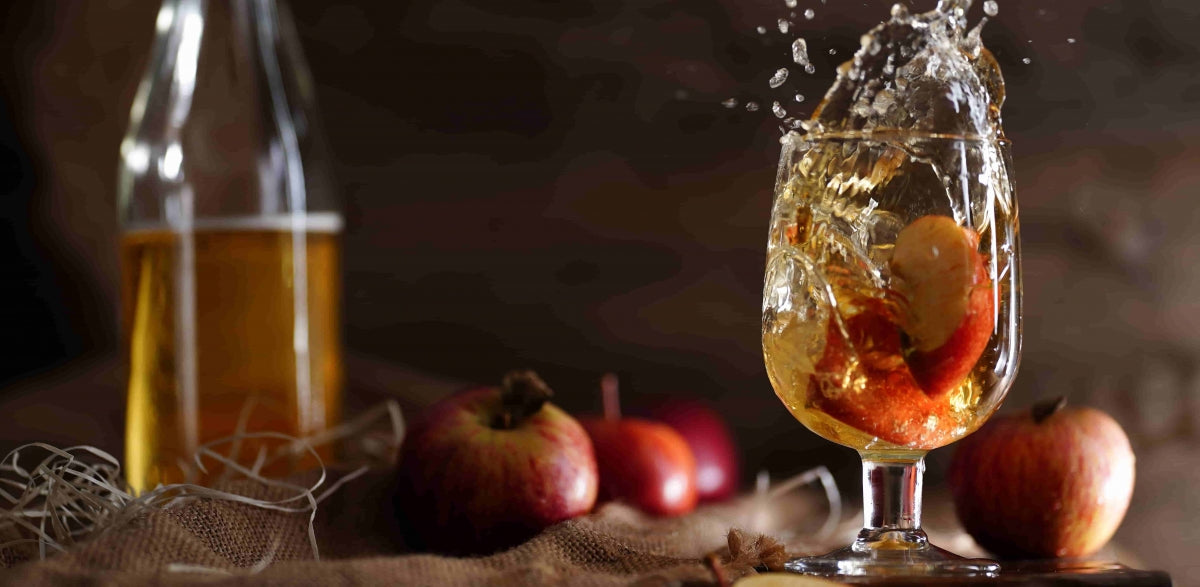
How to make cider from fruit
Real cider from apples and other fruit should be well fermented out and dry, and needs a long maturation time. Here is the equipment, the yeast strains and the method from pressed juice to finished cider.
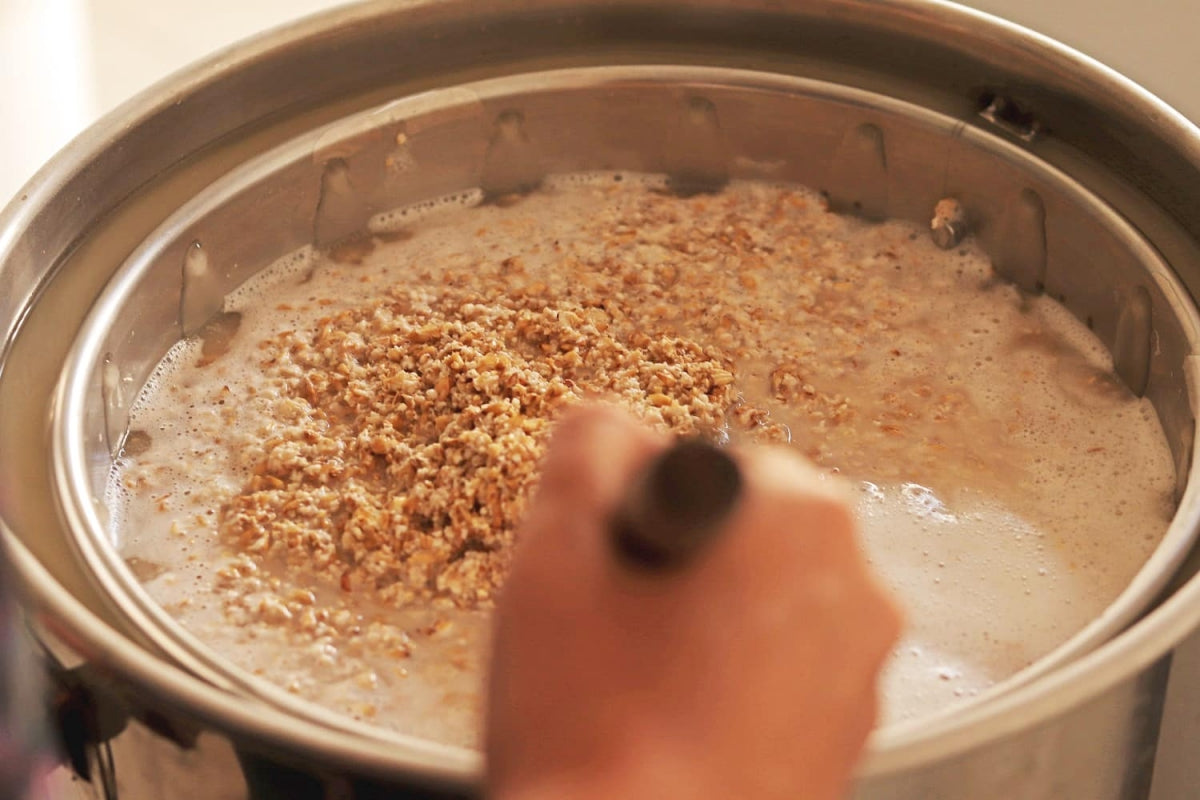
Mash efficiency vs brewhouse efficiency
Efficiency in brewing is about how much sugar you actually extract from the malt. Here is the difference between mash efficiency and brewhouse efficiency, and how to measure them.
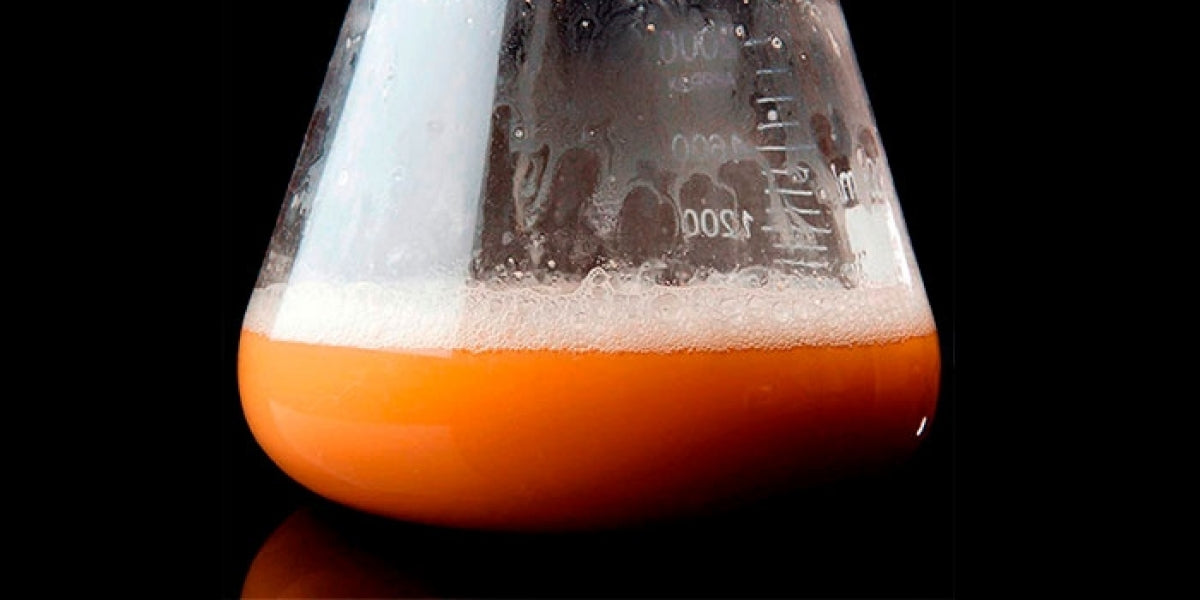
Using fresh yeast and making a yeast starter
Fresh yeast goes dormant and loses live cells over time, and a yeast starter makes sure you have enough healthy yeast. Here is the equipment, the method, the quick method and how to find the right starter size.
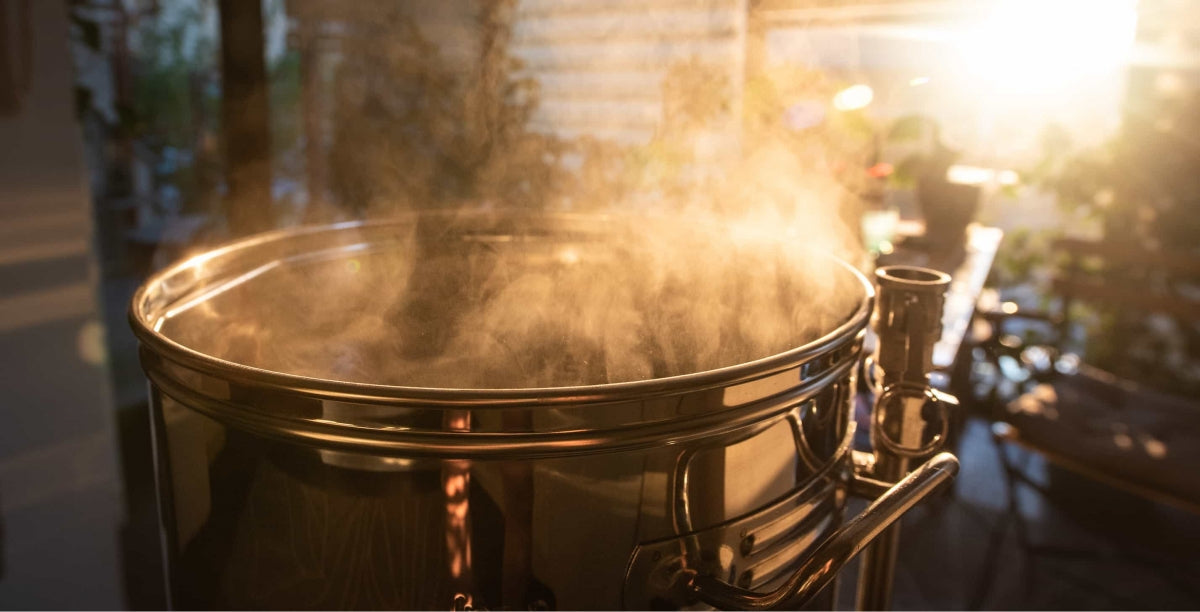
Kettle Sour – brewing kettle-soured beer
Kettle souring is a fast and safe way to brew sour beers such as berliner weisse and gose, because the boil kills the lactic acid bacteria before fermentation. Here are the malt, hops, bacteria and the process step by step.
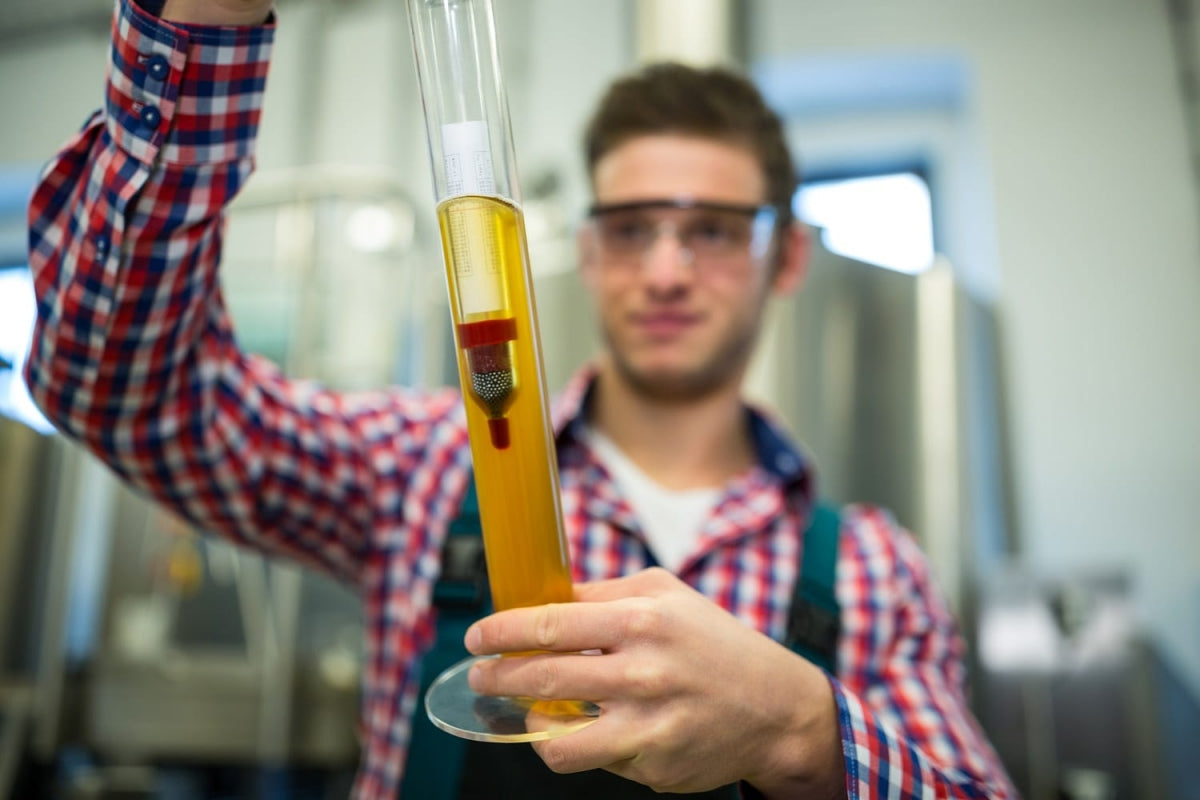
Tips for better efficiency when brewing beer - troubleshooting
If your OG is lower than the recipe promises, the fault usually lies in the crush, mashing in, the amount of malt or sparging. Here we go through the causes and how to correct a low yield before the boil.
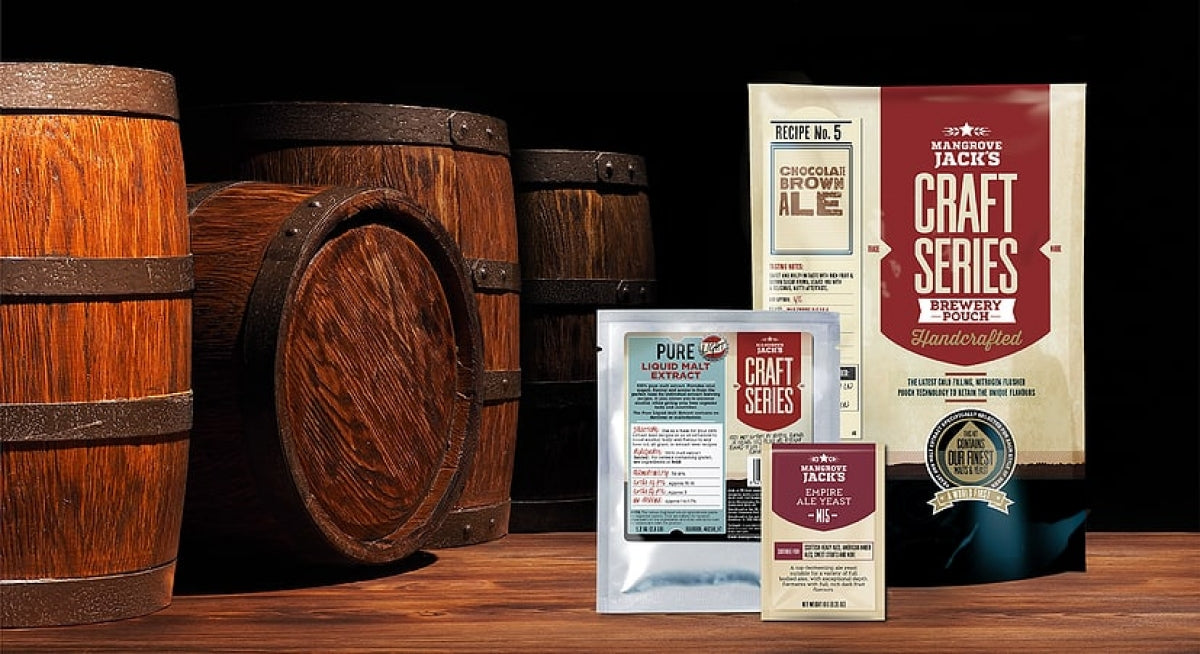
Brewing beer and cider with extract kits
Extract kits are the easiest route to your own beer and cider, and give a full-fledged result with good temperature control. Here is the equipment, the method step by step, and when to use malt extract or sugar.

Water adjustment when brewing beer
Water is the biggest part of beer, and the water profile affects flavour, body and fermentation. Here are the salts you need, the right mash pH and how Brewfather calculates the amounts for you.