
Kölsch is a traditional top-fermented beer that originates from Cologne (Köln) in Germany. Strictly speaking, the name is a protected designation in the same way as Champagne, so we really should not use the name for this beer unless it is brewed in Cologne. We will take our chances anyway. Kölsch is a pale, dry and crisp beer style, and is perhaps the closest we get to a top-fermented pilsner. A perfect summer thirst-quencher with a relatively low alcohol content and light, delicate flavours. First and foremost, a traditional kölsch should taste of bread or white loaf. The hops should not be prominent, but rather balance the malt character with light spicy and floral notes.
A good Kölsch often uses simple ingredients
The malt base can often be as simple as 100% pilsner malt, but a small proportion of wheat is not unusual.
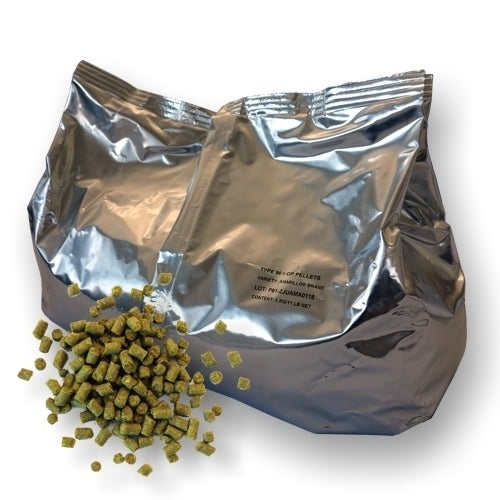
The hops play second fiddle in this beer style, and light traditional hops such as Perle, Hallertau Mittelfruh, Tettnanger or Saaz are good choices. Keep the American hop varieties away.
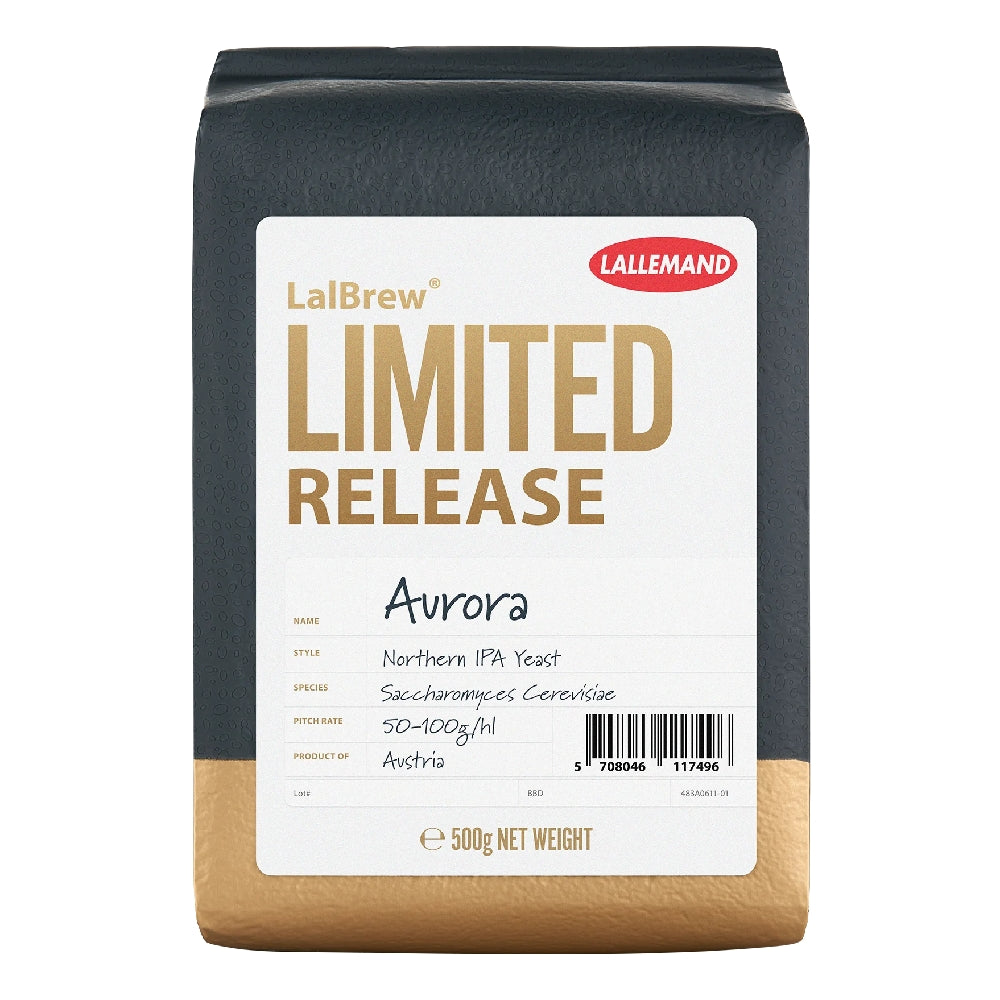
Choosing yeast for a true kölsch is relatively simple. WLP029 is without doubt the best option for liquid yeast, giving delicate fruity notes without being dominant. Since this is a top-fermented beer with relatively low strength, one pack of yeast without a starter will often be enough. For a long time this was the only yeast that could make a true kölsch, but there are now good dry yeast alternatives such as K-97 or M54.
Tips for brewing Kölsch
In principle this is not a challenging beer to brew. Still, there are a couple of key points to consider to lift your beer a notch or two.
Since this is a beer style with very light and delicate flavours, any off-flavours will shine through more easily. That is why temperature control during fermentation makes the big difference. Top-fermented beer typically ferments at 18–20°C, but a kölsch is best started as low as 15–16°C. This is to avoid too many fruity esters from the yeast, so that the malt character gets to shine first and foremost. Towards the end of fermentation it is also beneficial to raise the temperature a few degrees (diacetyl rest); this makes sure the beer ferments out completely and minimises the risk of diacetyl, which gives an unwanted buttery flavour.
Also avoid stirring too much or too vigorously during the mash. In the worst case this can give harsh/bitter flavours (tannins) that are unpleasant in a pale, light beer style like this. The same can happen if the sparge water temperature is too high.
In principle a kölsch needs little conditioning time, so it can be enjoyed almost as soon as it has finished fermenting and been carbonated. The beer should also be carbonated fairly highly, so you get a lovely, creamy head.
In our range of all-grain beer kits, we can also offer three very popular kits for Kölsch:
We also offer Summer Kölsch as a fresh wort kit with 20 litres of wort professionally brewed by Austmann Bryggeri, one of Norway's largest microbreweries.
To really immerse yourself in this simple yet complex beer, we warmly recommend the book "Kölsch: History, brewing techniques, recipes".
Last but not least, a proper kölsch should be served in the right glass!
Tall, straight «tumblers» without handles are the traditional way to serve it.