Category
123 products
Showing 1 - 48 of 123 products
Homebrew yeast – dry yeast, fresh yeast and kveik
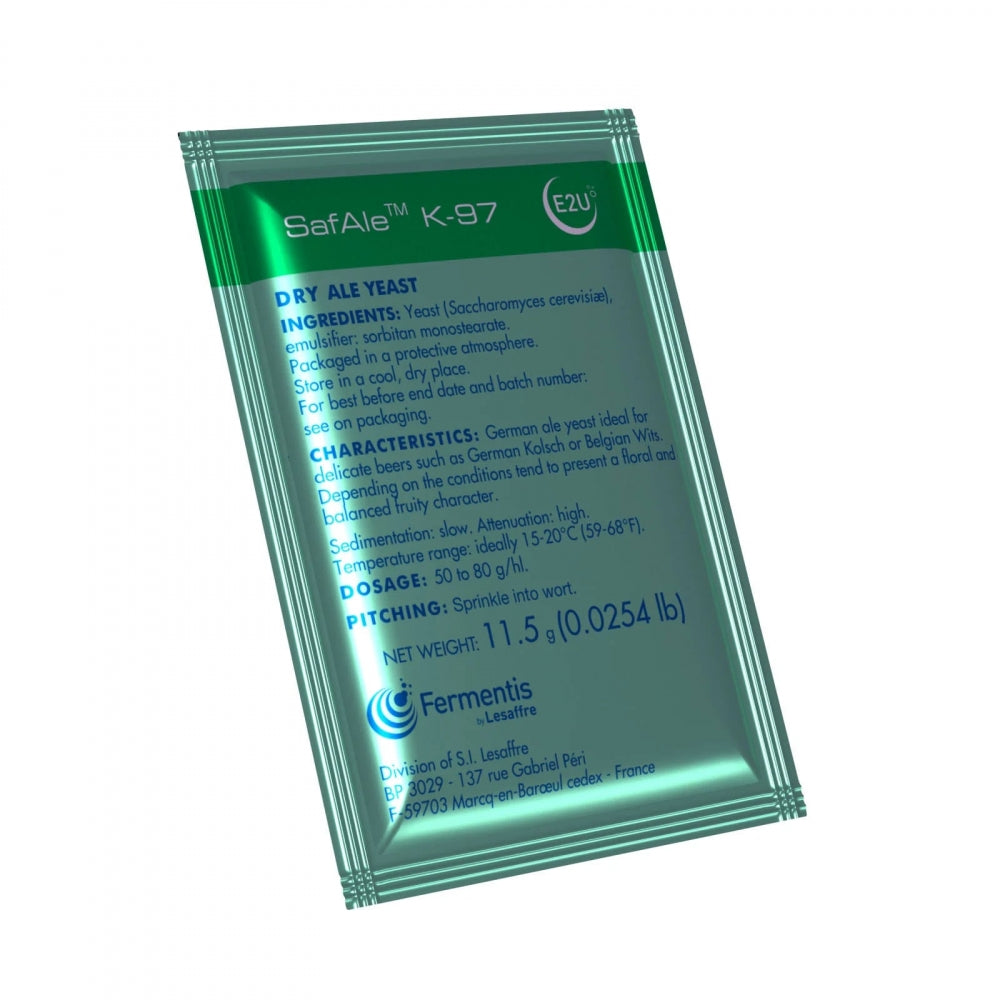
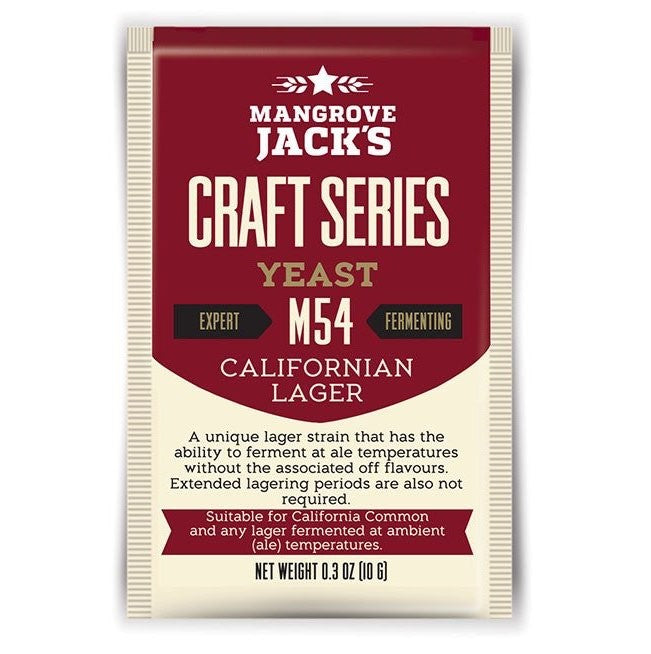
Yeast for homebrewing beer, cider, wine and mead. Here you will find dry yeast from Fermentis, Lallemand, Mangrove Jack's, AEB Brewing, WHC Lab and Omega Yeast, fresh yeast from White Labs, Norwegian kveik from Kveik Yeastery, wine yeast, turbo yeast and yeast nutrients. Most dry yeast sachets weigh 10–11.5 g and are sized for a standard homebrew batch.
How to choose yeast for your beer
- Beer style: Top-fermenting ale yeast (Saccharomyces cerevisiae) is used for IPA, pale ale, stout and Belgian beer. Bottom-fermenting lager yeast (Saccharomyces pastorianus) ferments cold and gives clean pilsners and lagers.
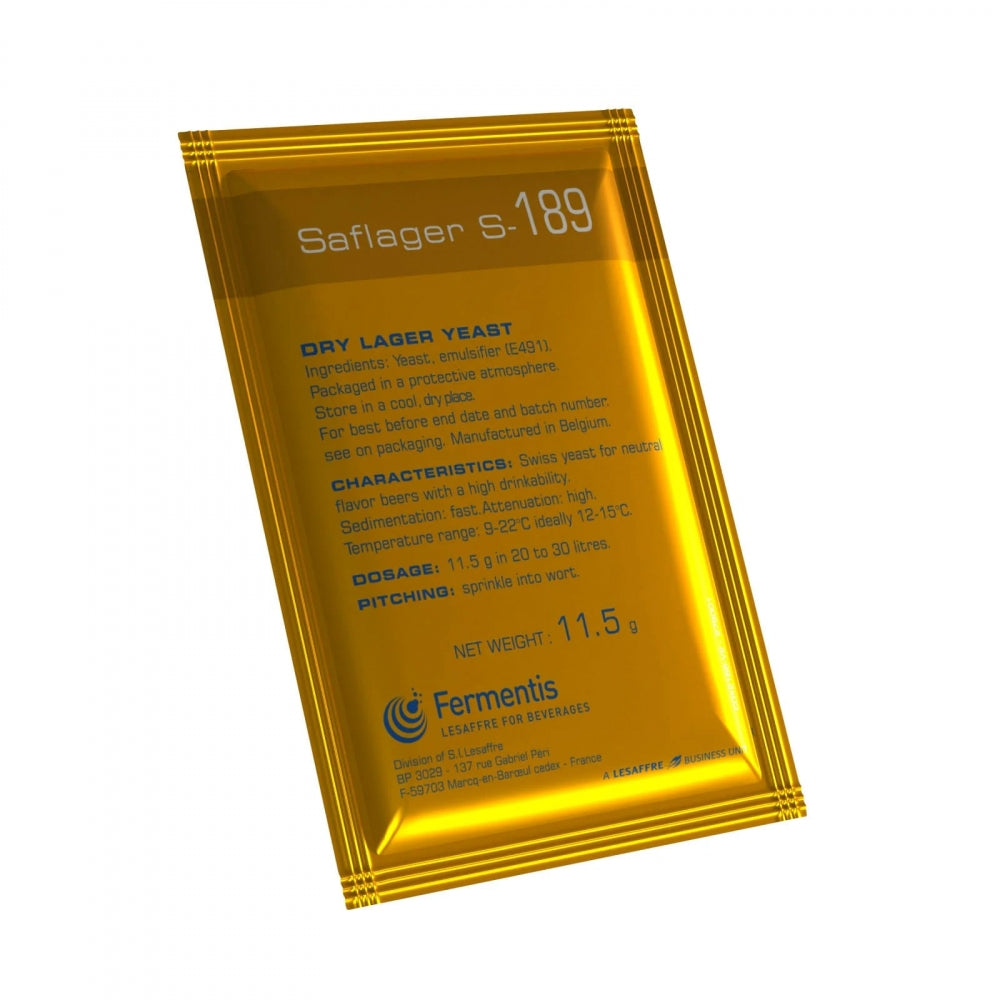
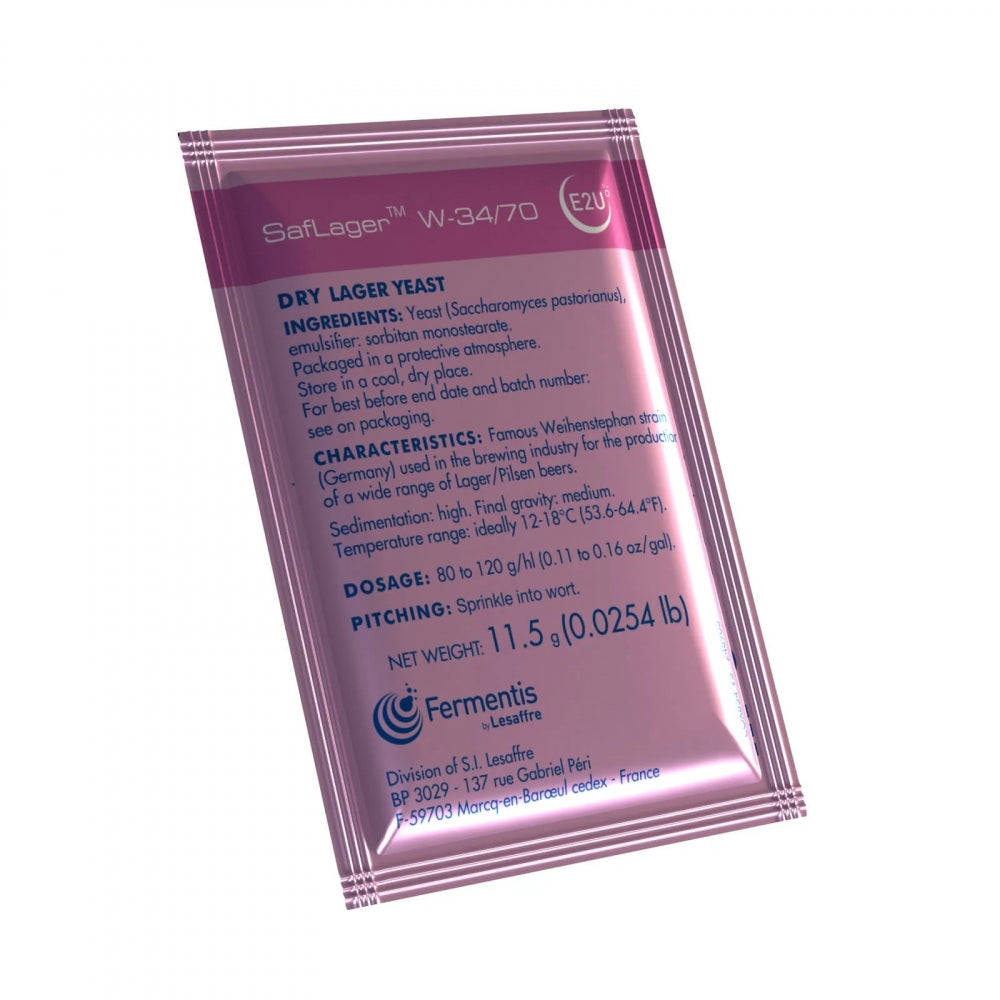
- Temperature: Lager yeast such as SafLager W-34/70 works best at 12–18 °C, while ale yeast such as SafAle US-05 ferments at 18–26 °C. Kveik tolerates much more: K.1 Voss Kveik ferments from 15 to 40 °C.
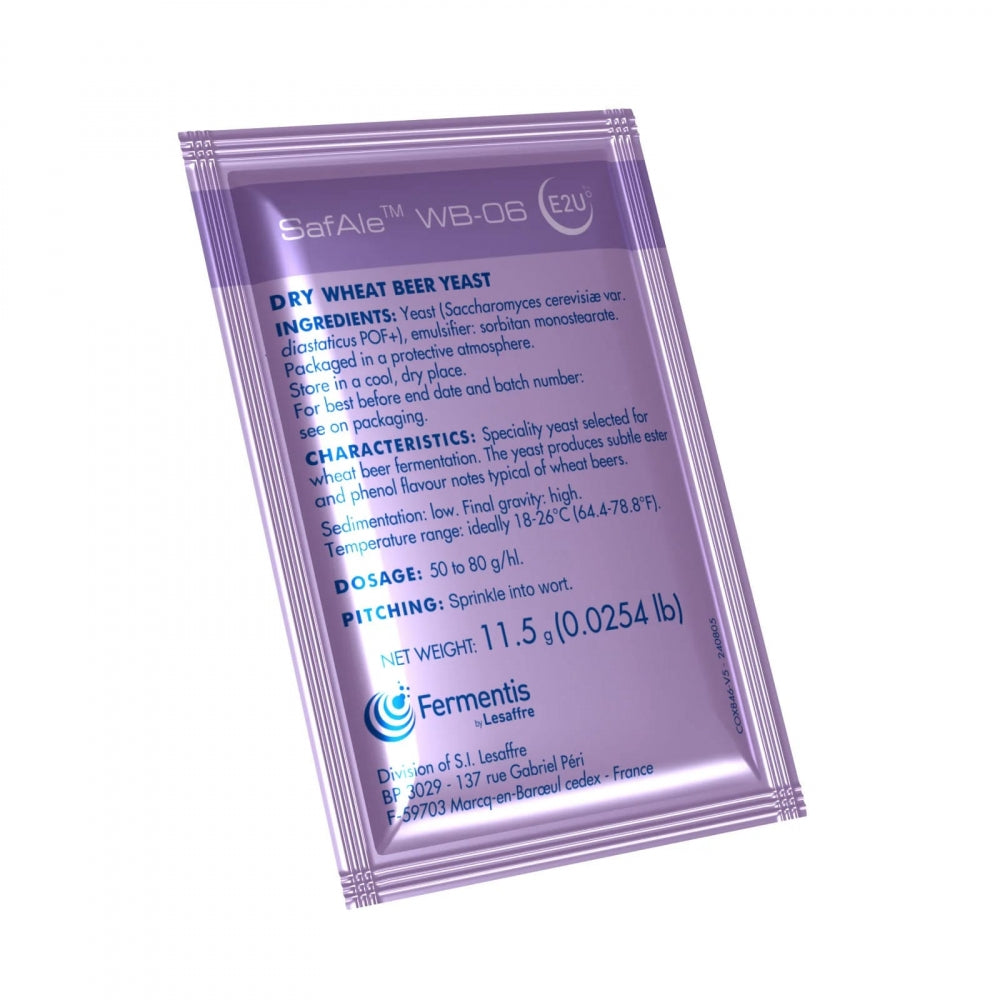
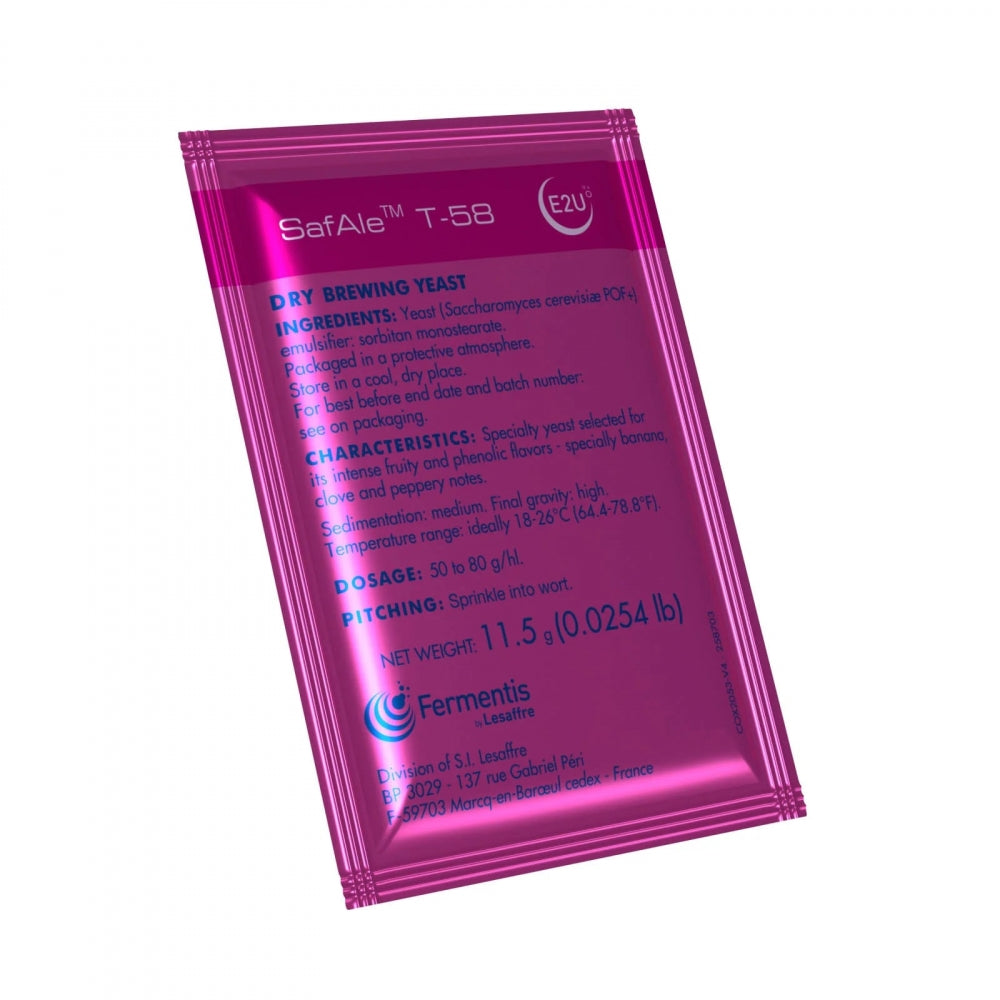
- Flavour: US-05 is neutral and lets malt and hops come through. Wheat beer yeast such as SafAle WB-06 gives banana and clove, and Belgian strains give spice and fruit.
- Dry or fresh: Dry yeast keeps for a long time, and many strains can be sprinkled straight onto the wort. Fresh yeast gives access to more classic strains, but must be kept cold and used before the best-before date.
Types of yeast in the range
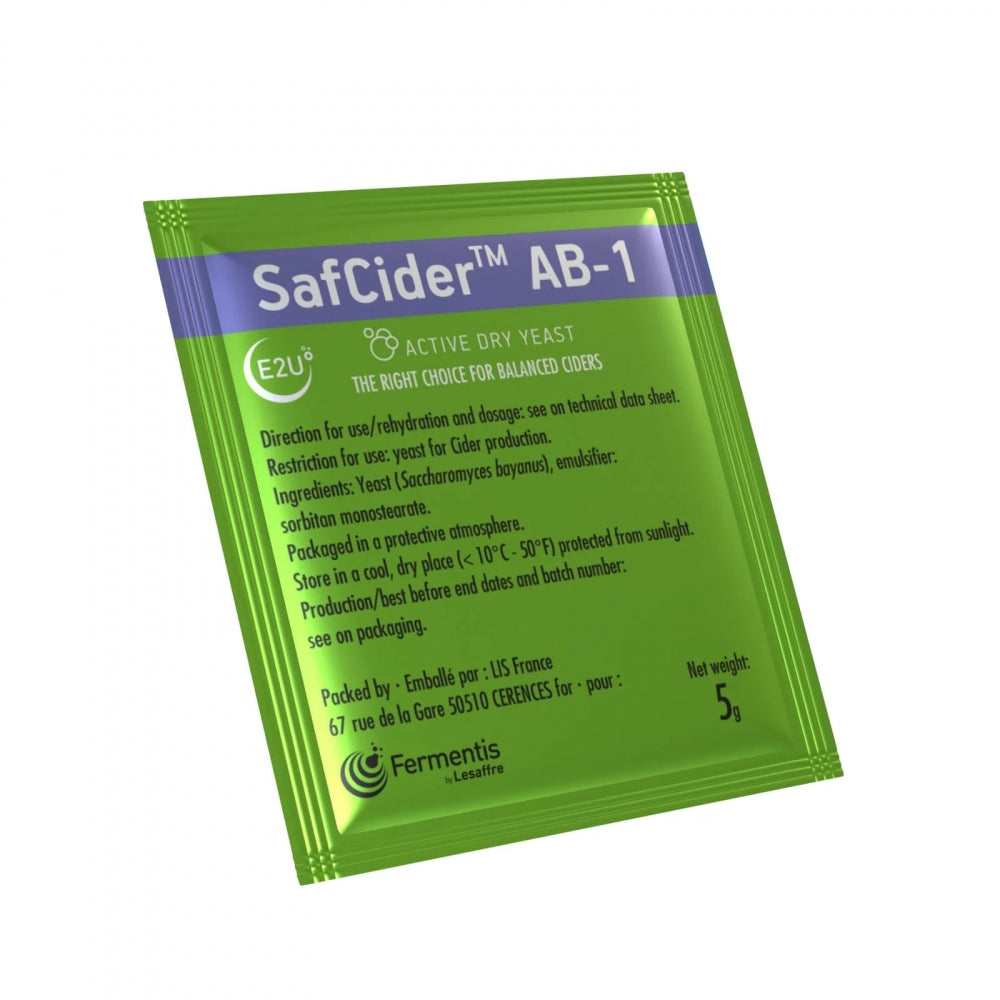
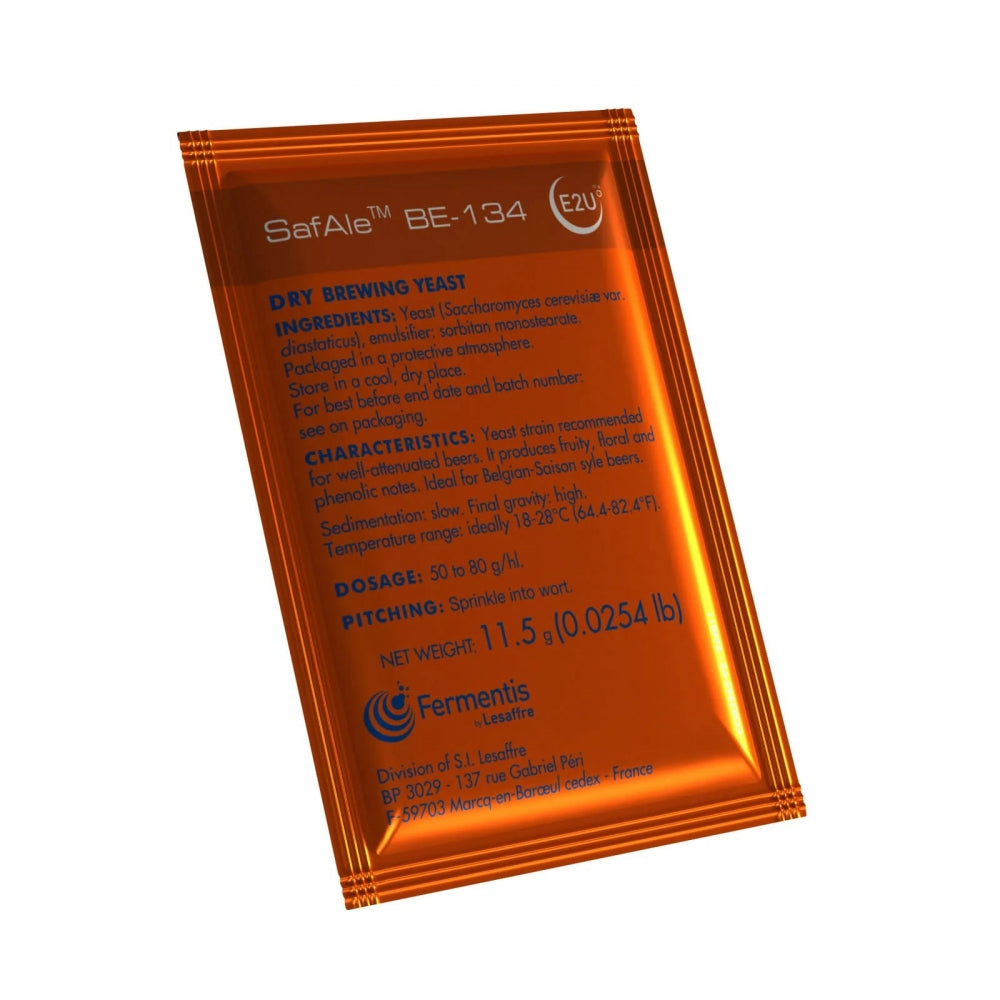
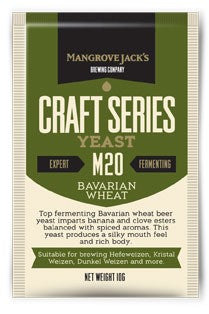
- Dry yeast – ale, lager, wheat beer, Belgian, sour, kveik and cider.
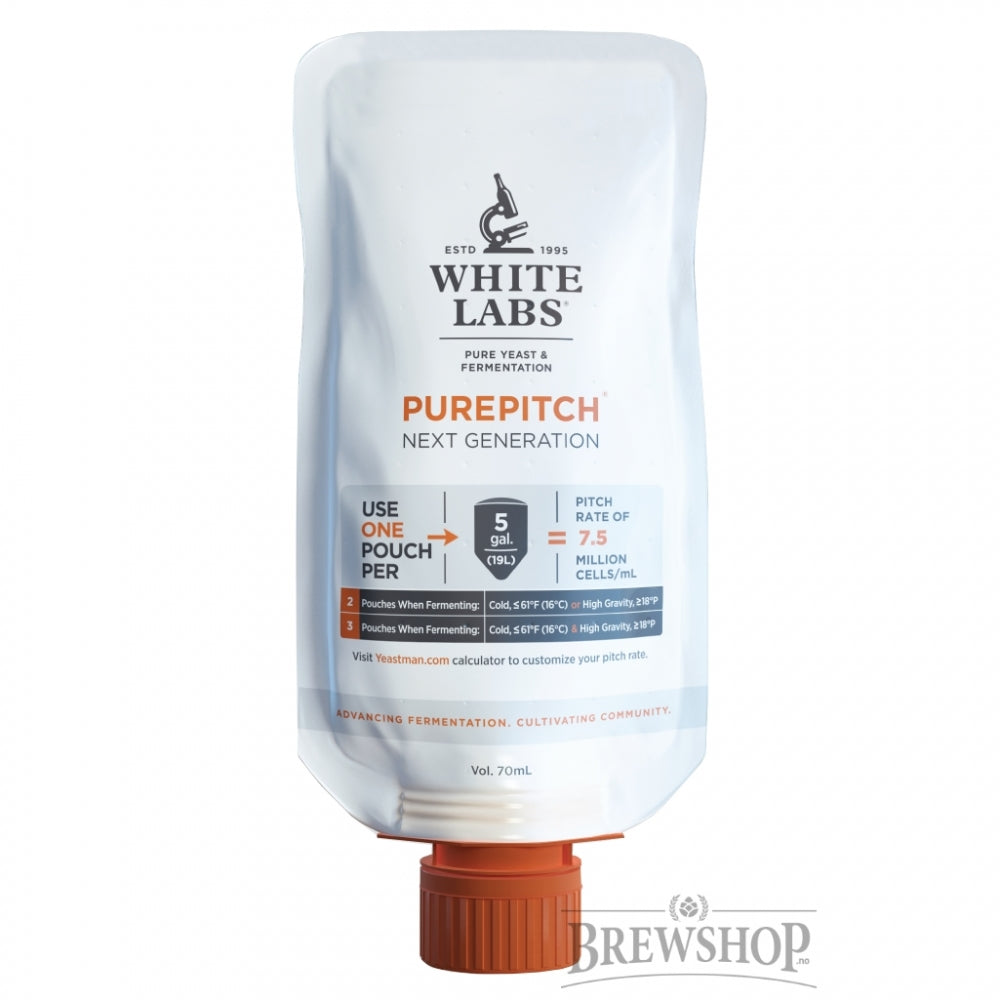
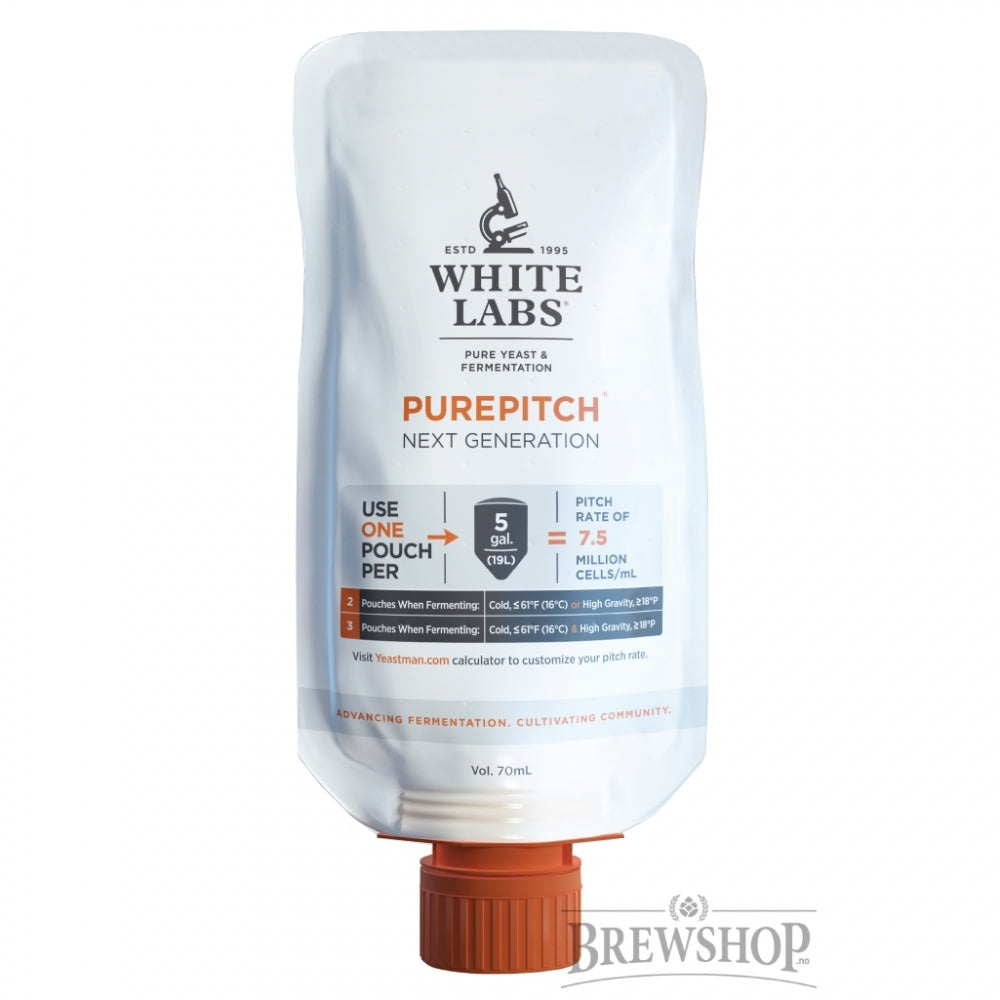
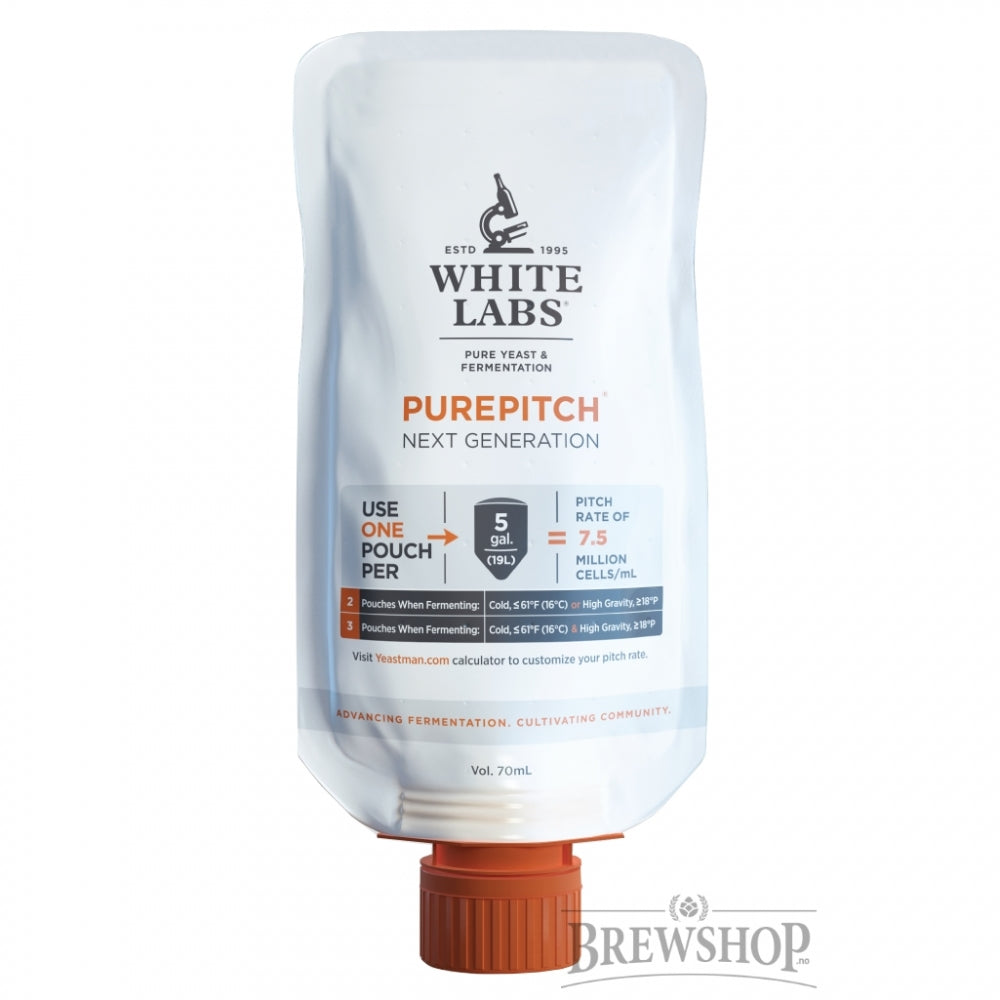
- Fresh yeast – liquid yeast in 70 ml PurePitch Next Generation.
- Kveik from Kveik Yeastery – dried Norwegian farmhouse yeast in 7 g.
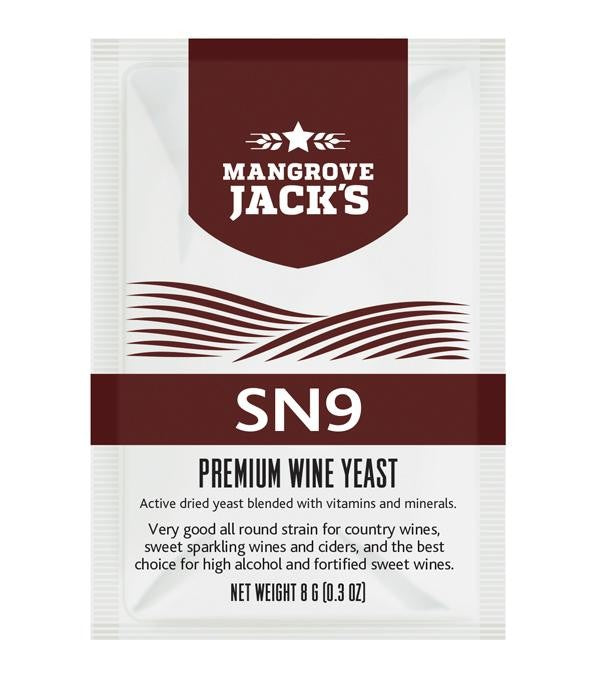
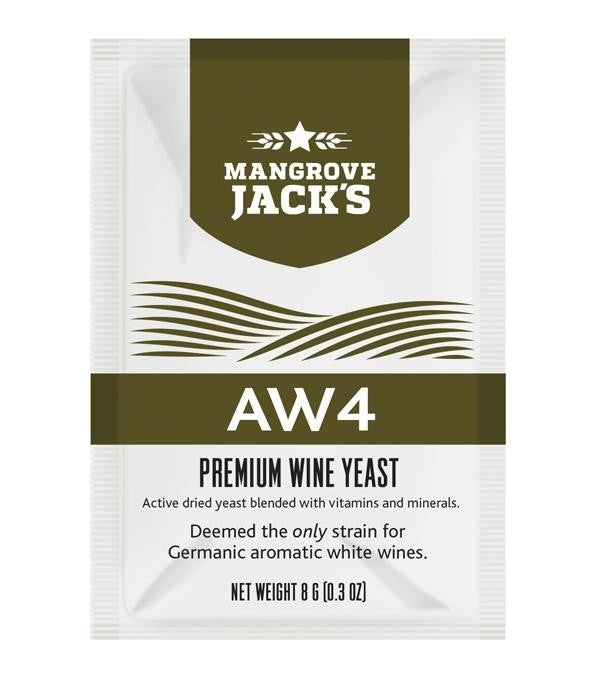
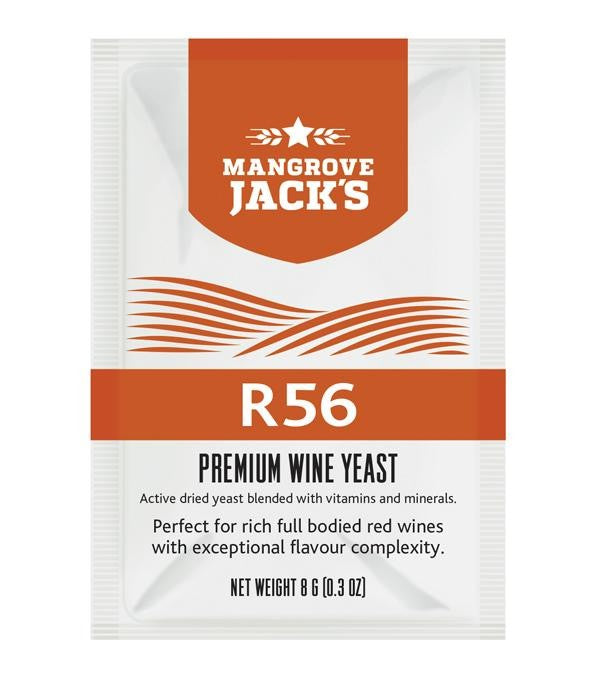
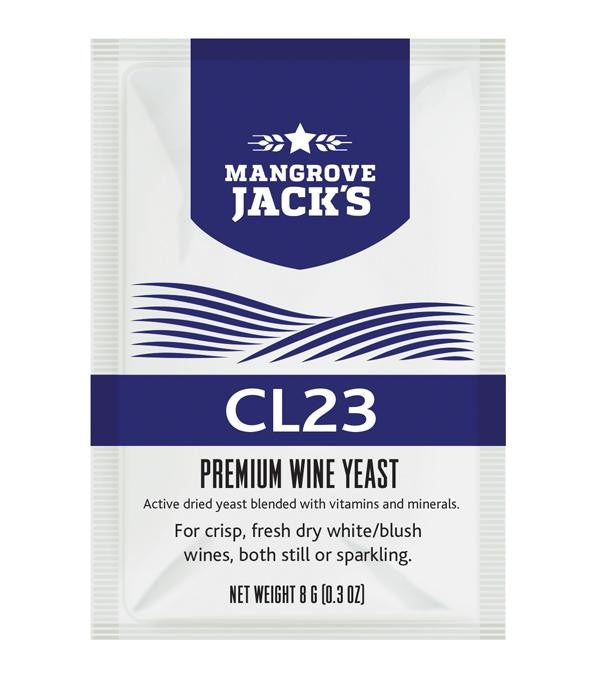
- Wine yeast – strains for red, white and fruit wine and mead.
- Yeast nutrients – Servomyces, WLN1000 and nutrients for mead, cider and hard seltzer.
- Turbo yeast – turbo yeast, finings and activated carbon from Still Spirits.
Brands we stock
- Fermentis – the SafAle, SafLager, SafCider and SafBrew ranges.
- Lallemand – the LalBrew, WildBrew and Lalvin ranges.
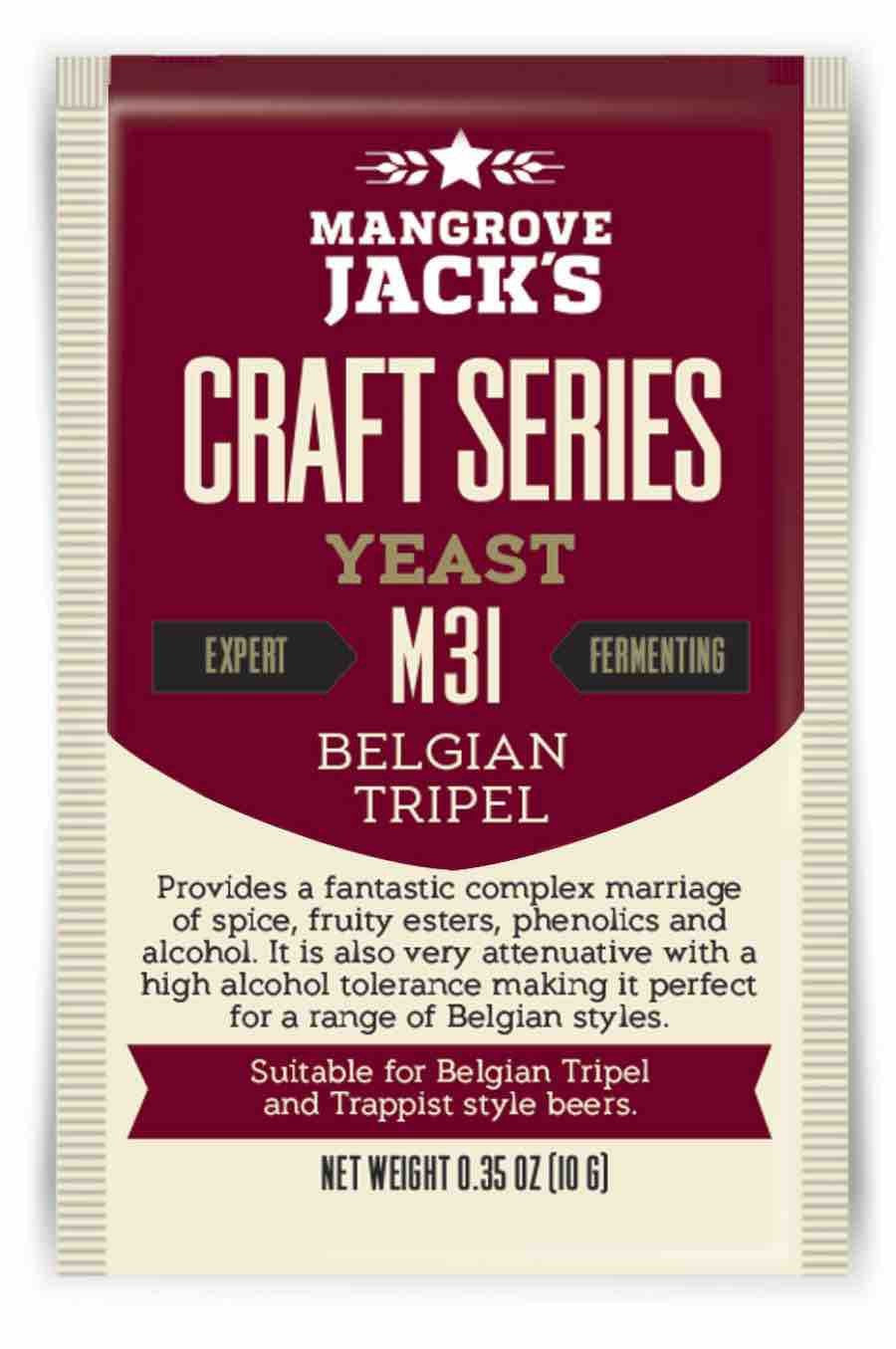
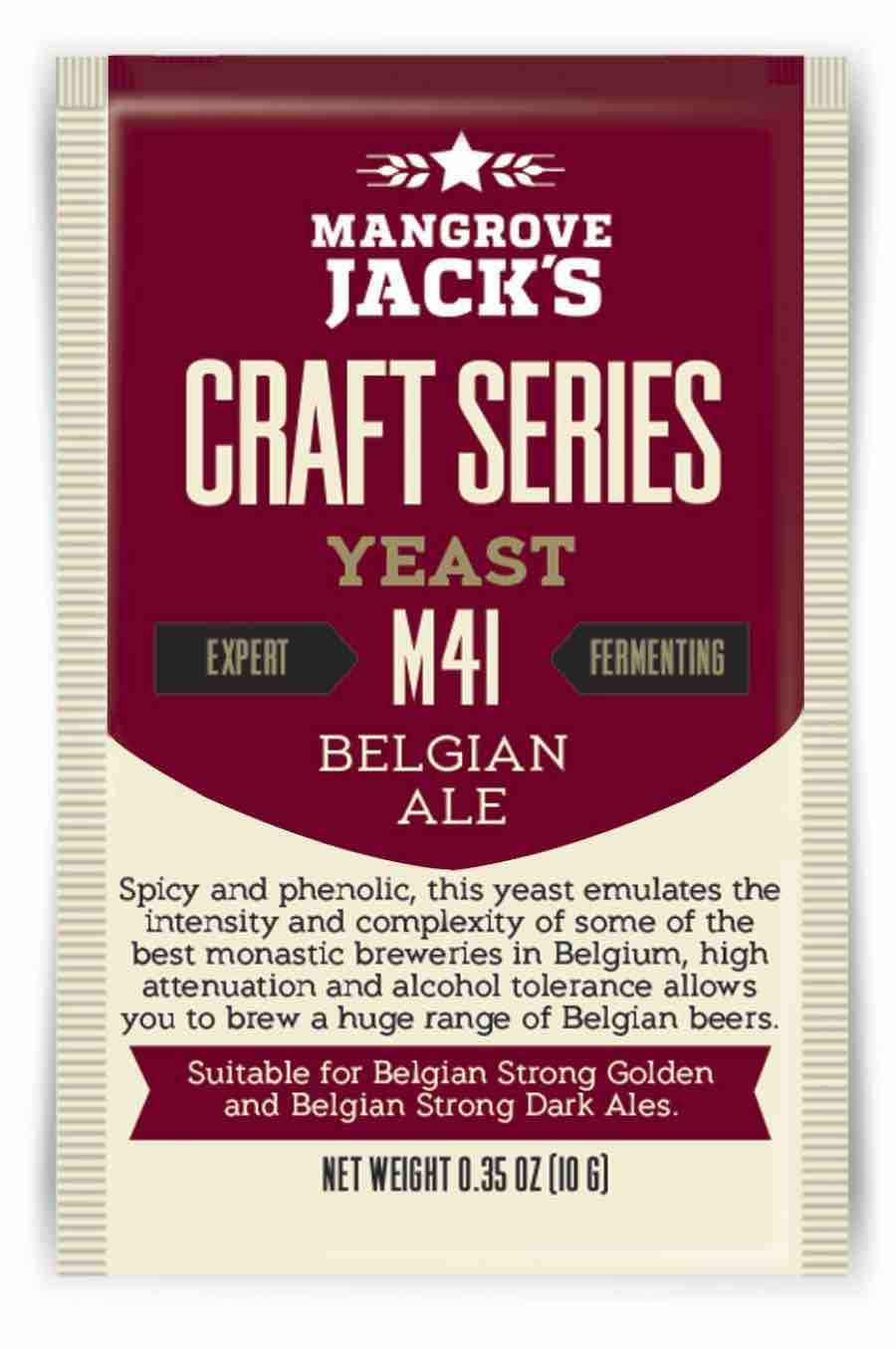
- Mangrove Jack's – Craft Series for beer, cider and mead.
- White Labs – fresh yeast in PurePitch packs.
- AEB Brewing – Fermoale and Fermolager.
- WHC Lab – dry yeast in 11 g.
- Omega Yeast – Lutra Kveik and hard seltzer nutrient.
- White Labs dry yeast – a separate page for this range.
Brewing on a larger scale? Dry yeast in 500 g, kveik in 300 g and bulk yeast nutrients are in yeast for breweries (Norway only).
Frequently asked questions about yeast
How much yeast do I need for 20 litres of beer?
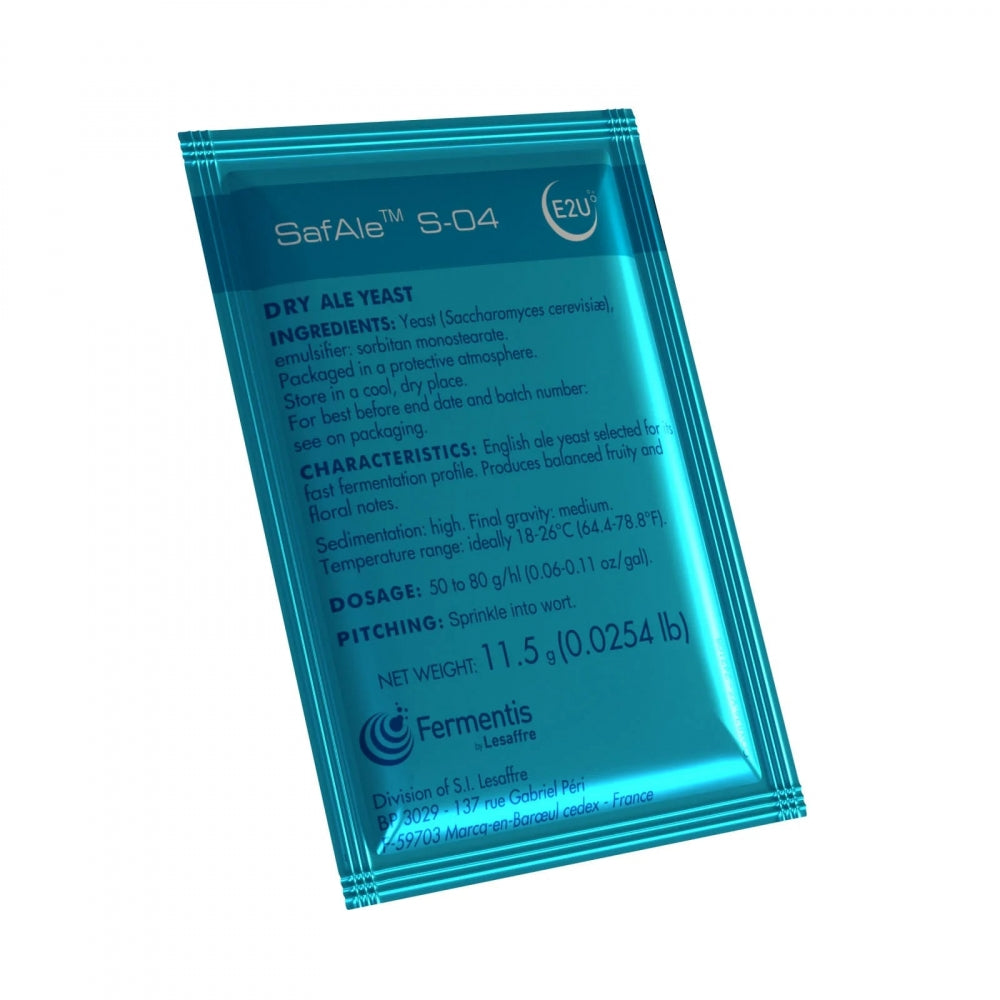
For most ales one sachet of dry yeast is enough. Fermentis recommends 50–80 g per 100 litres for SafAle US-05 and S-04, so one 11.5 g sachet covers about 15–23 litres. Lager yeast is pitched at a higher rate: Lallemand recommends 100–200 g per 100 litres for LalBrew Diamond Lager, so 20 litres needs two sachets.
Does dry yeast need to be rehydrated?
No, many dry yeast strains can be sprinkled directly onto the wort, and Mangrove Jack's recommends exactly that. Rehydrating in sterile water is an option for some strains. Follow the instructions on the pack or in the data sheet.
What is the difference between dry and fresh yeast?
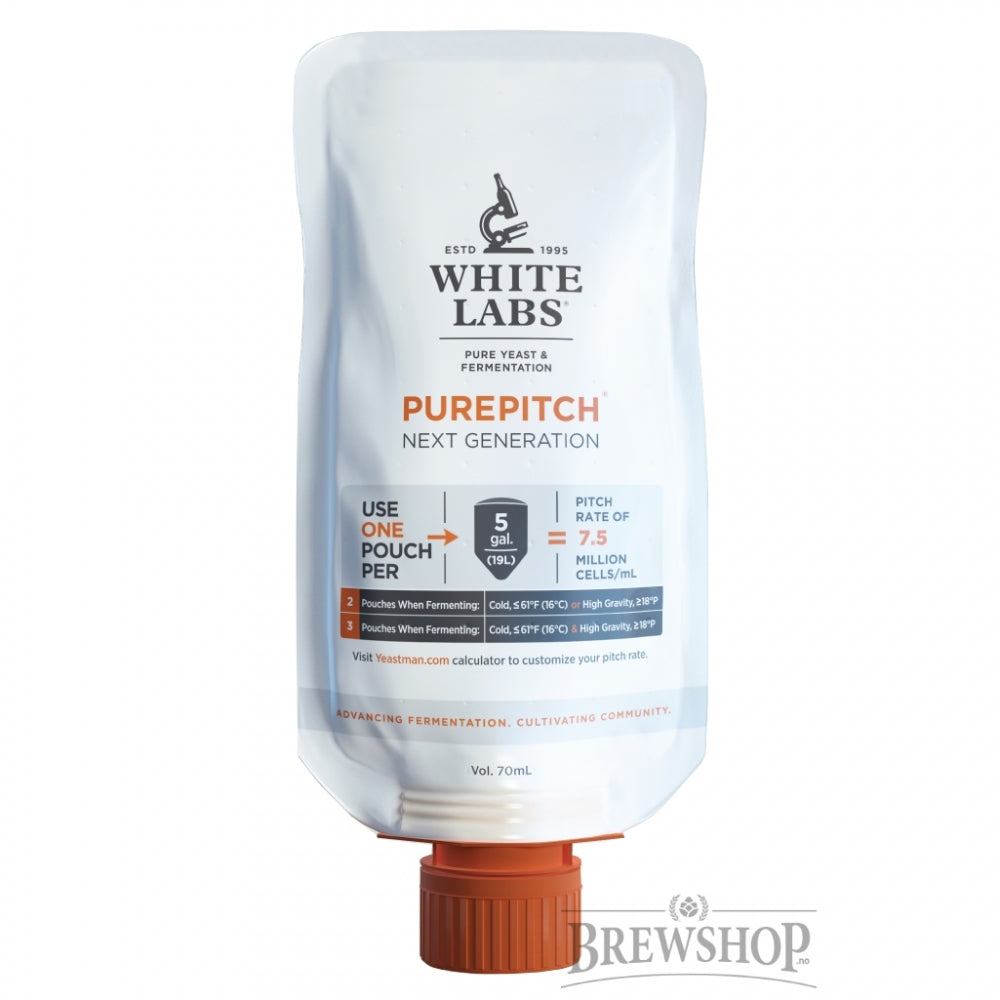
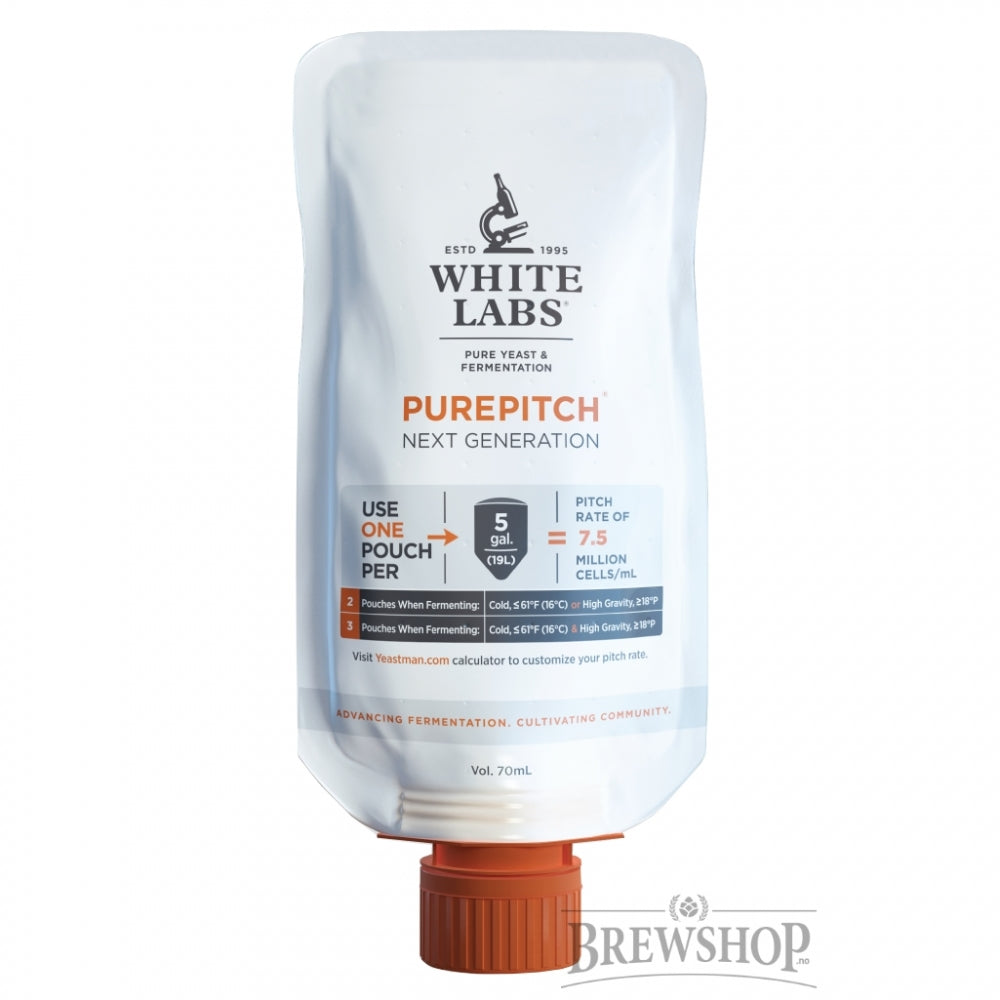
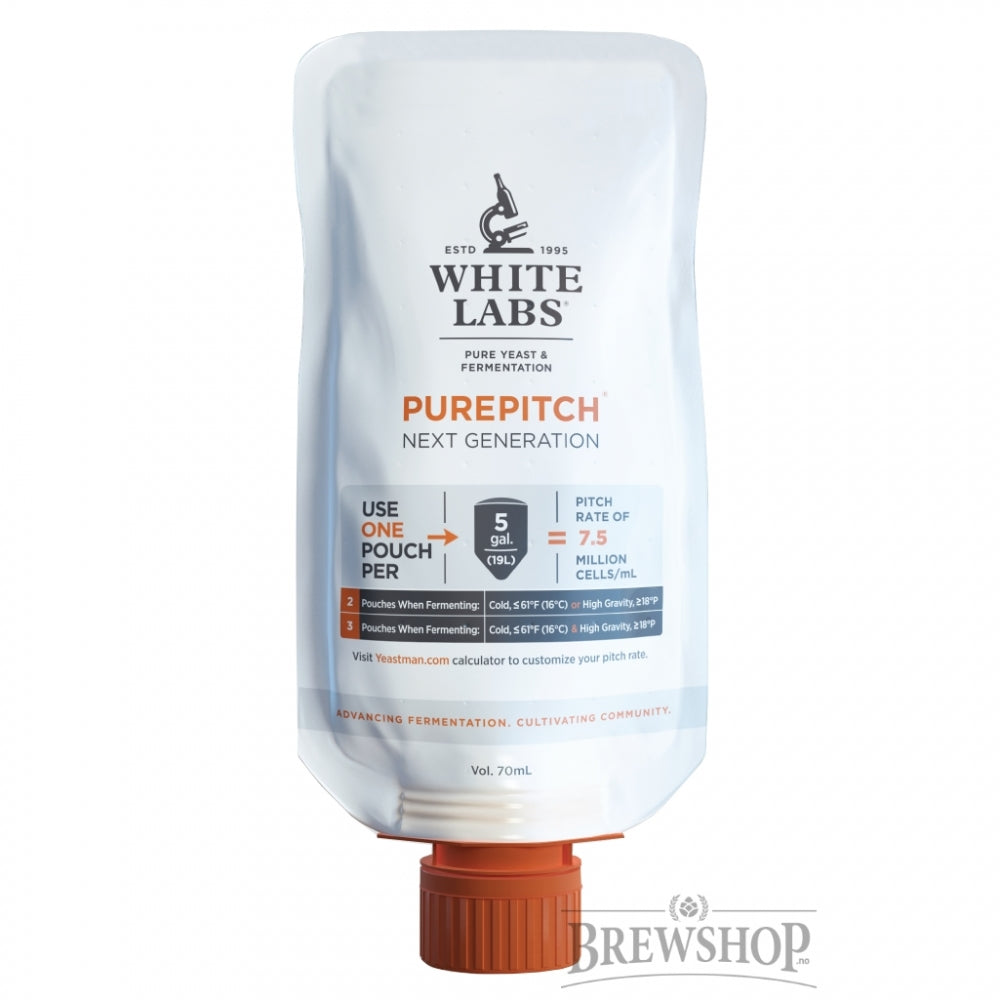
Dry yeast is dehydrated and keeps for a long time. Fresh yeast is live yeast in liquid that must be kept cold, but is available in more specialty strains. A 70 ml White Labs PurePitch Next Generation pack is sized for 20 litres of standard ale without a starter.
What is kveik?
Kveik is traditional Norwegian farmhouse yeast, often with several yeast strains in one culture. The cultures from Kveik Yeastery give the best and fastest results at 31–35 °C, which makes kveik practical when you have no cooling.
Do I need yeast nutrient?
Malt wort contains most of what yeast needs, but zinc is often a limiting factor. A nutrient such as Servomyces gives a more even fermentation, especially in strong beers and when re-pitching yeast. In mead, cider and hard seltzer nutrient matters more, because honey, fruit juice and sugar give the yeast little to live on.
Related
- Malt – base malt and specialty malt.
- Hops – hop pellets, cryo hops and more.
- All-grain beer kits – ingredient kits with recipe.
- Fermenting beer, wine and cider – fermenters and accessories.
- Fermentation temperature control – equipment to hold the right temperature.