Category
11 products
Showing 1 - 11 of 11 products
Vegetable Fermentation – equipment for sauerkraut and kimchi
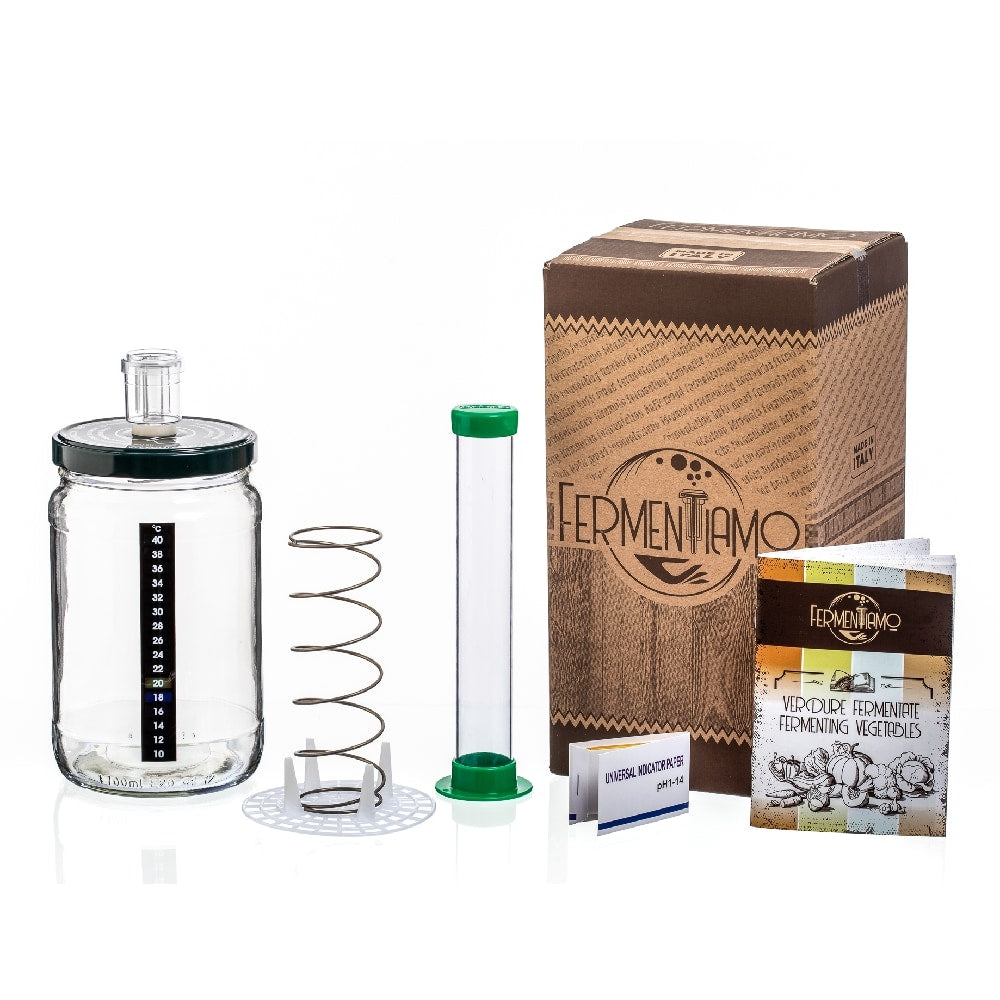
Equipment for fermenting vegetables at home: a complete fermentation kit from Enolandia, preserving jars of 580 ml, 1.7 litres and 3.1 litres, spare lids, a tamper and pH strips. It covers what you need to make sauerkraut, kimchi and other lacto-fermented vegetables, from your first jar to regular batches in the fridge.
How vegetable fermentation works
Fermenting vegetables is lactic acid fermentation. Lactic acid bacteria found naturally on the vegetables convert sugar into lactic acid when the vegetables sit in salt without access to air. The acid gives the sour flavour and preserves the vegetables. The salt holds back unwanted microbes and draws out liquid, so the vegetables make their own brine.
The key is keeping everything below the surface of the liquid. Vegetables exposed to air can go mouldy. That is why a press is used to hold them down, along with a lid with a valve that lets fermentation gas out without letting air in.
How to choose fermentation equipment
- Complete kit: The Enolandia vegetable fermentation kit includes a 1.7 litre jar, a spring with press, a mini valve with gasket, a stick-on thermometer, pH strips and instructions with recipes for sauerkraut, kimchi and more.
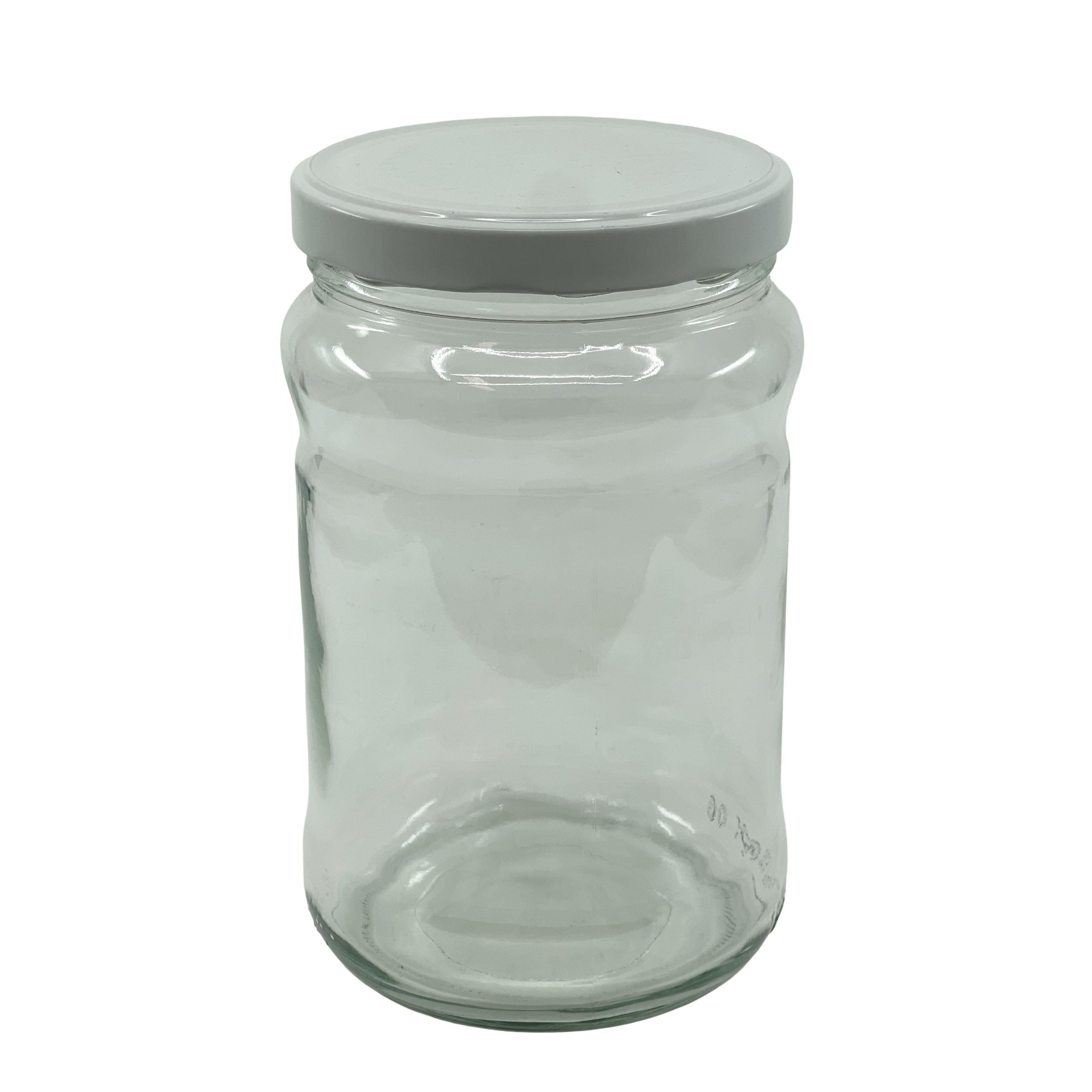
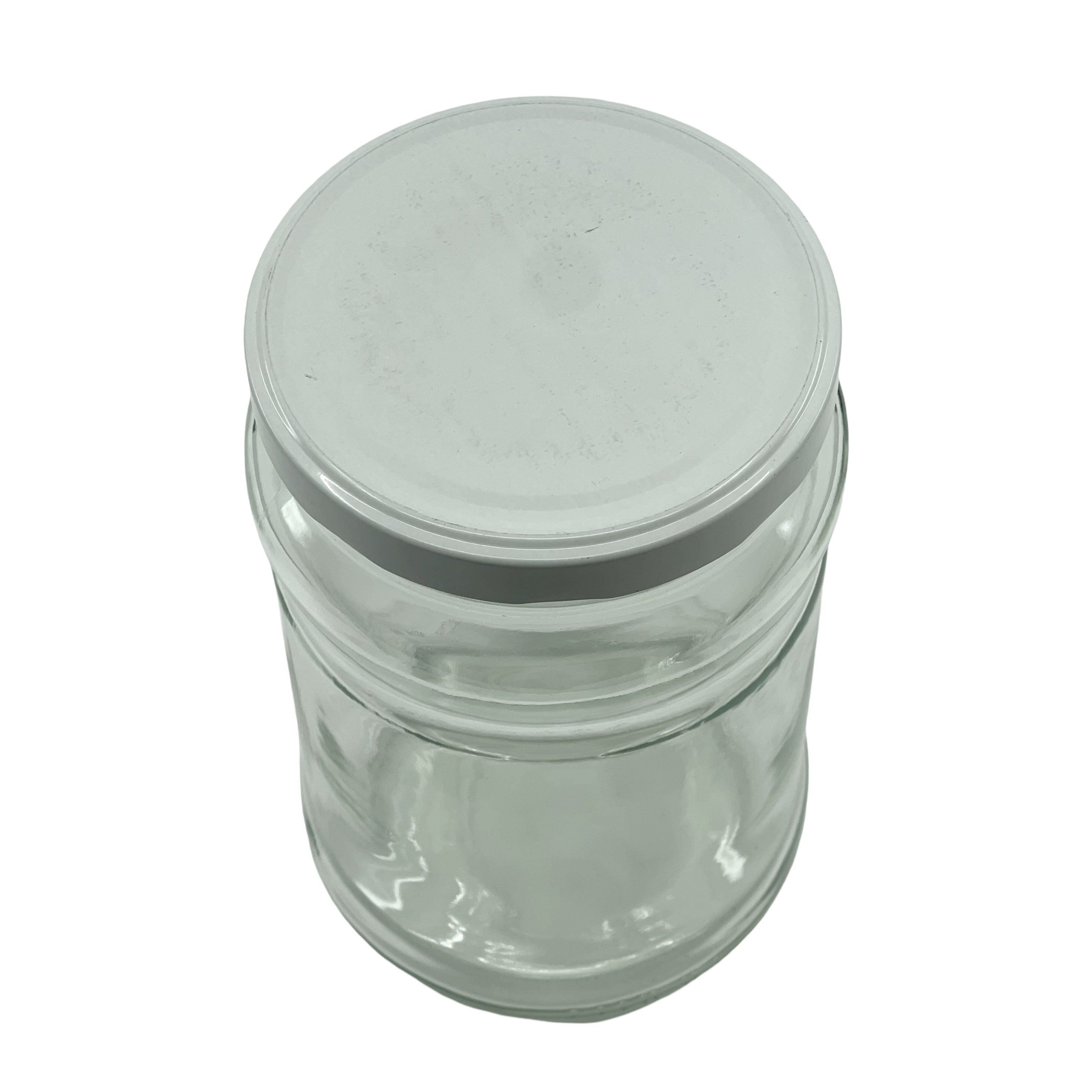
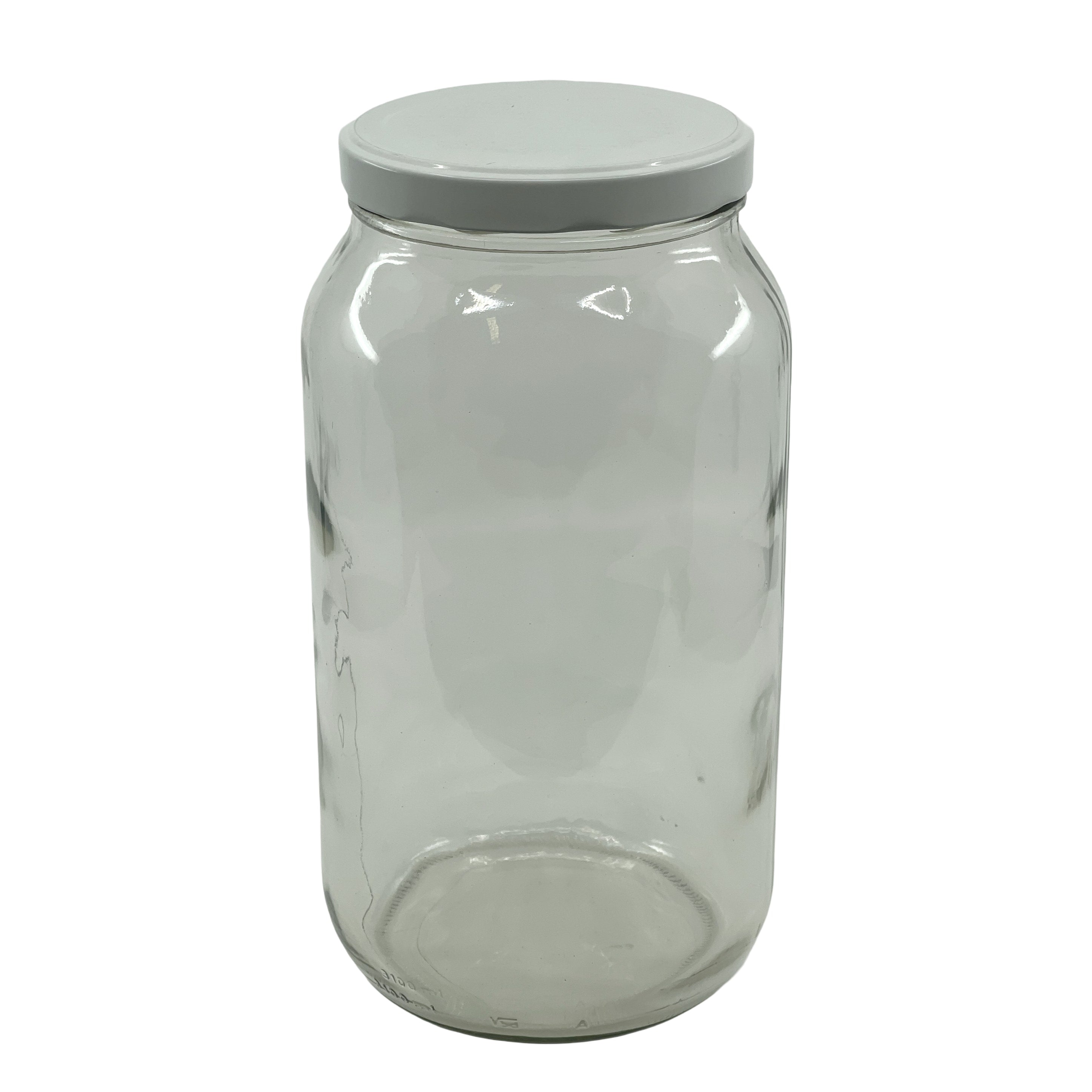
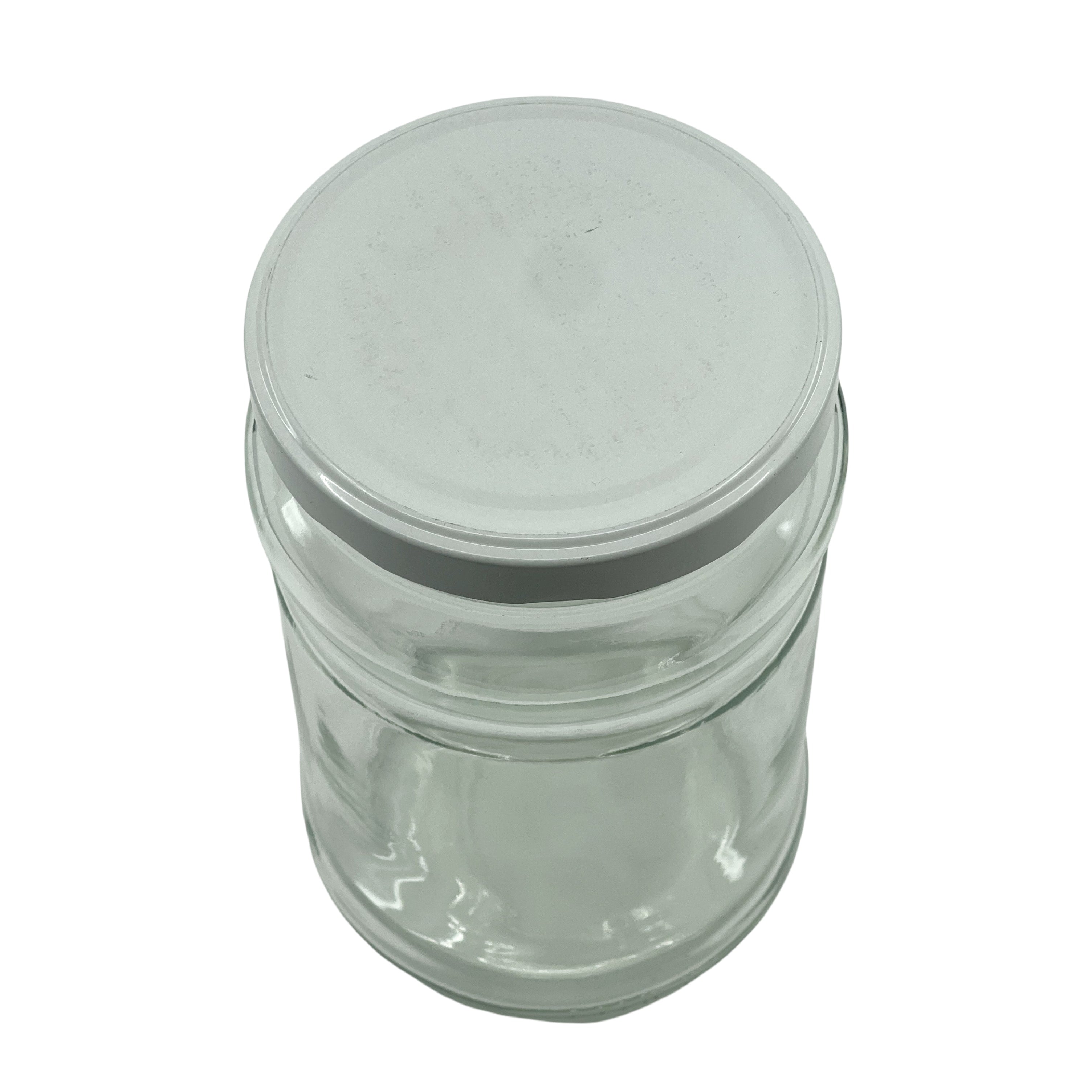
- Preserving jars: 580 ml, 1.7 litre and 3.1 litre jars with lids, for your own recipes and for storage after fermenting. Spare lids fit the 1.7 and 3.1 litre jars.
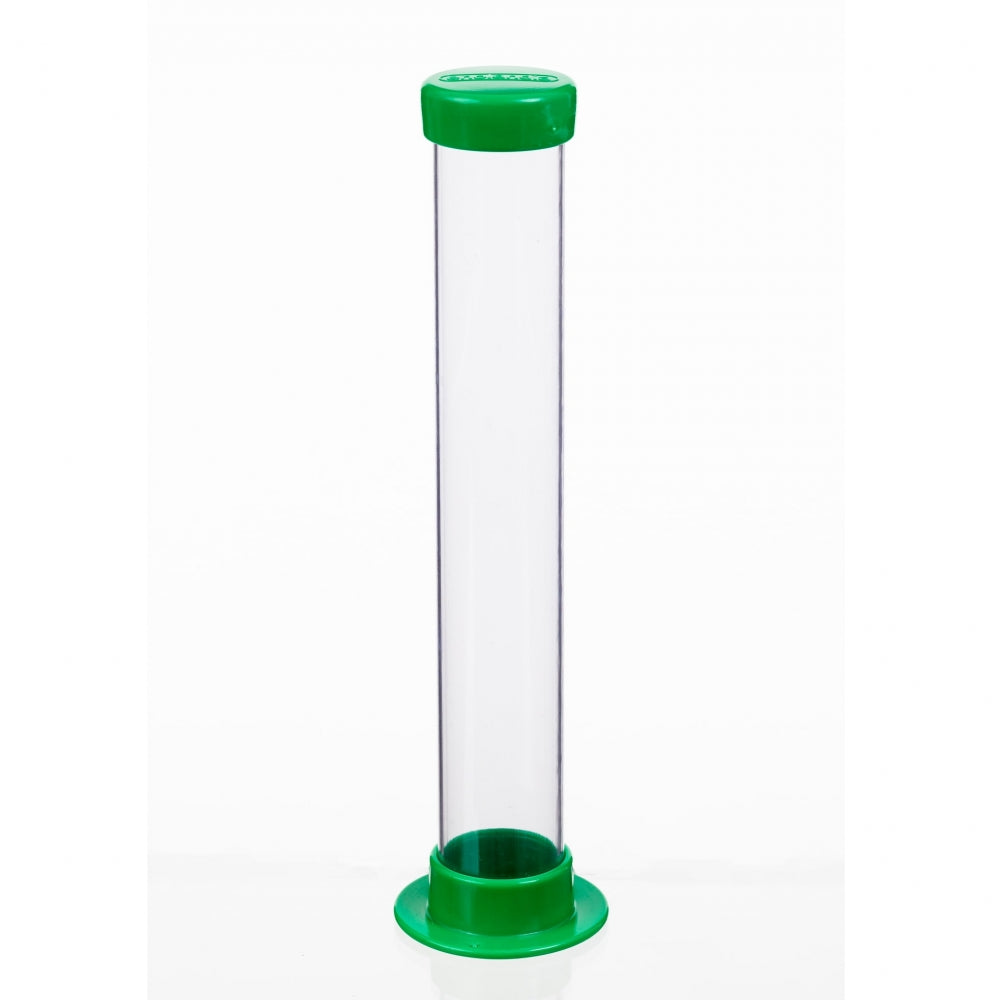
- Tamper: The tamper packs shredded cabbage and vegetables down firmly, drawing out liquid so everything ends up under the brine.
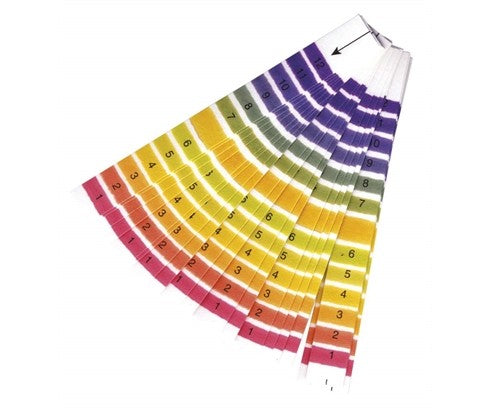
- pH strips: Universal pH strips from pH 1 to 12, 20 per pack, to check that the brine has soured.
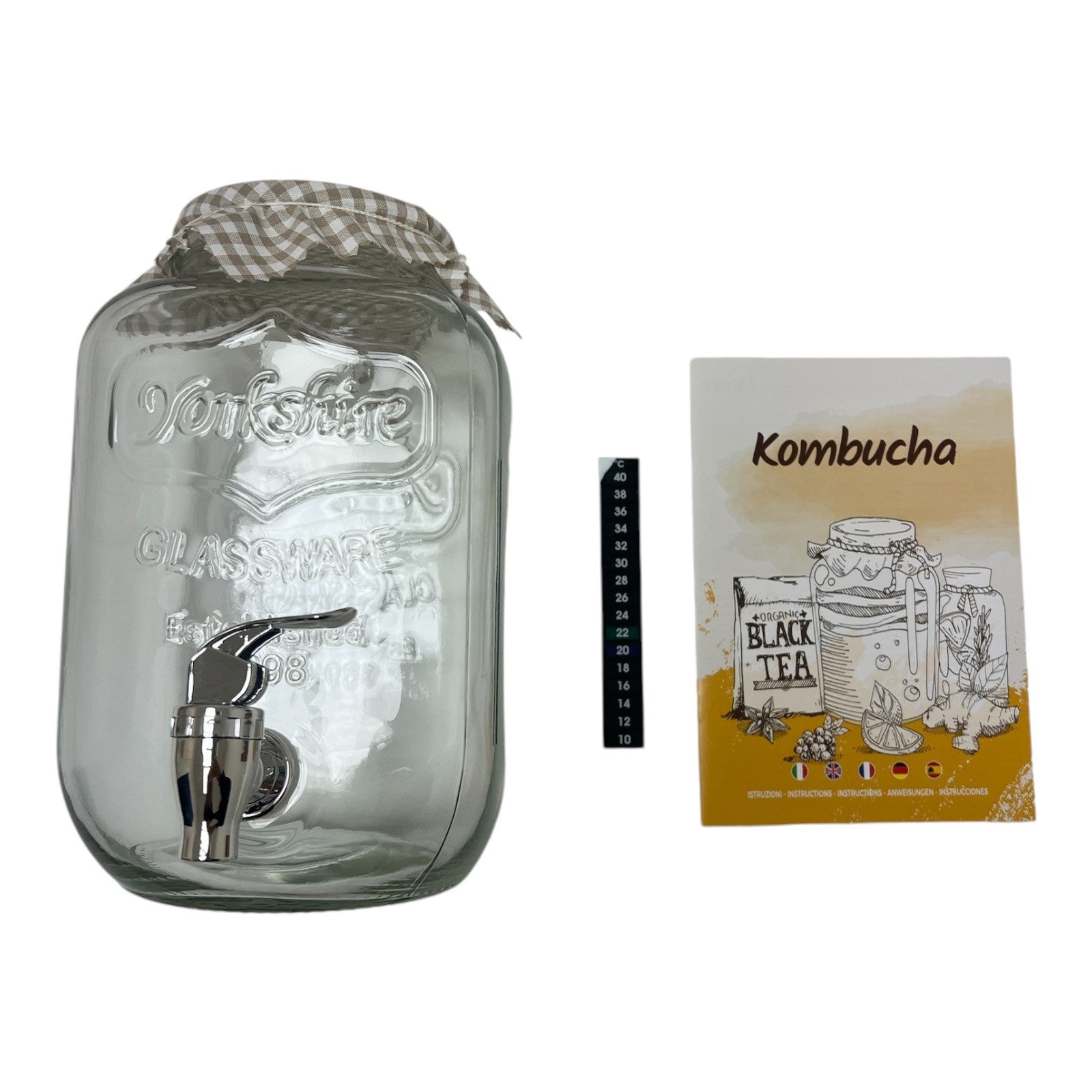
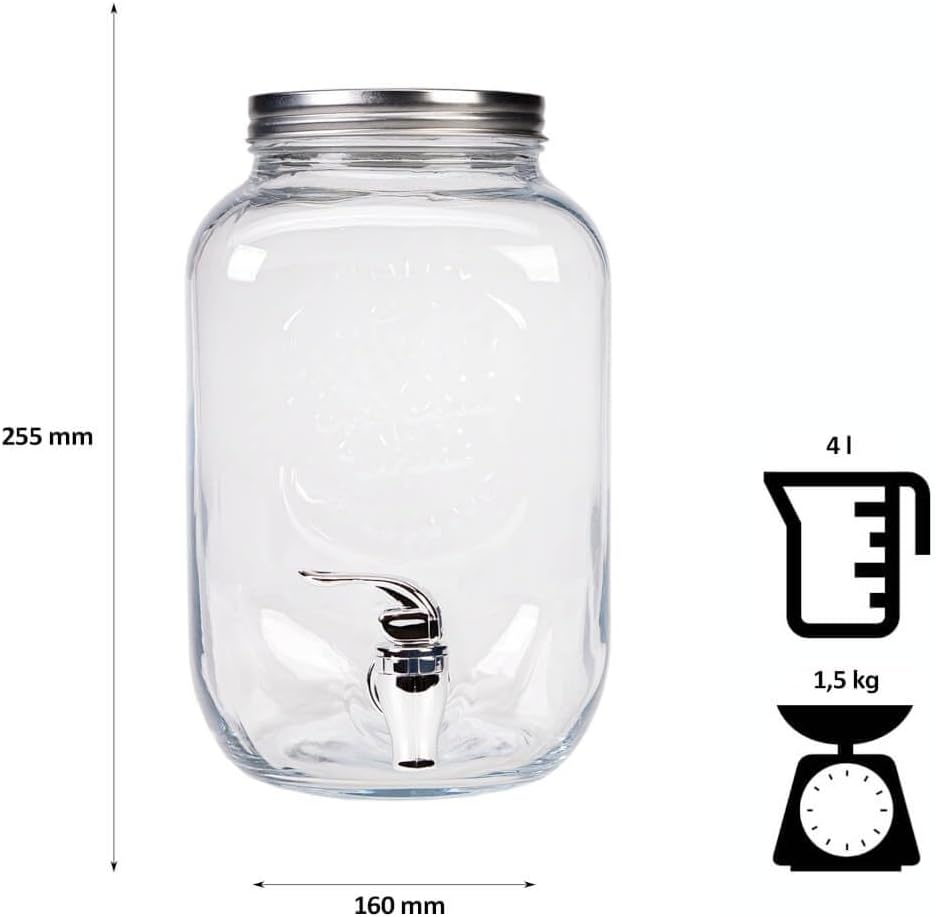
- Small-batch kombucha and mead: A 3.1 litre jar with mini airlock, and a 4 litre kombucha kit with tap for continuous brewing.
Fermentation jars
| Jar | Volume | Included |
|---|---|---|
| Preserving jar | 580 ml | Lid |
| Preserving jar | 1.7 litres | Lid |
| Preserving jar | 3.1 litres | Lid |
| Vegetable fermentation kit | 1.7 litres | Spring with press, mini valve, thermometer, pH strips |
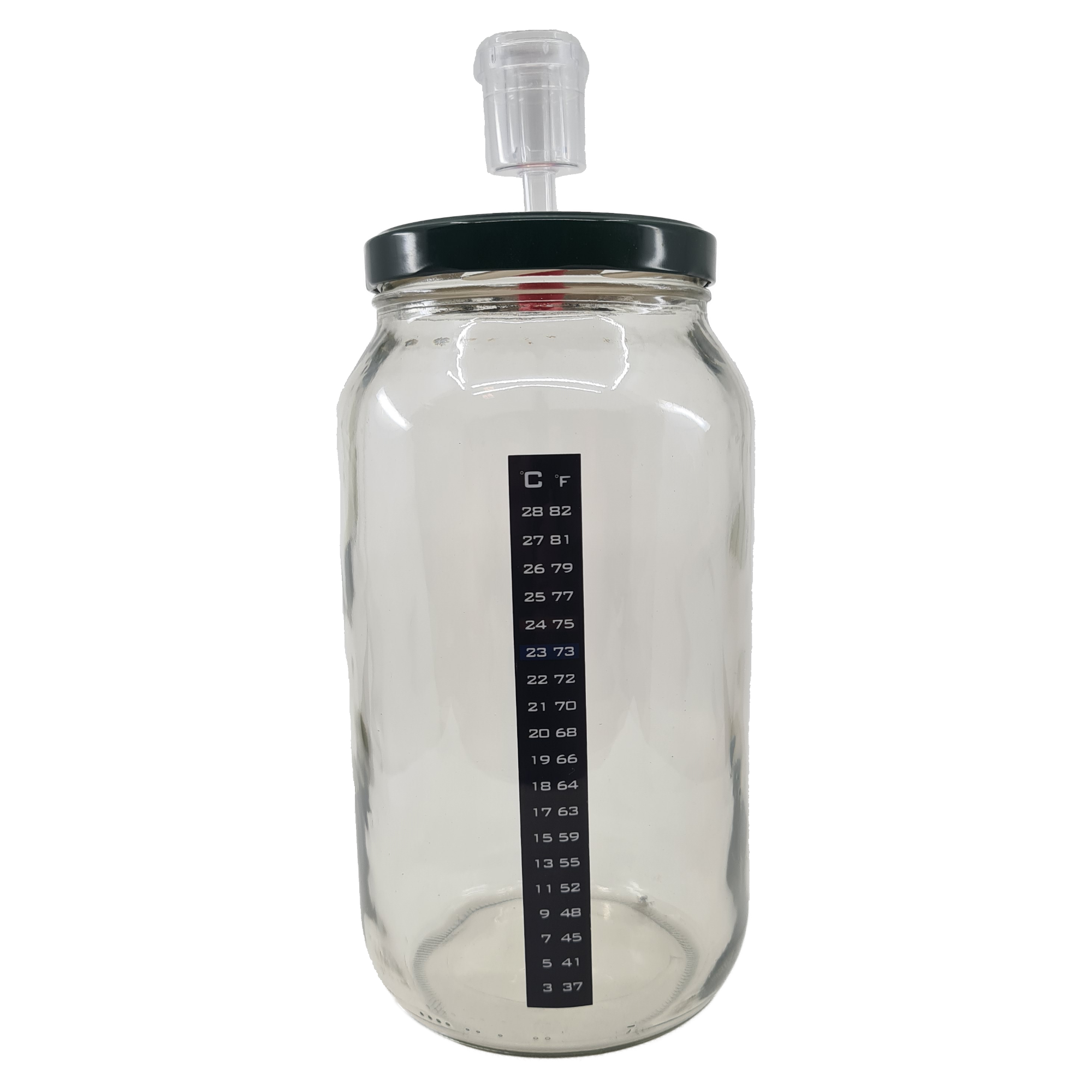
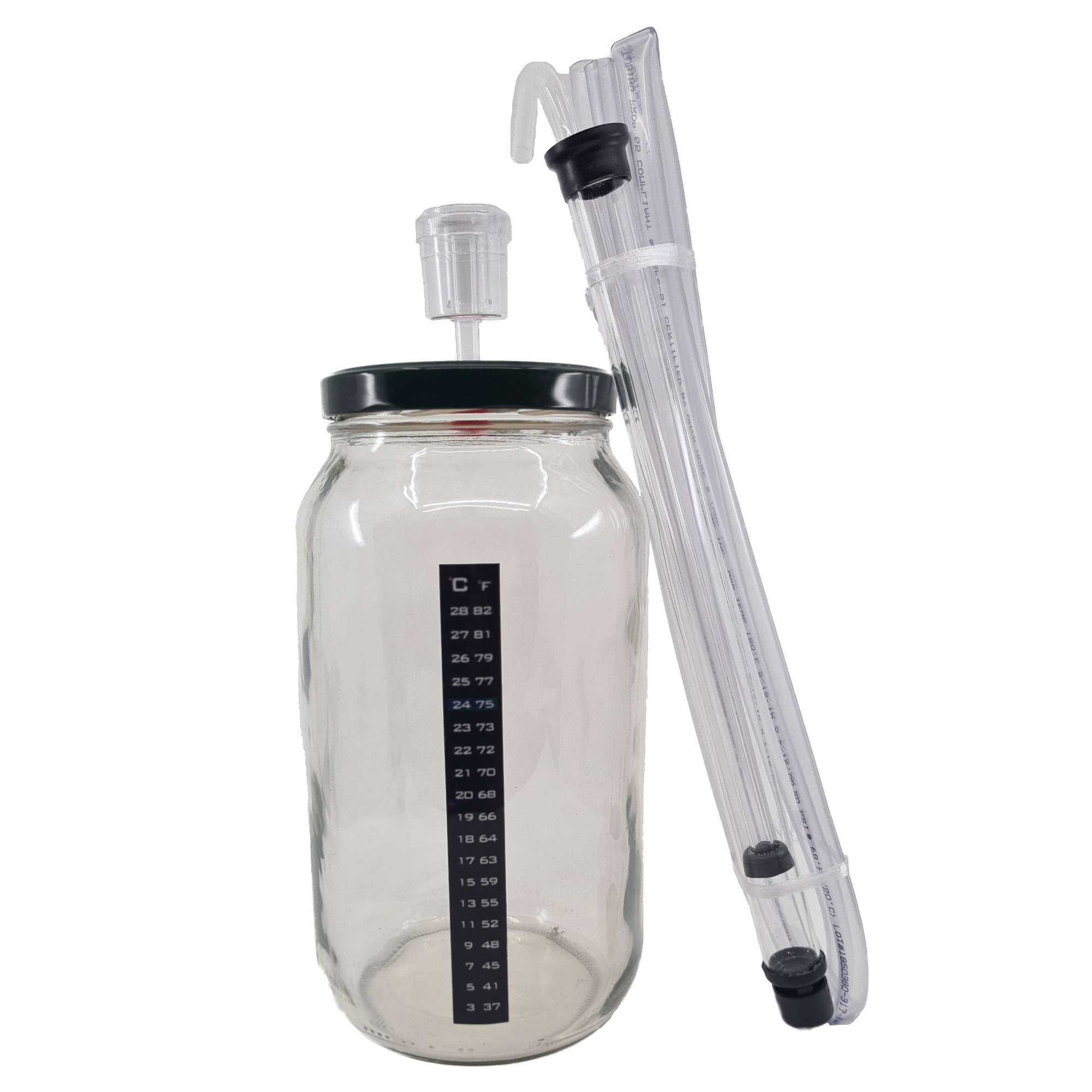
| Fermentation jar for mead, kombucha and kimchi | 3.1 litres | Mini airlock, thermometer |
| Kombucha brewing kit | 4 litres | Tap, thermometer, cloth cover with band |
Frequently asked questions about fermenting vegetables
How much salt do I need for sauerkraut?
The recipe in the Enolandia fermentation kit uses 20 grams of salt per kilo of white cabbage, which is 2 per cent. Shred the cabbage, mix it with the salt and press it firmly into the jar until the liquid covers it.
How long should sauerkraut ferment?
The recipe in the kit gives 1–2 weeks at room temperature. Taste as you go. When it is as sour as you like, move the jar somewhere cold and fermentation slows right down.
Why do the vegetables need to stay under the brine?
Lactic acid bacteria manage without air, while mould needs oxygen. Vegetables sitting above the brine can therefore go mouldy. A spring press or a tamper helps you keep everything submerged.
Do I need to measure pH when fermenting?
It is not essential, but pH strips give a simple check that the brine has soured. Fully fermented vegetables are normally well below pH 4.6. Paper strips are less precise than a digital pH meter.
Can I ferment in an ordinary preserving jar?
Yes. Without a valve, fermentation gas builds up in the jar, so loosen the lid now and then to let it out. A jar with a valve or airlock does this for you.
Related products
- Mead – mead kits, honey and mead yeast.
- Cheesemaking – cultures and equipment for homemade cheese.
- Measuring and lab equipment – pH meters, hydrometers and thermometers.
- Enolandia – the full range from the maker of the fermentation jars.