
Advice and tips on homebrewing
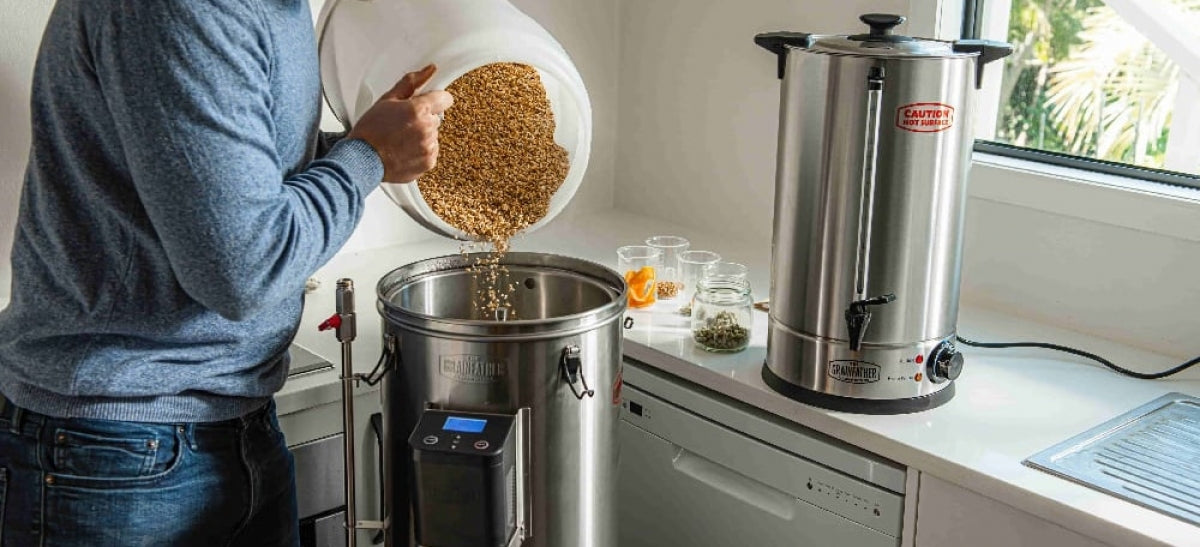
Brewing methods and brewing machines
Extract kits, malt extract, partial mash, BIAB, brewing machines, HERMS and RIMS can be confusing terms for new brewers. Here we go through how each method works and what sets them apart.
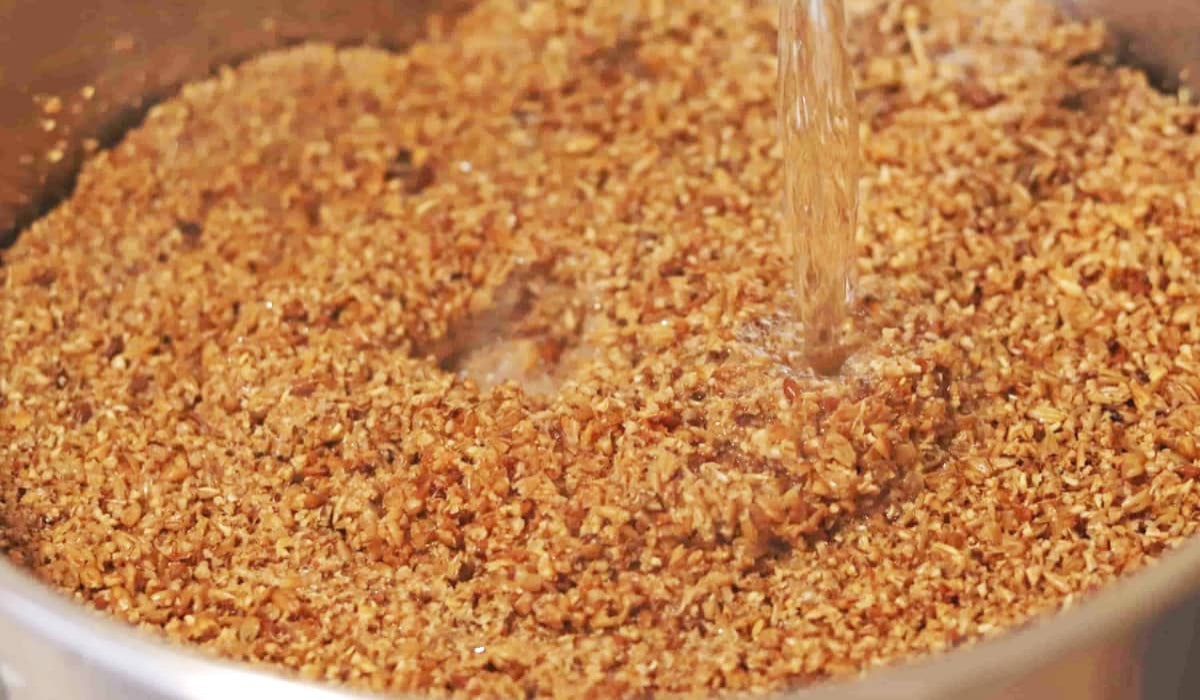
Double mashing
Double mashing lets you brew big beers such as imperial stout and barley wine without an overfilled malt pipe. Here are two methods, plus shortcuts with spray malt and a half batch.
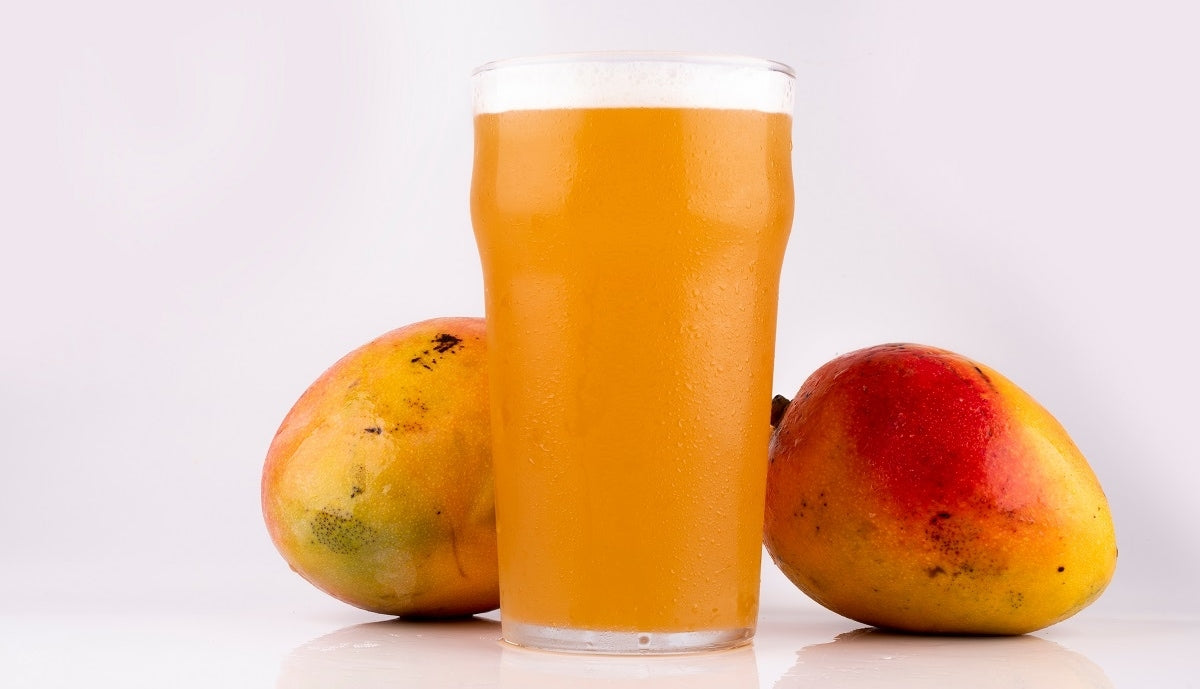
Brewing beer with fruit
Fruit can lift a beer, but the water, sugar and acid in the fruit determine how much you need and when it goes in. Here are quantities, how to treat fresh fruit, purée and essences, and the right timing.

Beer oxidation and how to avoid it
Oxidised beer turns browner and tastes of wet cardboard, and hop-forward beers such as NEIPA are most at risk. Here is where the oxygen gets in, and how to do a closed transfer to a keg, even from a regular fermenting bucket.
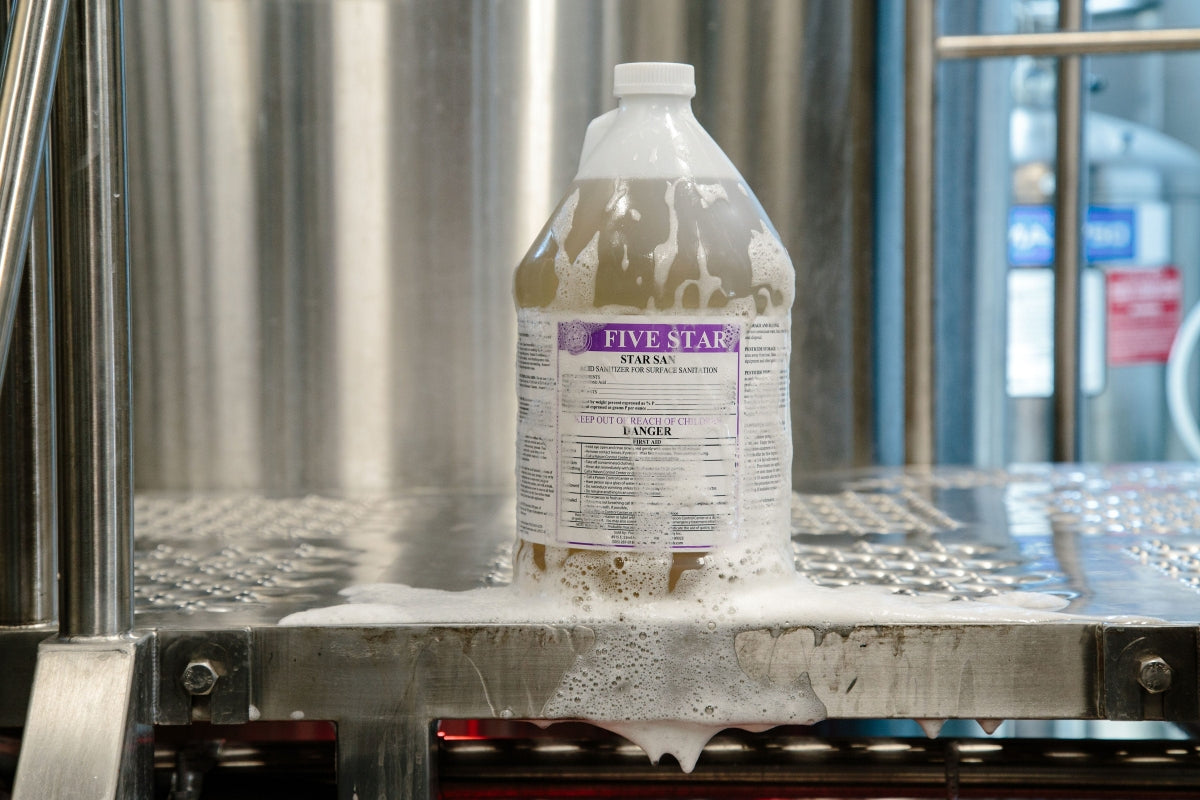
Cleaning and sanitising brewing equipment
Good hygiene is the most important way to avoid off-flavours and sour beer. Here is the difference between cleaners and sanitisers, and how to clean fermenters, kegs, bottles and beer lines.

Brewing beer with kveik
Kveik is Norwegian farmhouse yeast that ferments at 35–40°C and can be finished in two to three days. Here is how to ferment, dry hop and look after kveik, and which types are available.
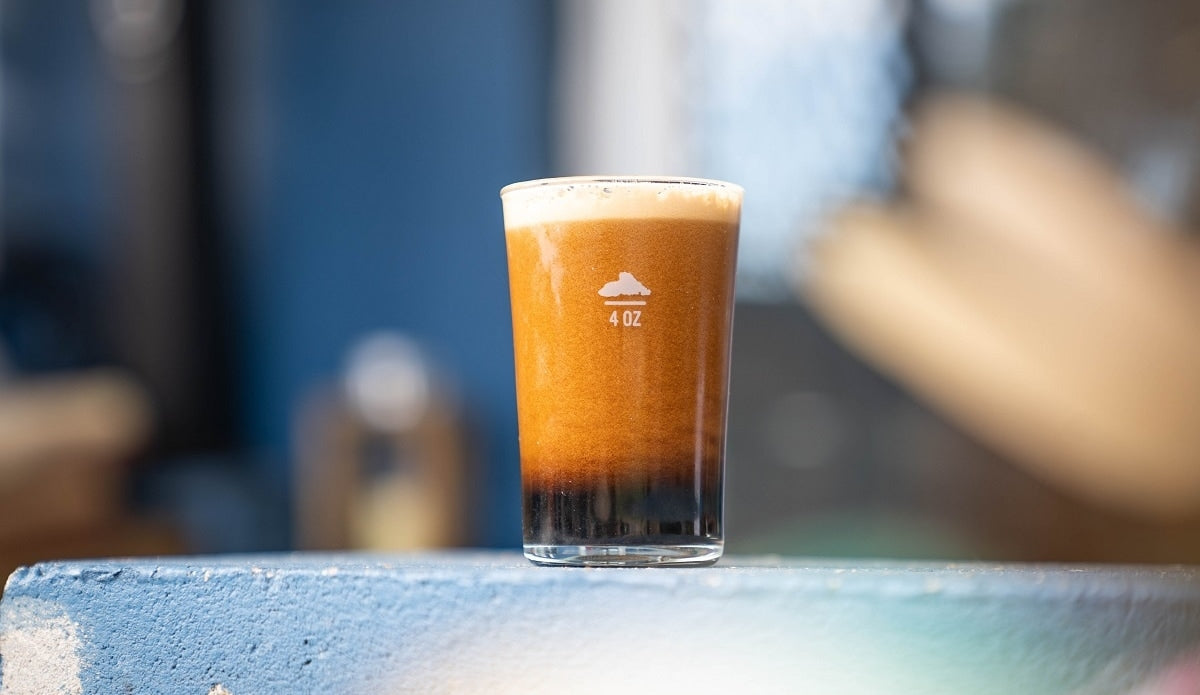
Beer Gas for dispensing beer from a keg
Beer gas is the blend of nitrogen and CO2 that gives stout its velvety, thick head. Here is how to use beer gas cartridges, a regulator and the right tap at home.
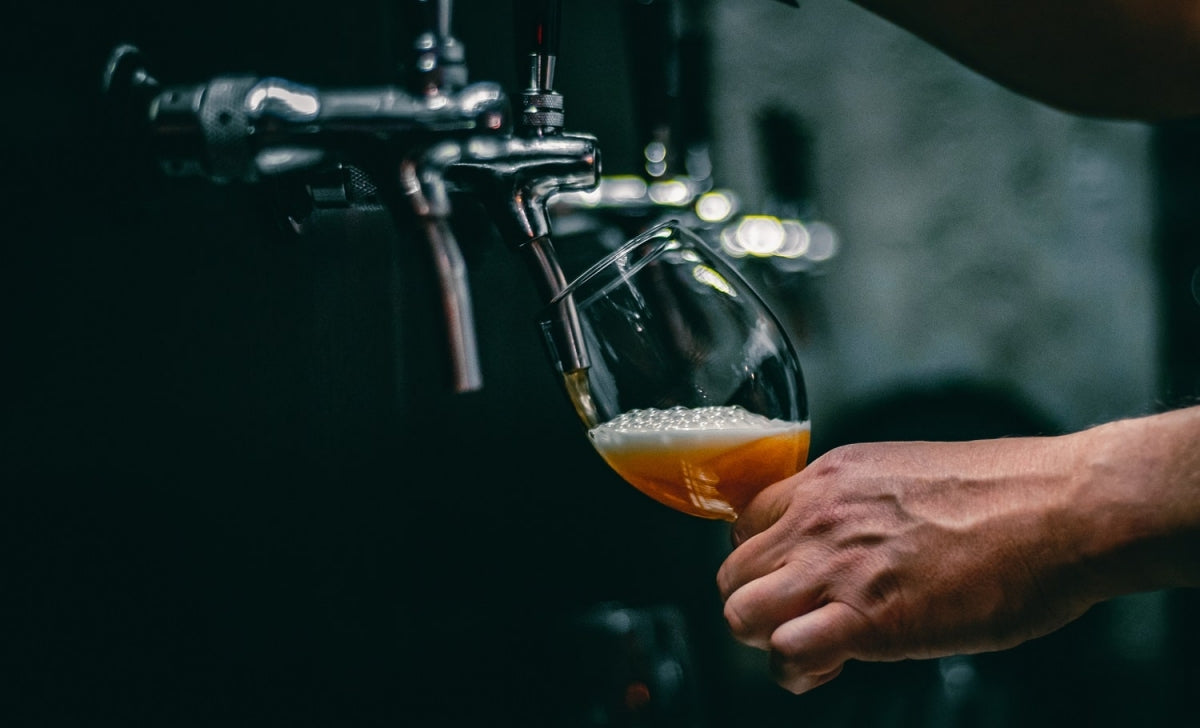
Serving beer from a keg
Picnic tap, beer tower, kegerator or Lindr? Here are the ways to serve homebrewed beer from a keg, how to solve foam problems and how to clean your beer lines.
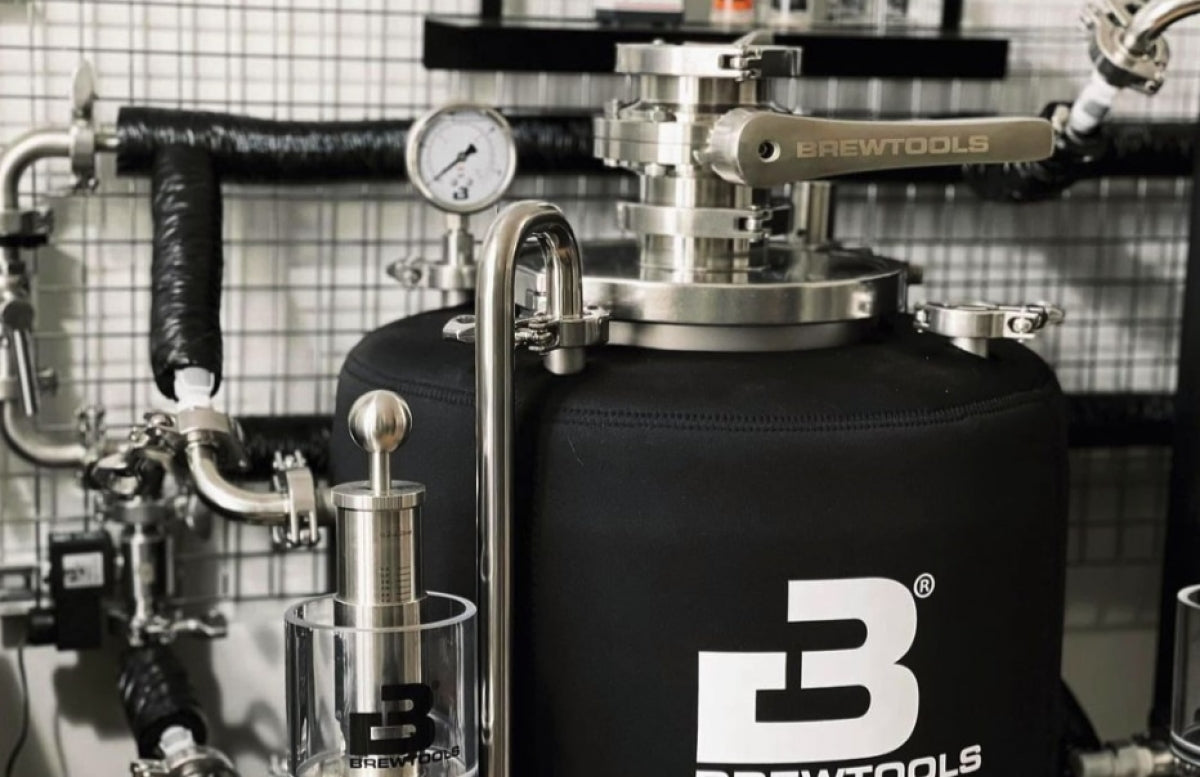
Pressure fermentation
Pressure fermentation suppresses esters and off-flavours, keeps oxygen out and lets you serve fully carbonated beer straight from the tank. Here are the pros, cons, equipment and what pressure to ferment at.
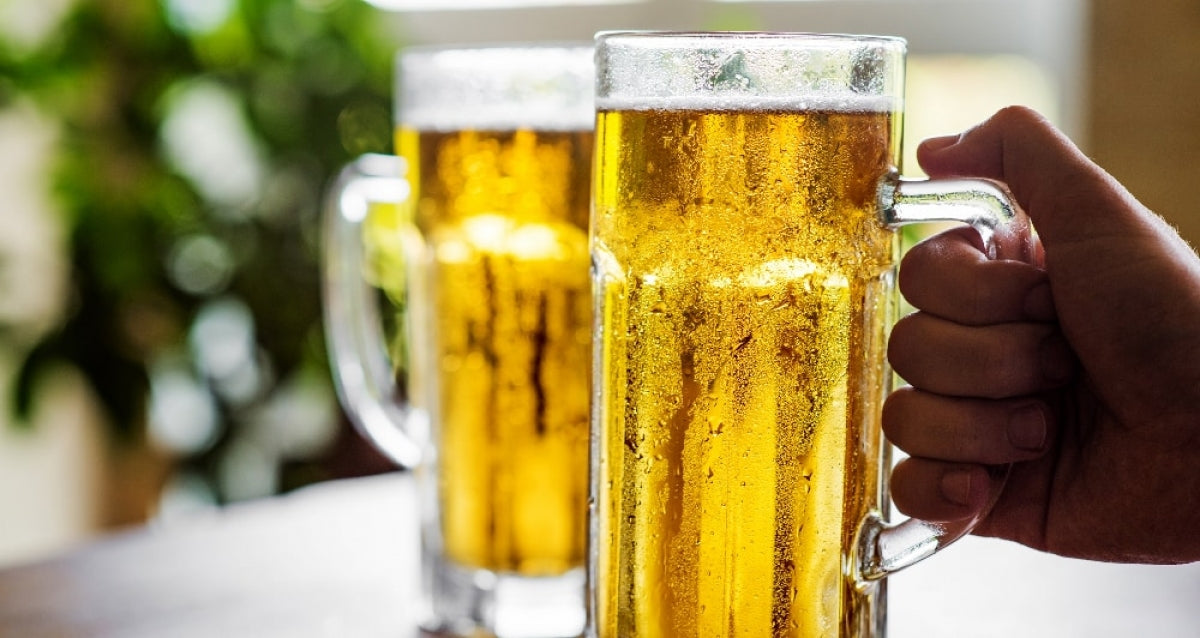
Cold crashing beer
Cold crashing means chilling the beer quickly towards the end of fermentation, so yeast, hops and proteins settle at the bottom. Here are the temperature, time, benefits and how to avoid suckback.
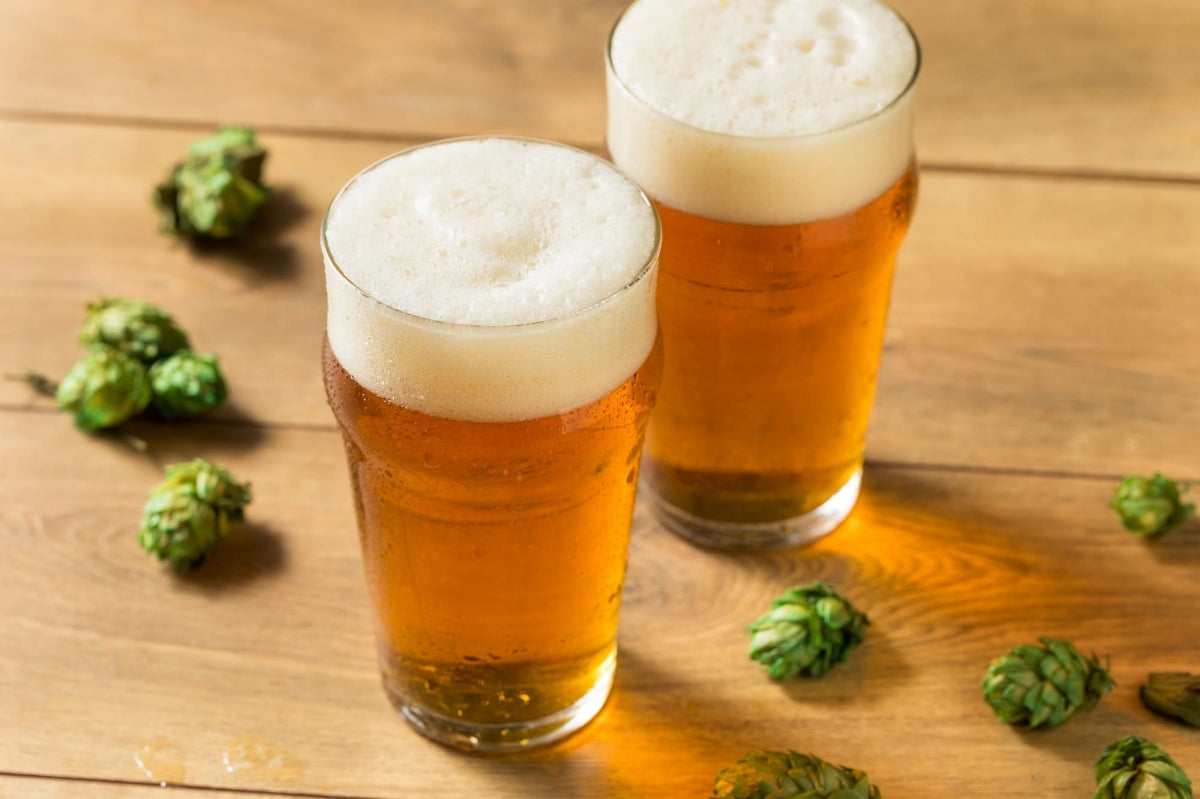
Cold IPA
Cold IPA combines the malt base and yeast of a pilsner with the bitterness of West Coast IPA and fruity hop flavours. Here we go through the malt, hops, yeast and fermentation for the style.
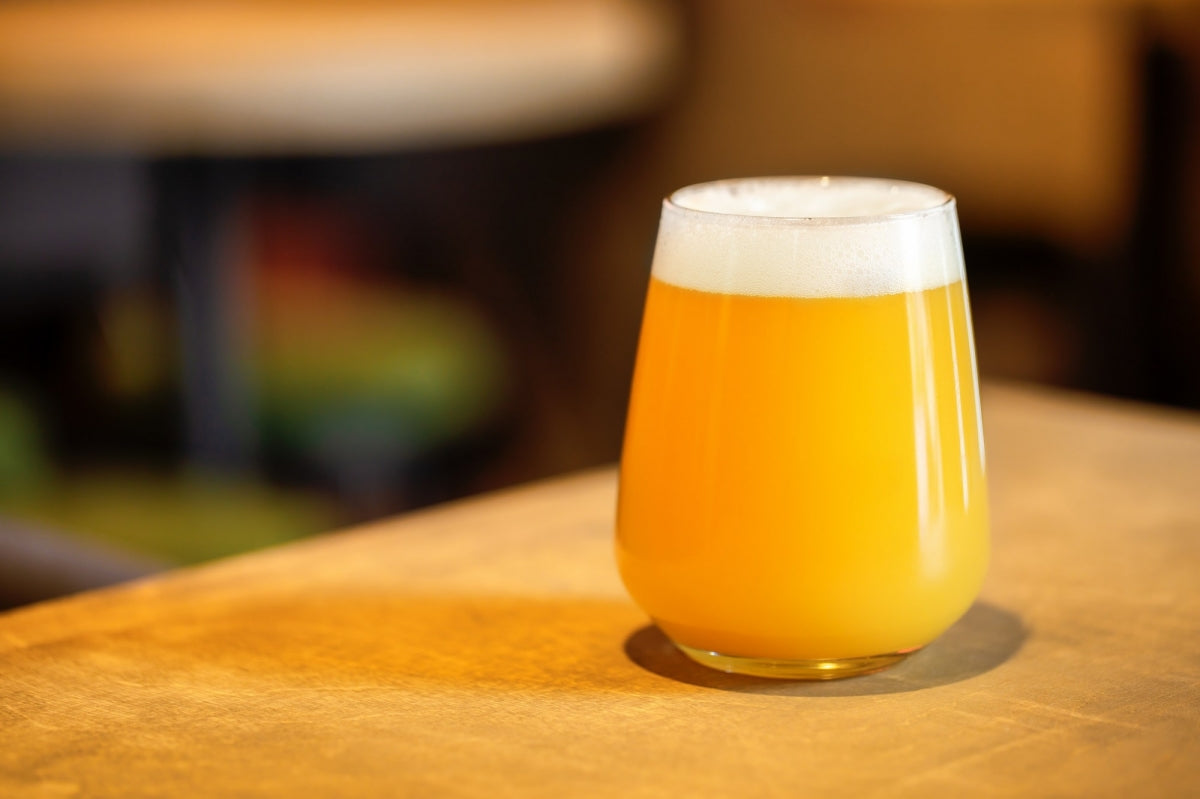
New England IPA
New England IPA is a hazy, velvety IPA with low bitterness and big flavours of tropical fruit and citrus. Here are the malt, hops, yeast and water profile, and how to keep the beer from oxidising.