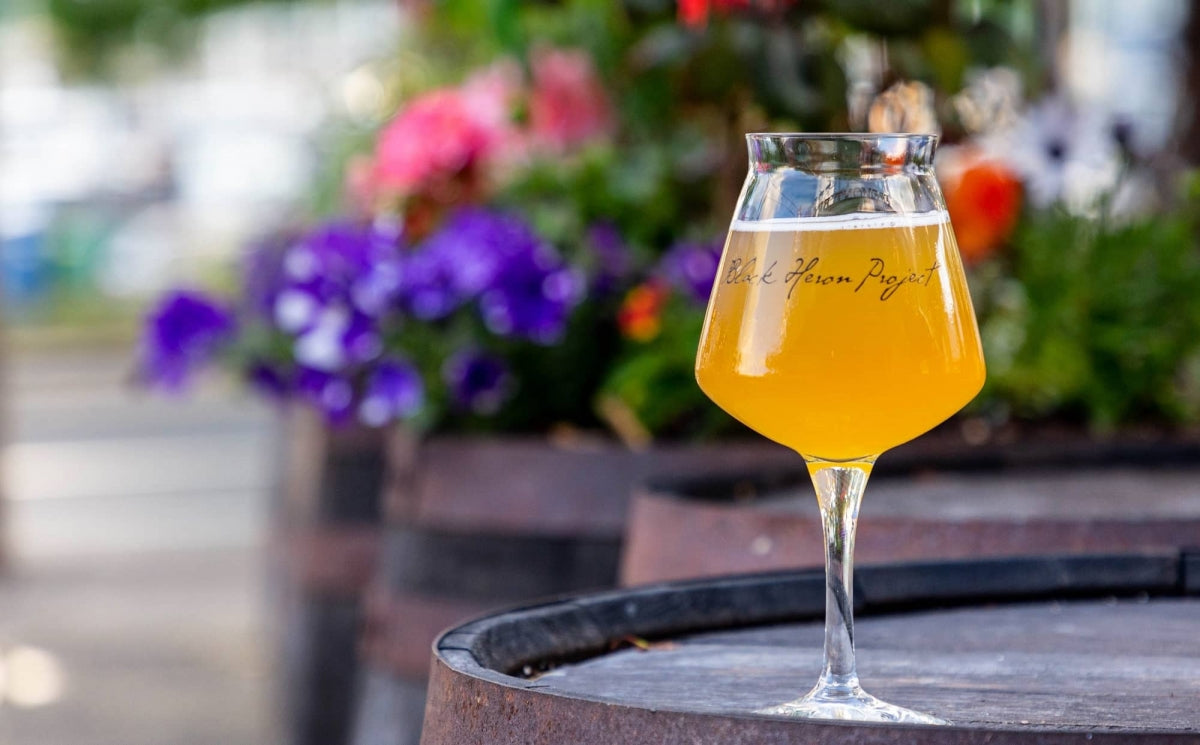
Saison (French for season) was originally a thirst-quencher given to seasonal workers on farms in Belgium, mainly in the Wallonia region. Because of a lack of clean water, beer was brewed as a safer alternative so that the workers had access to enough fluid. Since they were entitled to up to five litres of beer every working day, the beer style had to be fresh and refreshing, and could not have a high alcohol content. The beer was probably around 3–4%. Although at the time Saison was the common name for the style, the actual beer could vary from farm to farm. Several of these are known today as styles in their own right, such as bière de garde (malt-driven, cold-conditioned over time with lager character), or grisette (very low alcohol, often tart).
Today the style is a little different, and not least more defined. A modern saison is often up towards 7%, and can be a bit more spicy or even hoppy. The style should be complex and dry, yet fresh and relatively easy-drinking.
Ingredients for brewing Saison
Malt:
A true-to-style saison should not primarily be malt-driven, but should have a relatively light malt character giving flavours of grain, bread, perhaps a hint of caramel. Here you can happily use just pilsner or pale malt as the base, and possibly a little caramel malt if you like. A small portion of wheat is not unusual either.
It is also not unusual to replace part of the malt base with candi sugar, both to increase the alcohol content and to give the finished beer a dry character. Take a look at, for example, Simplicity Candi Syrup, which also adds a hint of honey. Saison is also a beer style that can go well with a little fruit, such as raspberry or mango. All in balanced amounts, of course.
Hops:
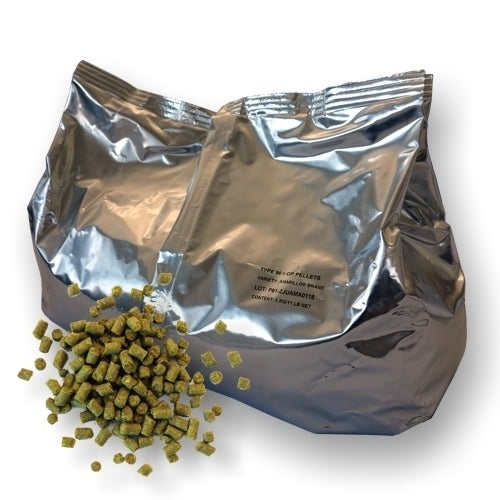
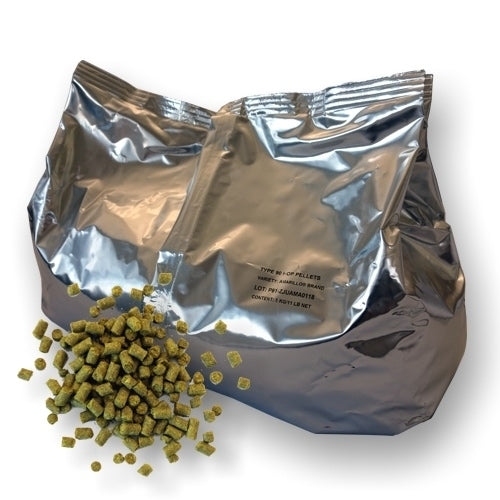
Traditionally a saison should be relatively bitter, but the hop character should not dominate the flavours. Traditional noble hops are often used, such as Tettnang, Saaz, or even English Fuggle or East Kent Golding. Even so, a saison with the right balance can handle some fresher hop varieties as well. Nelson Sauvin, for example, is a popular choice, or perhaps something a little more unusual and less known such as Pacific Jade, Mandarina Bavaria, or even the Japanese Sorachi Ace. There is plenty of room to experiment here, although the key word is still balance.
Yeast:
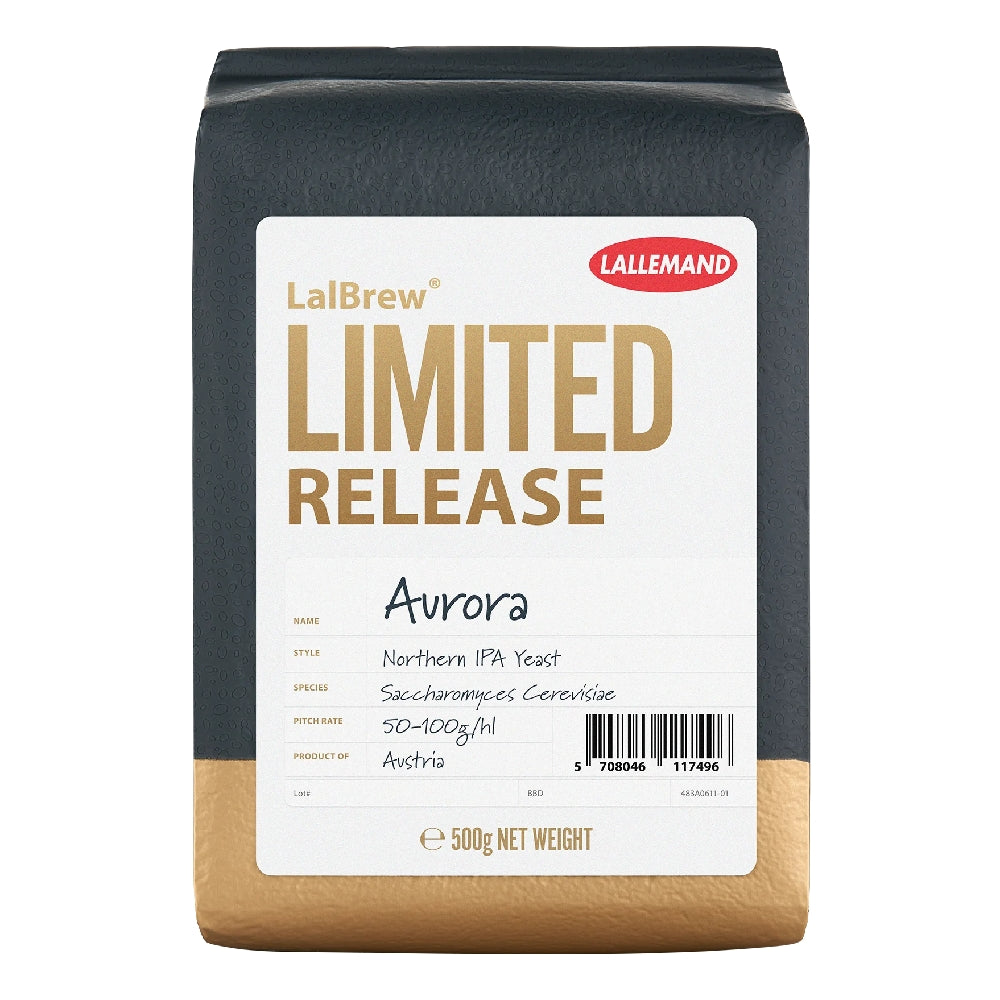
The yeast is the big star, and it is what gives this beer style its characteristic flavour. Here we can bring out flavours ranging from pineapple, apricot, banana and orange all the way to spicy notes such as clove, pepper, vanilla or coriander. The range of Belgian saison yeasts is enormous, and it is best to read up a little on the different yeast types and experiment to find what you like best yourself. Also remember that the fermentation temperature of saison yeast can give different flavours too!
If we are to highlight some personal favourites, Lalbrew Farmhouse Hybrid Saison or Fermentis BE-134 can be recommended as good options among dry yeasts.
WLP565 and WLP566 are good, safe choices as liquid yeast, but Bootleg Biology's Saison Parfait is also a more exciting alternative.
Feel free to check out our all-grain beer kit Summer Saison, which is a classic example of the style.

The brewing process itself is in most cases fairly straightforward. It is during fermentation, however, that the magic really happens, and that is also where changes can make the big difference. The vast majority of saison yeasts do best at high temperatures. For M29, for example, fermentation at between 26 and 32 degrees is recommended.
In short, higher fermentation temperatures will bring out much more flavour from the yeast. A saison fermented at 30 degrees will have intense flavours of phenols (spice), while one fermented at 20 degrees will be considerably more subdued, and perhaps more easy-drinking. This is entirely up to the brewer and the result they want.
Because of the wide range of temperatures and flavours, saison is a beer style that can be a good fit for newly converted homebrewers, or for brewers who do not yet have full control of their fermentation temperature. Saison is a simple beer style at heart, but to truly master it, it is first and foremost about the balance between malt, yeast and hops.