
Advice and tips on homebrewing
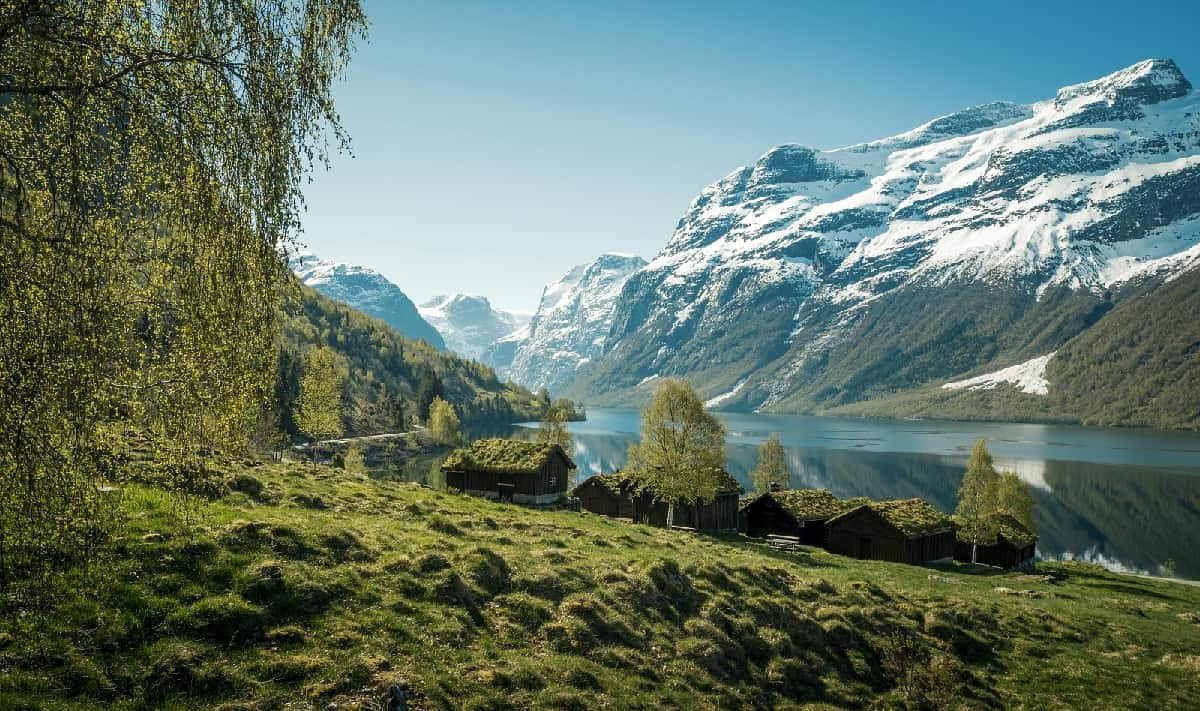
Brewing beer with kveik
Kveik is Norwegian farmhouse yeast that ferments at 35–40°C and can be finished in two to three days. Here is how to ferment, dry hop and look after kveik, and which types are available.
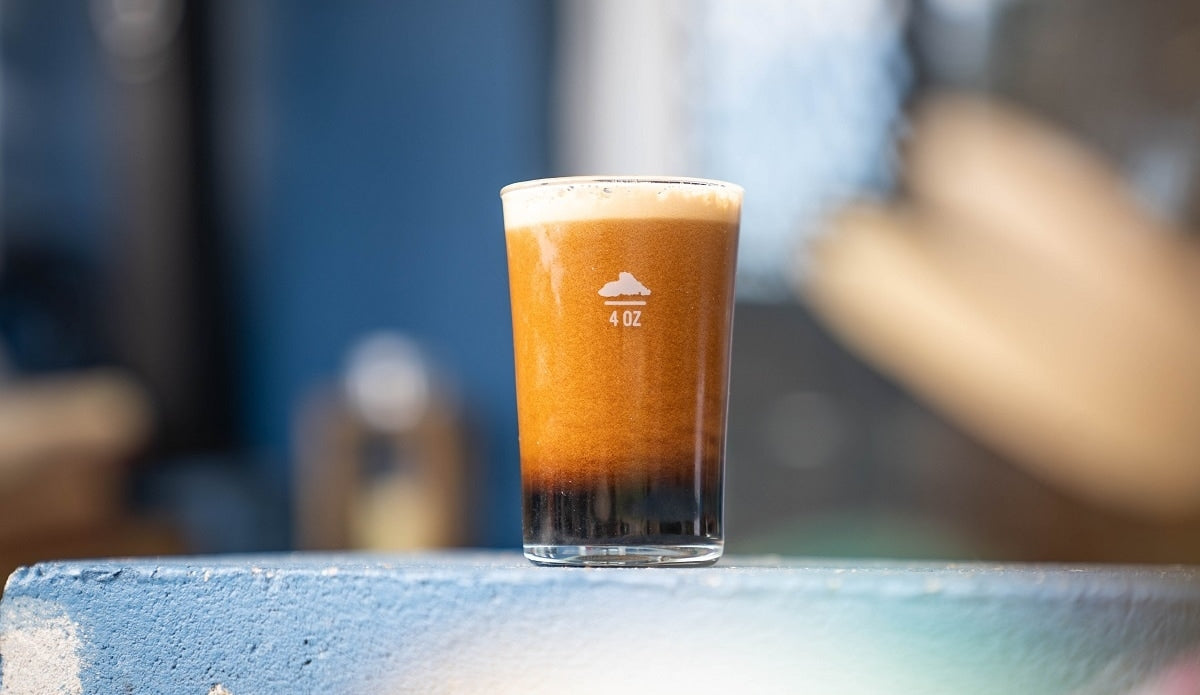
Beer Gas for dispensing beer from a keg
Beer gas is the blend of nitrogen and CO2 that gives stout its velvety, thick head. Here is how to use beer gas cartridges, a regulator and the right tap at home.
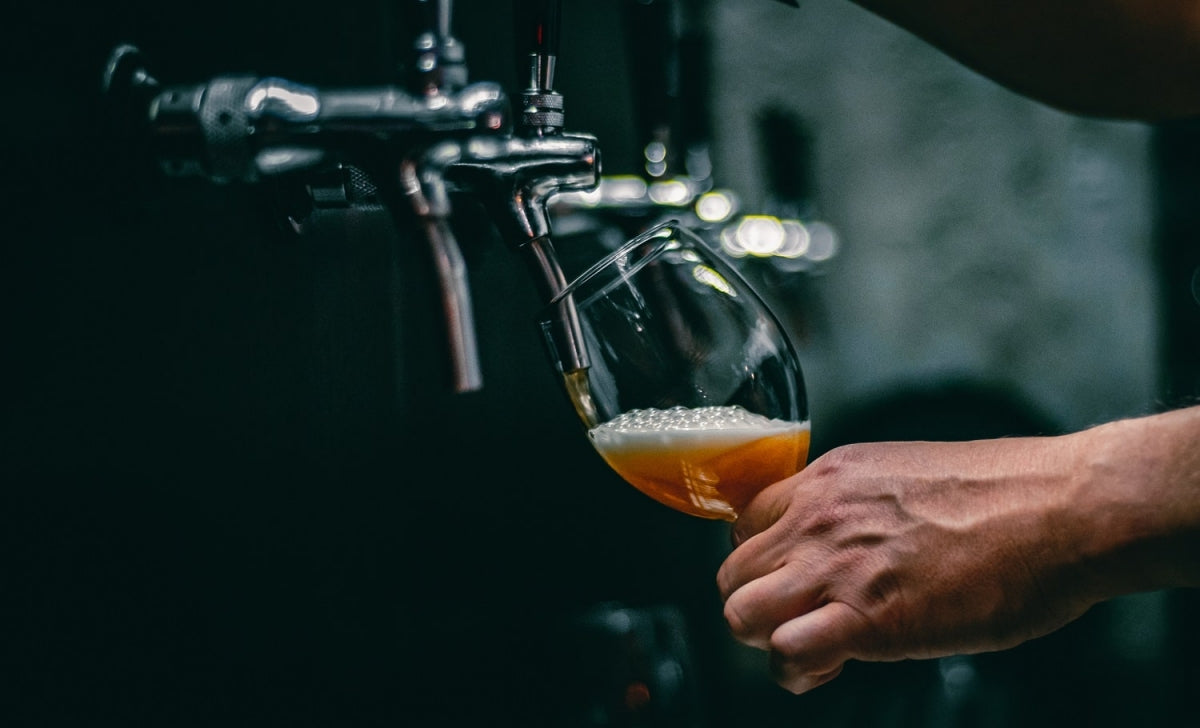
Serving beer from a keg
Picnic tap, beer tower, kegerator or Lindr? Here are the ways to serve homebrewed beer from a keg, how to solve foam problems and how to clean your beer lines.
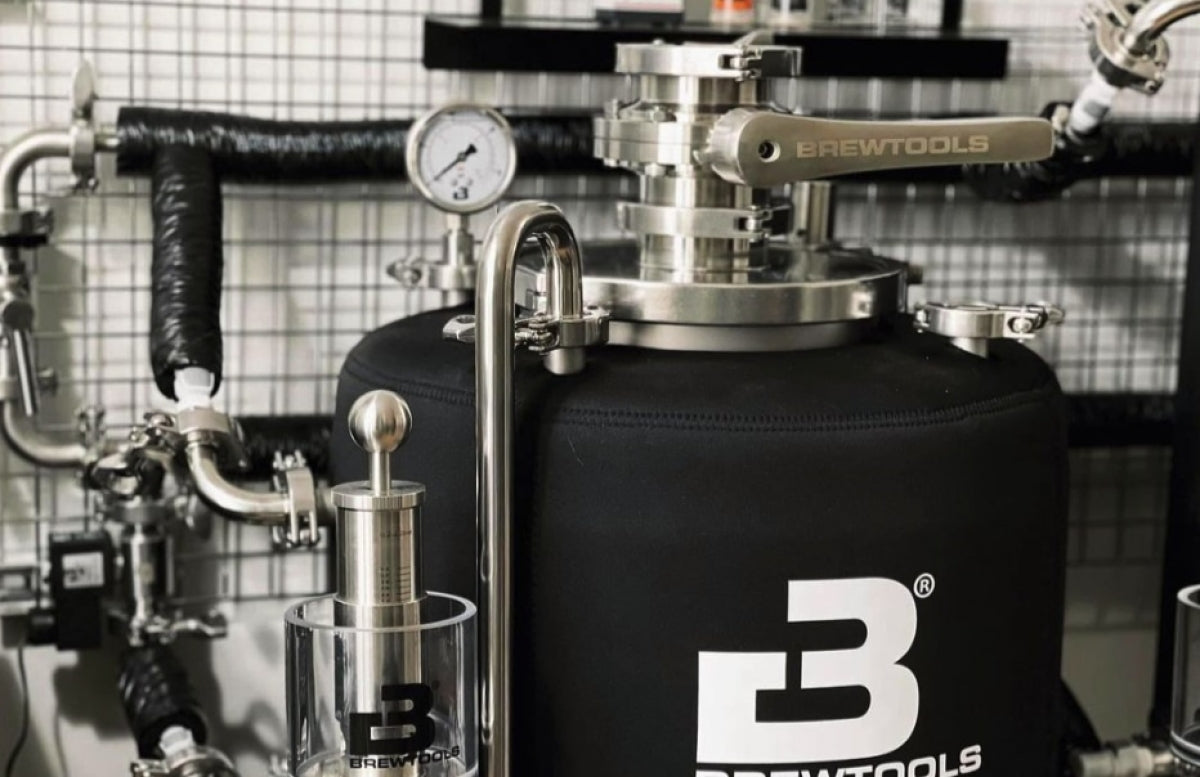
Pressure fermentation
Pressure fermentation suppresses esters and off-flavours, keeps oxygen out and lets you serve fully carbonated beer straight from the tank. Here are the pros, cons, equipment and what pressure to ferment at.
Using adjuncts when brewing beer
Corn, rice, oats and candi syrup can change the flavour, colour and body of your beer. Here is when adjuncts are used in the mash and in the boil, plus four recipes for 25 litres.
Cold crashing beer
Cold crashing means chilling the beer quickly towards the end of fermentation, so yeast, hops and proteins settle at the bottom. Here are the temperature, time, benefits and how to avoid suckback.
Oxygenating wort
Oxygen gives the yeast the building blocks it needs for healthy growth, especially in strong beers and lagers. Here is the equipment, the pressure and how long to add oxygen for a 25-litre batch.
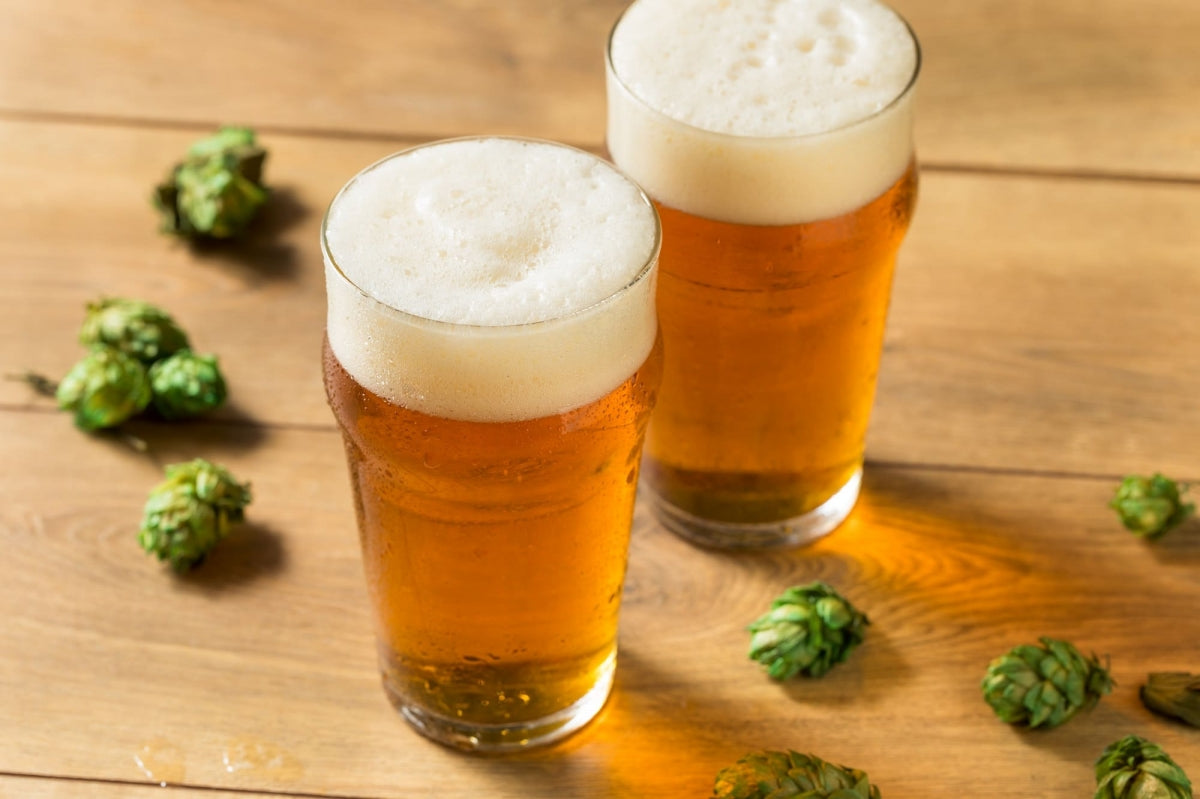
Cold IPA
Cold IPA combines the malt base and yeast of a pilsner with the bitterness of West Coast IPA and fruity hop flavours. Here we go through the malt, hops, yeast and fermentation for the style.
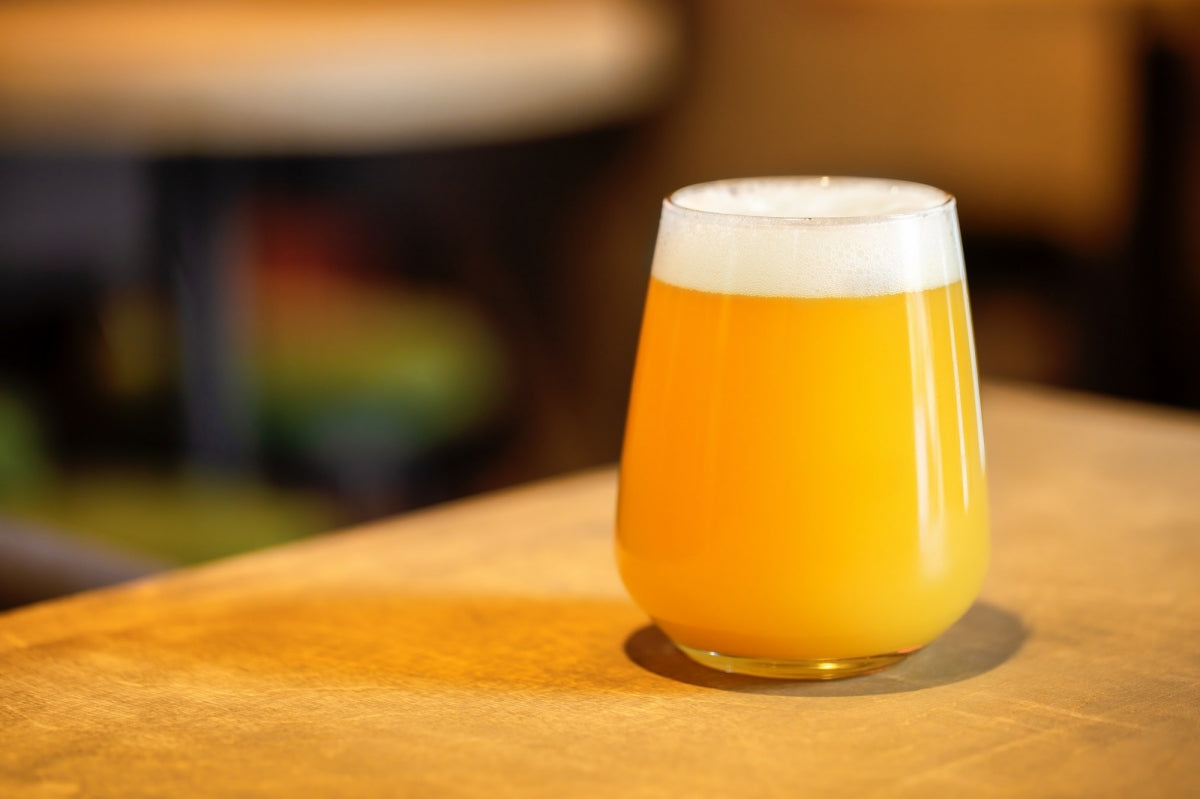
New England IPA
New England IPA is a hazy, velvety IPA with low bitterness and big flavours of tropical fruit and citrus. Here are the malt, hops, yeast and water profile, and how to keep the beer from oxidising.
English Bitter
English Bitter is a malt-dominated, easy-drinking beer style with roots in 19th-century England. Here are the flavour profile, ingredients and a recipe for 25 litres of Best Bitter.
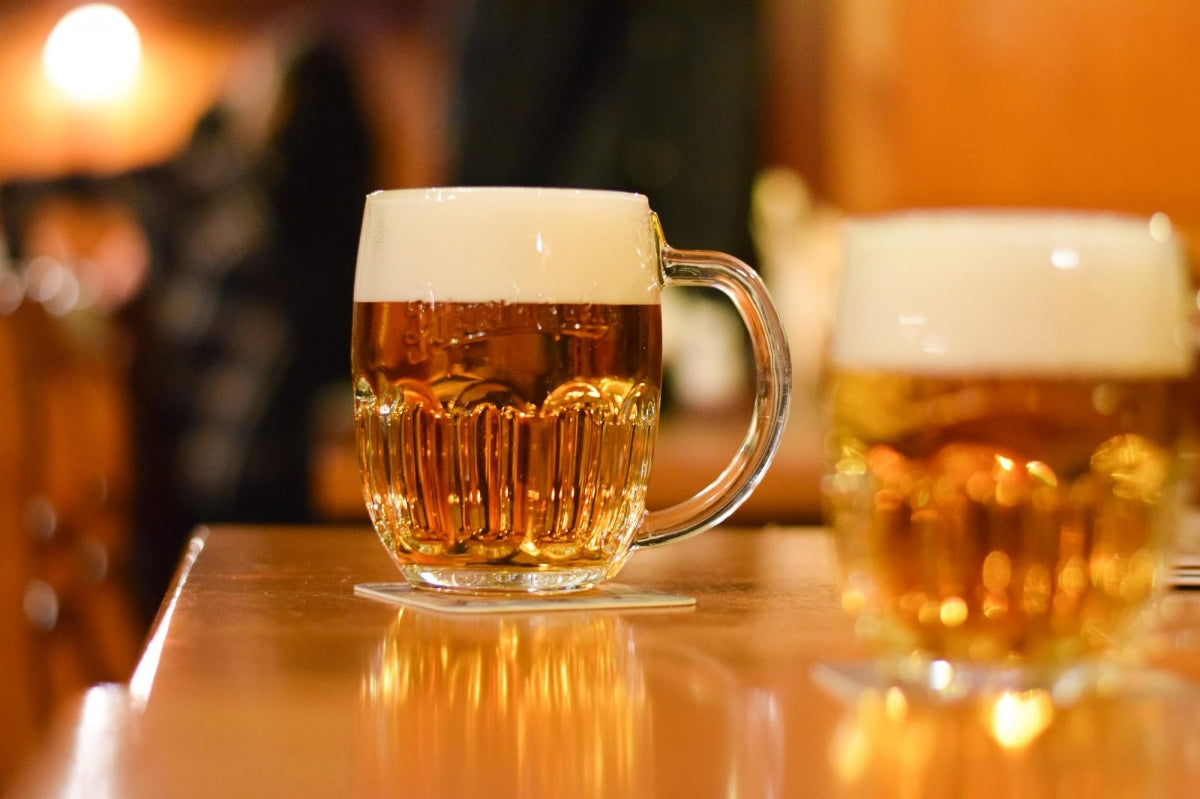
Czech Pilsner
The original pilsner comes from Plzeň in the Czech Republic and has a malt character of toasted bread and biscuits, balanced with Saaz. Here are the ingredients, the mash and the fermentation that give the style its true character.