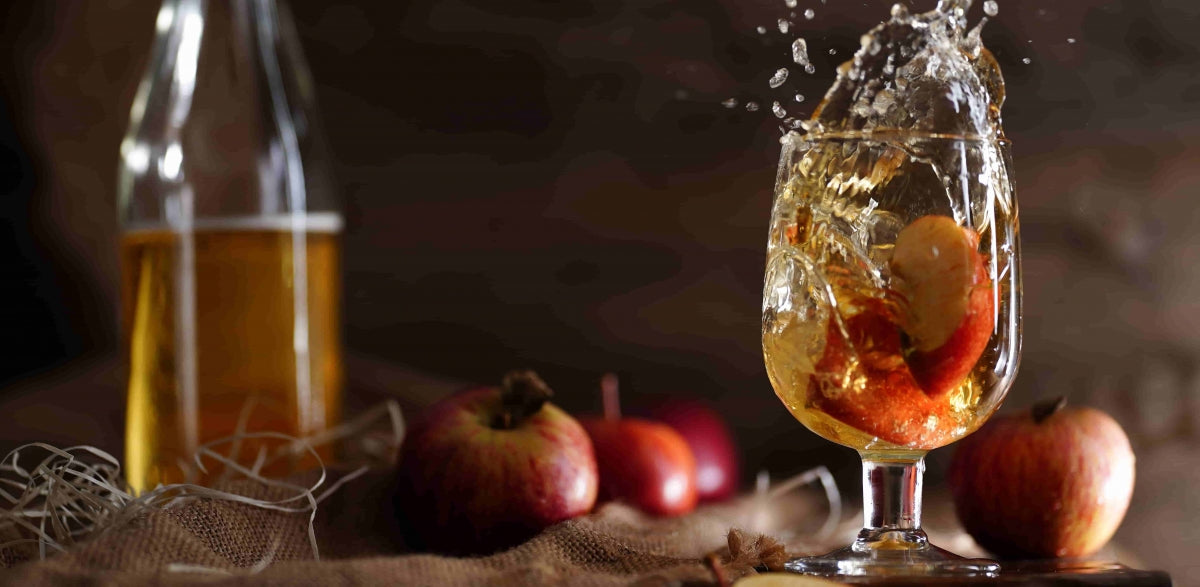
In autumn, gardens and woods are brimming with fruit and berries. That means it is time to make your own. Let's get started!
Shop-bought cider or real cider from fruit?
Some people may think of cider as what you find in the supermarket, which is often very sweet with artificial flavour. The cider we are talking about here is usually well fermented out and has little residual sweetness. There are various options for back-sweetening it, but traditionally a real cider should be dry.
How to brew cider
Before we go into ingredients, equipment and additions, here is a quick run-through of the brewing process itself:
- Clean the fruit and separate the juice from the pulp. If you are brewing very small amounts, a good juicer will get you a long way. For somewhat larger volumes, you will do yourself a big favour by investing in a dedicated fruit mill and fruit press. Optionally add ascorbic acid along the way to reduce oxidation.
- Pasteurise the juice by heating it to 80–85°C, or add Campden to remove wild yeast. Alternatively, skip this step if you want to use the wild yeast already present on the fruit.
- Pour the fruit juice into a sanitised fermenting bucket. Add yeast and yeast nutrient, and fit the lid and airlock.
- Leave the fermenter for at least six weeks, and preferably eight weeks or longer. To be sure fermentation is finished, you can take a gravity reading with a hydrometer (SG reading) over several days. If it does not change, fermentation is complete. To reduce unpleasant flavours such as fusel and sulphur, it can be an advantage to keep the temperature relatively low. 10–15°C is fine. The most important thing is to keep the temperature stable, without large fluctuations along the way.
- A few days before bottling, you can add fining agent if you wish. To get a good effect from the fining agent, we recommend chilling your cider (cold crash) when adding it.
- Bottle (or keg) your cider and add priming sugar: either as carbonation drops or as a sugar solution. The amount varies according to how much carbonation you want in your cider. Cider often suits lively carbonation: 7–8 grams of sugar per litre is usually a good amount.
- Cap the bottles and let them condition at cellar temperature. After a couple of weeks your cider will be carbonated.
Remember that good cider needs a long maturation time. The cider you brew this spring is often at its best next year.
What equipment do you need?
To turn fresh fruit into cider, you need suitable brewing equipment for cider:
- Fermenter with airlock
- Hydrometer or similar to measure sugar content
- Cleaning products: cleaner and sanitiser
- Mill and fruit press (recommended)
- Equipment for bottling or kegging
Depending on the type of fruit you choose, you first need to separate the juice from the rest of the fruit. For very small amounts, a good juicer will get you a long way, but if you want to scale up a bit, a fruit mill and a fruit press are recommended. The mill chops the fruit into small pieces, while the fruit press squeezes the liquid out of the fruit.
Which fruits and berries can you make cider from?
You can of course make cider from most fruits and berries, and the brewer is free to try whatever they like. Although you can use anything from redcurrants and plums to rhubarb and blueberries, the easiest and most common is still apples. Here it is also important to think about which types of apples you use. Norwegian apples can often be very tart, while other types can be a little “dry”. Feel free to taste your way forward before making larger amounts. Also remember that fruit and berries often contain a lot of sugar. They are therefore most flavourful towards the end of the season.
Fruit and berries naturally contain a lot of sugar and will ferment quite far down. Extra sugar will increase the alcohol, but you then risk a boozy flavour (fusel alcohols) in the finished cider. As a starting point, we therefore recommend not adding sugar to the cider before fermentation, although some people choose to do so.

Other additions
Although these are not absolutely essential for a good cider, it can be sensible to use the following:
- Pectinase is an enzyme that breaks down pectin in the fruit. In other words, it gives a better juice yield and a clearer cider.
- Ascorbic acid (also known as vitamin C) can be added during juicing to prevent oxidation. Some fruits, such as apples, turn brown almost immediately on contact with air. Ascorbic acid can help here.
- Fining agents, such as gelatine or calcium bentonite, will clear your cider. Chilling it well before bottling will also help the clearing process. Long storage will also work wonders.
- Yeast nutrient to ensure a clean and healthy fermentation.
Wild yeast, pasteurisation and yeast
All fruit naturally carries wild yeast. You can choose to use the natural yeast on the fruit for a spontaneous fermentation. This will give a dry and natural cider, often with a little funk in the flavour. The risk is that you may also get microorganisms that do not produce such good flavours. To make it as safe as possible, you can either pasteurise the fruit juice with heat or add sulphite (Campden).
To pasteurise, you can heat the juice to 85°C and hold the temperature for 10–15 minutes to remove wild yeast. Heating the juice can often change the flavour, so alternatively we can use Campden (potassium or sodium metabisulphite) to remove microorganisms instead of heat treatment. Put simply, Campden knocks out wild yeast and bacteria, while Sorbistat (potassium sorbate) prevents the yeast from multiplying. Sorbistat should therefore not be added before fermentation, but used when the cider is to be sweetened, to prevent fermentation from starting again.
Add according to the dosage on the packet, and leave it for at least 24 hours before adding cultured yeast. We want the sulphur to evaporate. You should therefore cover it with a tea towel or something similar that breathes, instead of a lid and airlock.
Choice of yeast
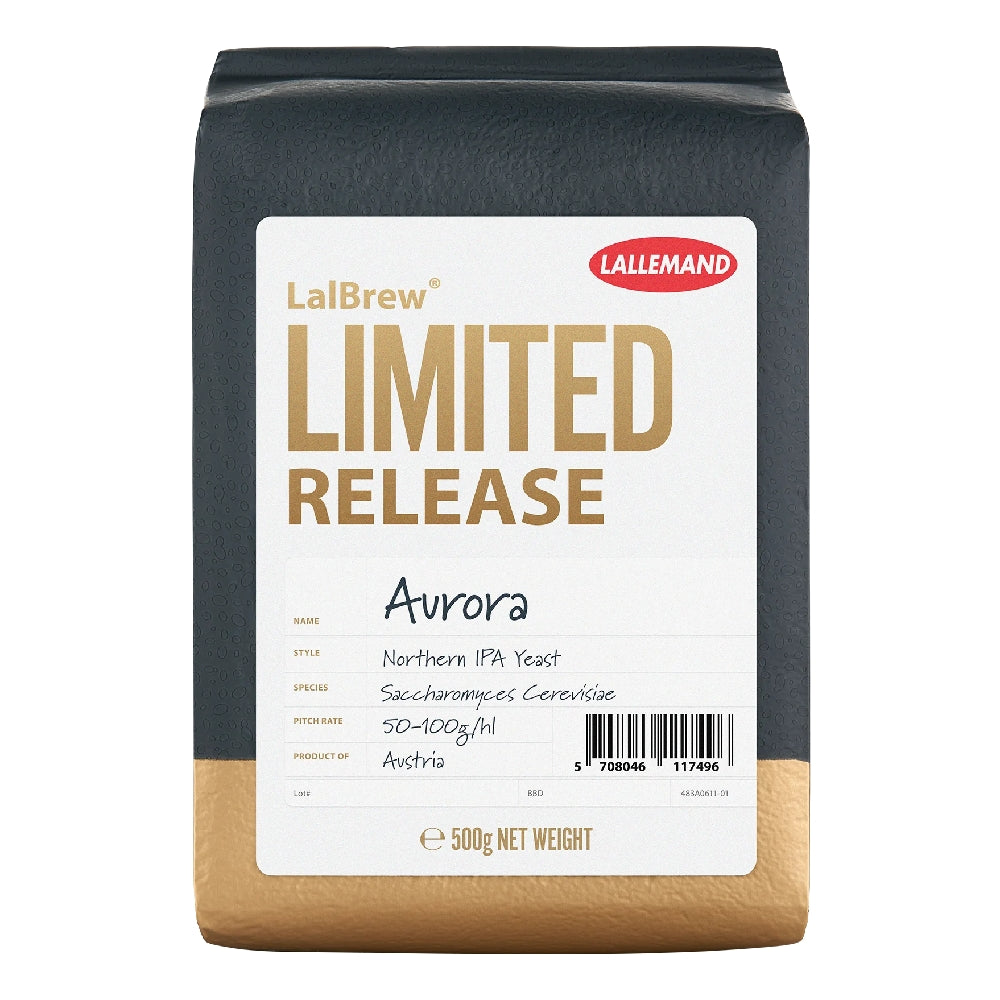
The choice of yeast depends on the type of cider you want. We recommend reading up a little on the different yeast strains to find out which one suits your cider. Baker's yeast and beer yeast can ferment your cider, but to bring out the right and clean flavours, we strongly recommend looking at the strains below, which are specially designed for cider and fruit wine.
- SafCider AB-1, AC-4, M02, EC-1118 (champagne yeast) or WLP775 (liquid yeast) are yeast strains that give a clean and dry cider without any prominent flavour from fermentation.
- MA33 is originally a wine yeast, but it also has the property of reducing malic acid, which can often be positive if you use Norwegian apples or other sour fruits/berries.
- SafCider AS-2 and TF-6 give more fruitiness from fermentation and can give more sweetness to your finished cider.
Maturation time
Even if your cider has finished fermenting and is carbonated, in most cases it will not be good yet. Cider needs long storage before the good flavours come through. Before it has fully matured, you may experience unpleasant flavours such as sulphur (rotten eggs and flatulence) or fusel alcohol (boozy flavour).
The key word is time. This year's cider may well be at its best by next year's apple season, or perhaps even the year after. Be patient, because it will most likely turn out well in the end.
Sweetening cider
Although real cider should be completely dry, some people still prefer a sweeter version. The “right” way to do it is to pasteurise the cider to kill the yeast, and then add extra sweetening.
Campden/Sorbistat is not the safest method for stopping fermentation and is generally not recommended. If you still want to try it, we very strongly recommend using a keg, as bottles can in the worst case explode if there is still active yeast left.
The easiest option for a homebrewer is to add an artificial, non-fermentable sweetener: Stevia, Splenda or Natreen. Take out a splash of cider and adjust the sweetness by taste before scaling up to the rest of your batch. Sugar-free cordial can be used successfully as a sweetener, so just experiment. Lactose (milk sugar) can also be used, but you quickly need larger amounts to have any effect, and you can end up with a flavour that does not belong in cider. Maltodextrin is also a sugar that does not ferment out, but it adds very little sweetness and is better used to increase body in beer.
Alternatively, you can brew the cider completely dry, «as it should be», and instead add sweetener directly to the glass when serving. That can be anything from apple juice and cordial to sugar syrup and honey, or anything else you have available. You should not add fermentable sugar for sweetening, as it will ferment and can cause bottle bombs.
Although this article is about brewing cider with fresh fruit, we also have to put in a good word for the extract kits from Mangrove Jacks. These are of perfectly decent quality and contain sweetener in a separate pouch. In other words, you can adjust their sweetness exactly as you wish.