Category
117 products
Showing 1 - 48 of 117 products
Wine and mead – wine kits, wine yeast, equipment and mead kits
Here you will find everything for making wine and mead at home: Winexpert wine kits, wine yeast, winemaking equipment, finings and stabilisers, and mead kits and honey from Mjøderiet. A wine kit makes about 23 litres of wine, or around 30 bottles, and is ready to bottle after 4 to 8 weeks depending on the range.
Three ways to get started
- Wine from a kit: The easiest route. The kit contains grape must or concentrate and step-by-step instructions, so you only need fermenting and bottling equipment.
- Wine from your own fruit or berries: You make the must yourself and need wine yeast, yeast nutrient, pectinase and finings. The SG Wines Fruit Wine Kit has all of these in one pack, for about 4.5 litres.
- Mead: Honey, water, yeast and yeast nutrient. The Mjøderiet mead kits include honey, mead yeast, nutrient, stabilisers and finings, and make 9 litres of base mead.
Wine and mead categories
- Wine kits – red, white and rosé kits making about 23 litres.
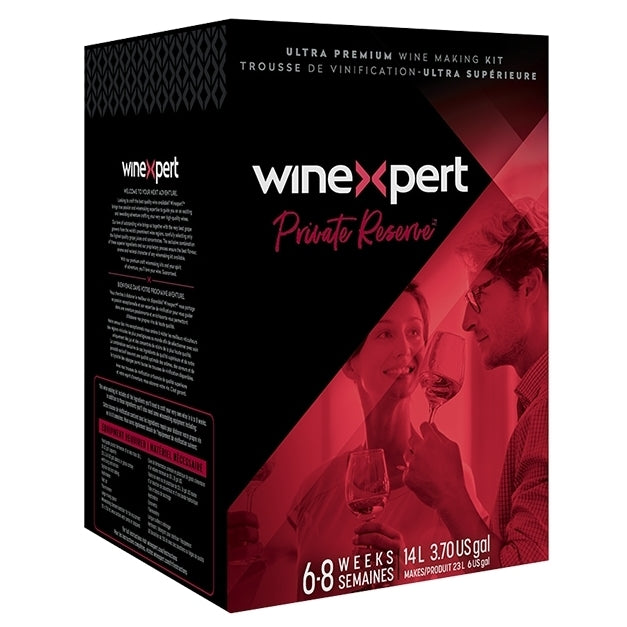
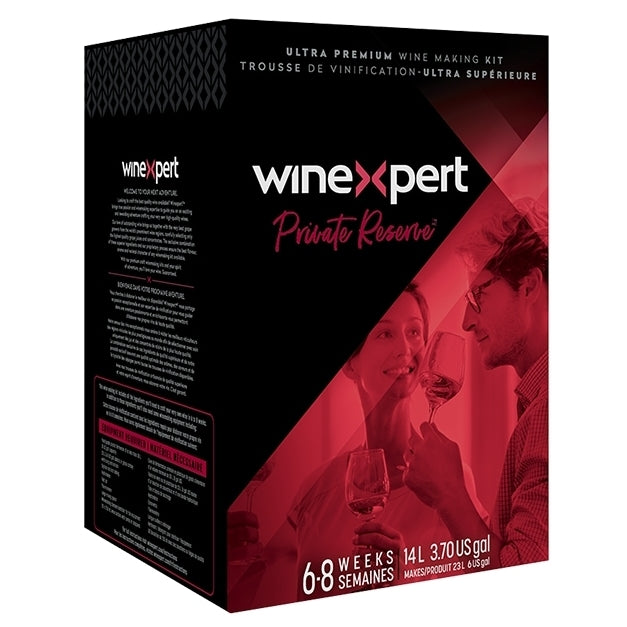
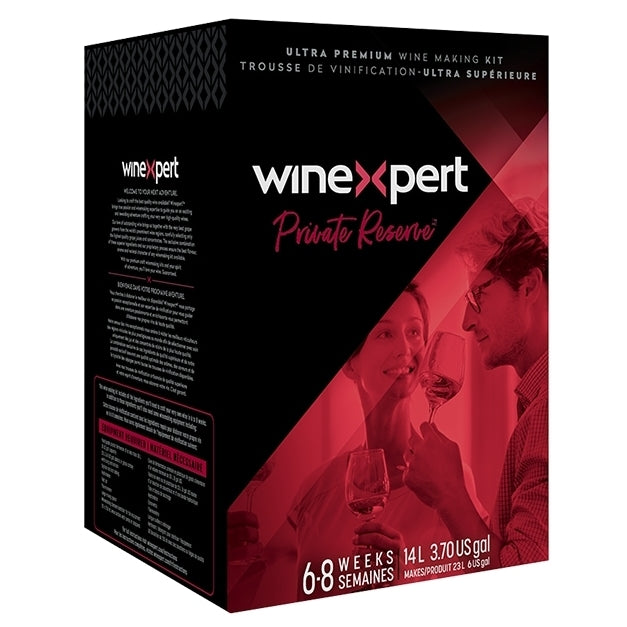
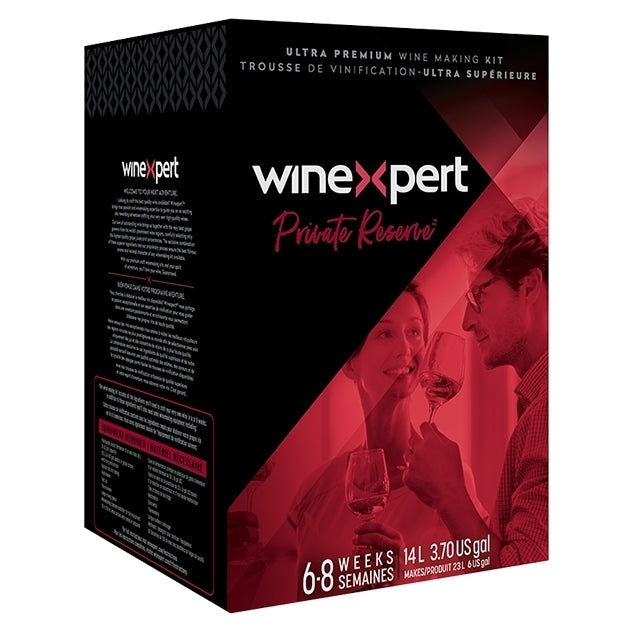
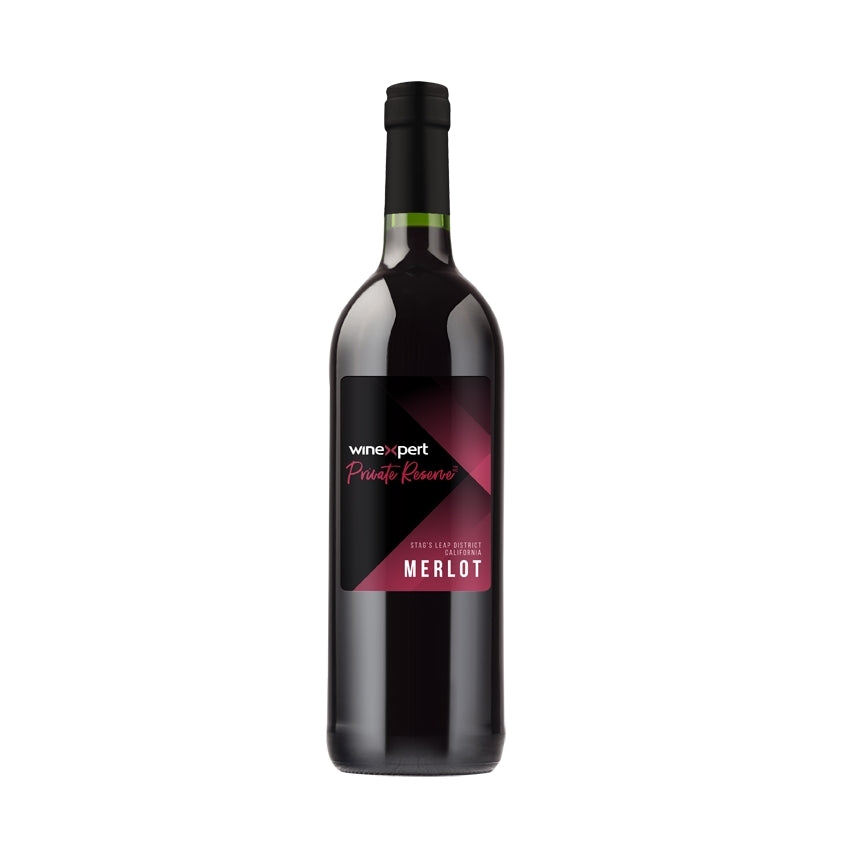
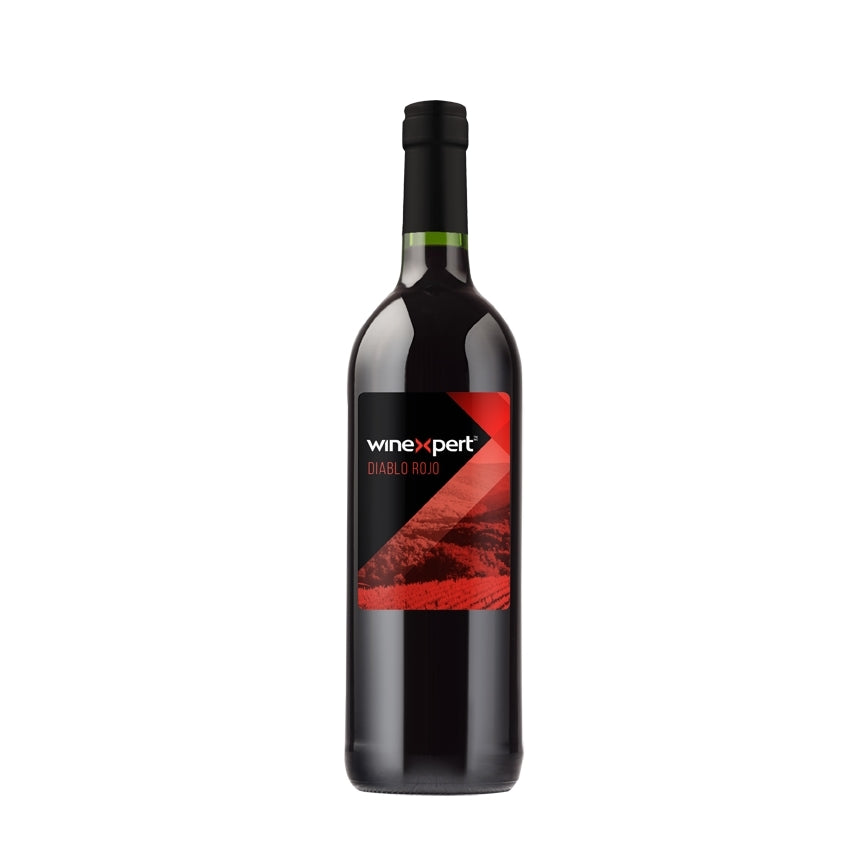
- Winexpert wine kits – the On The House, Classic, Reserve and Private Reserve ranges.
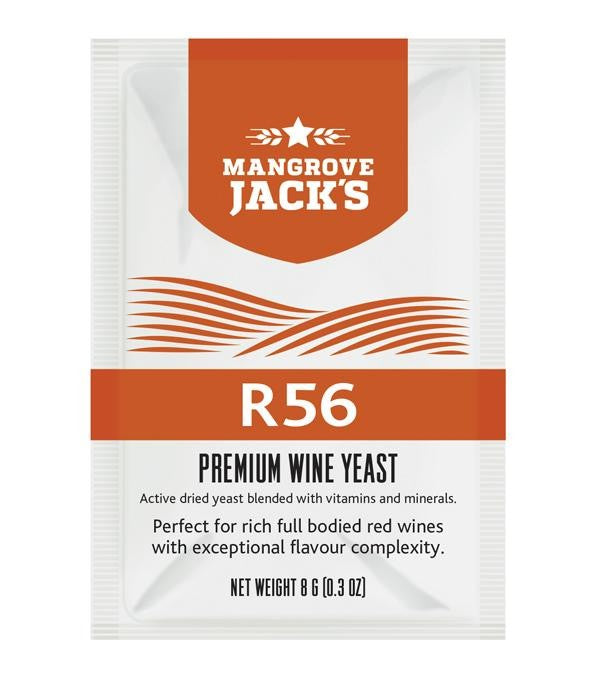
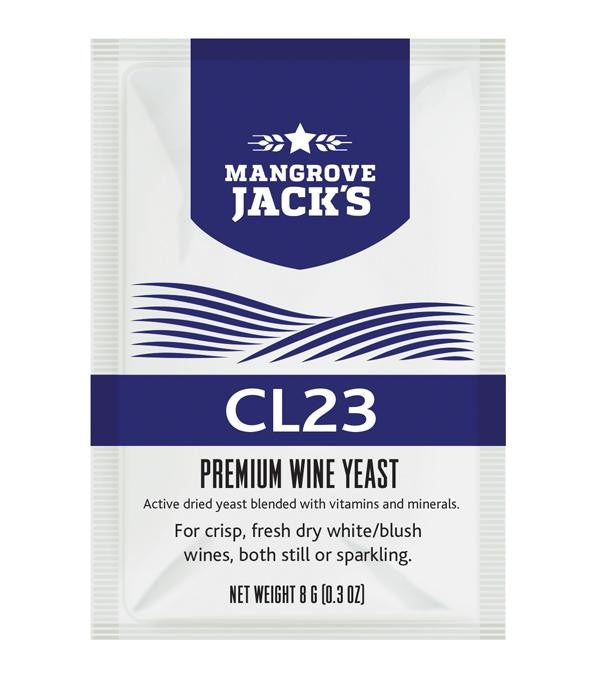
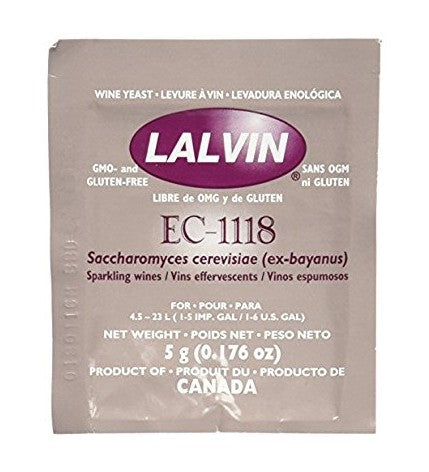
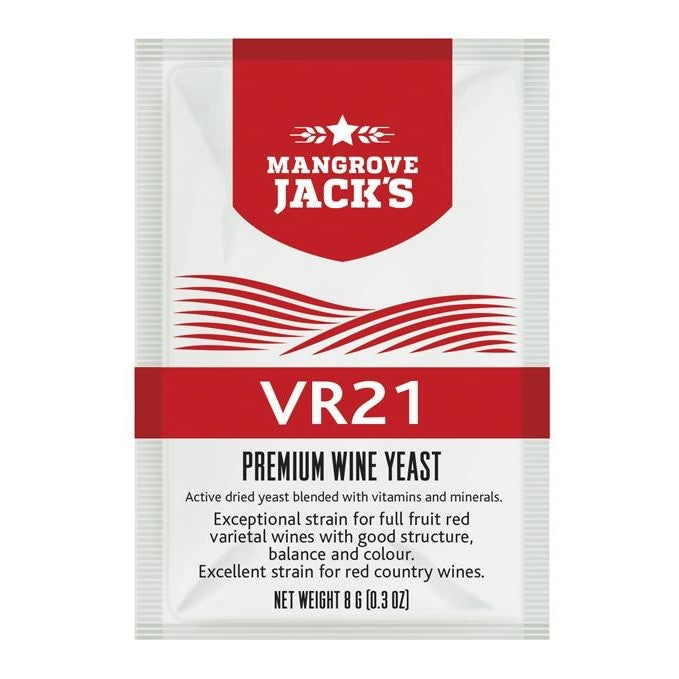
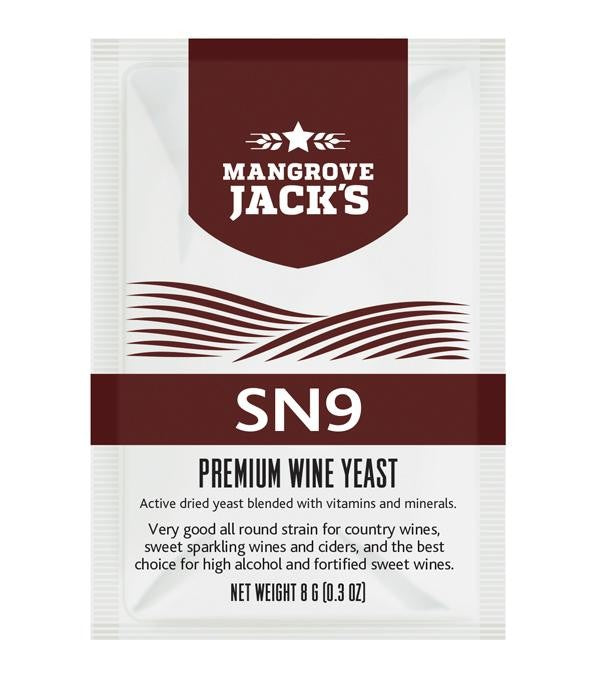
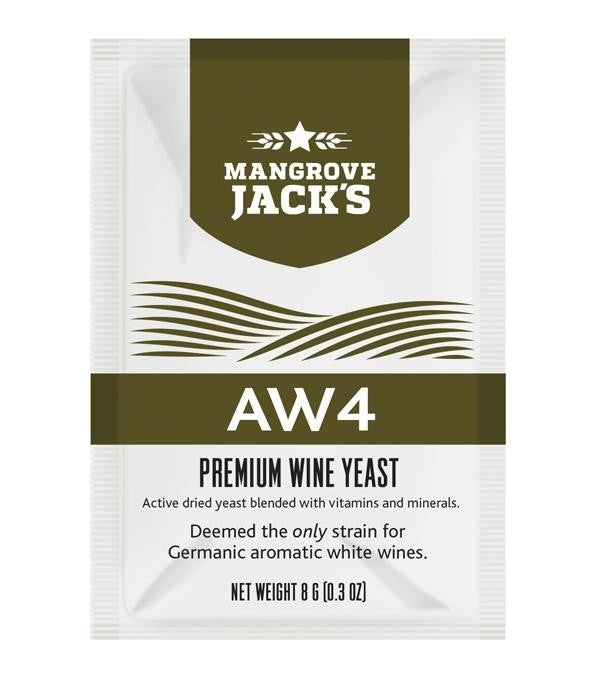
- Wine yeast – Mangrove Jack's strains and Lalvin EC-1118 from Lallemand.
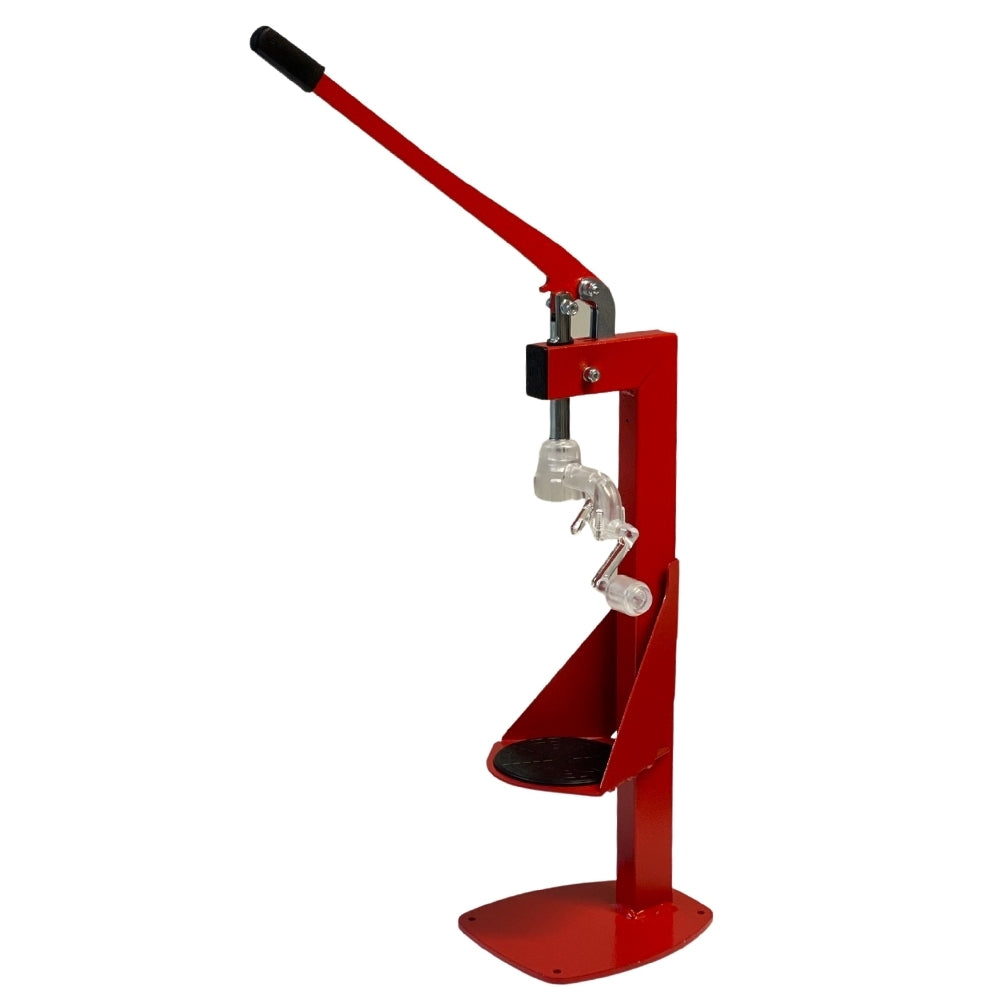
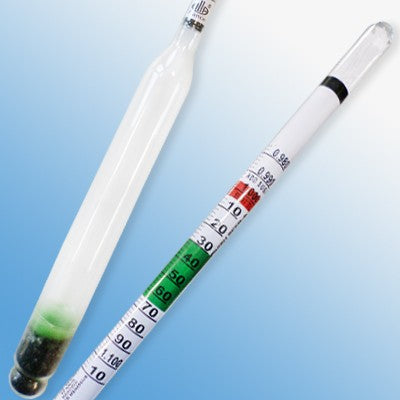
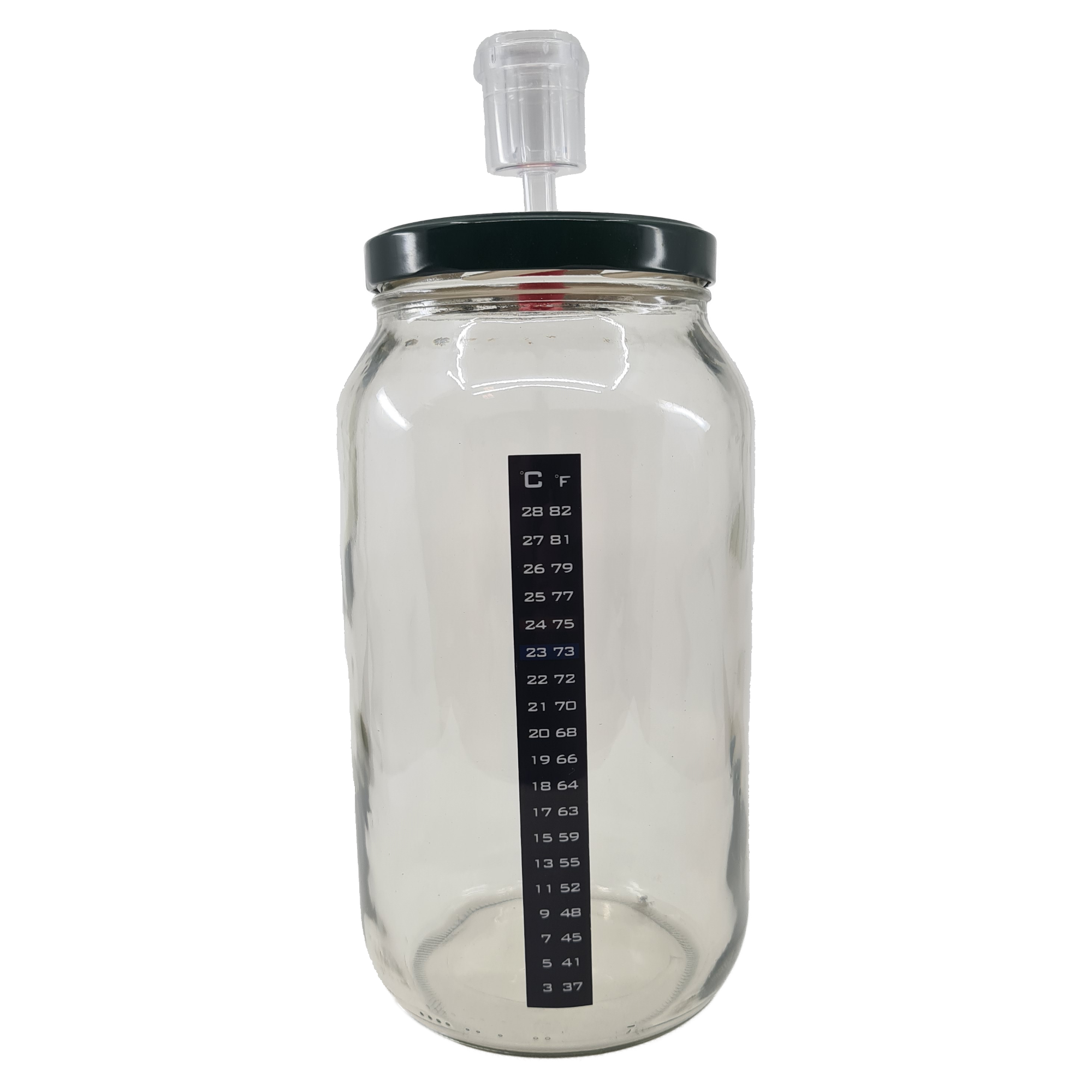
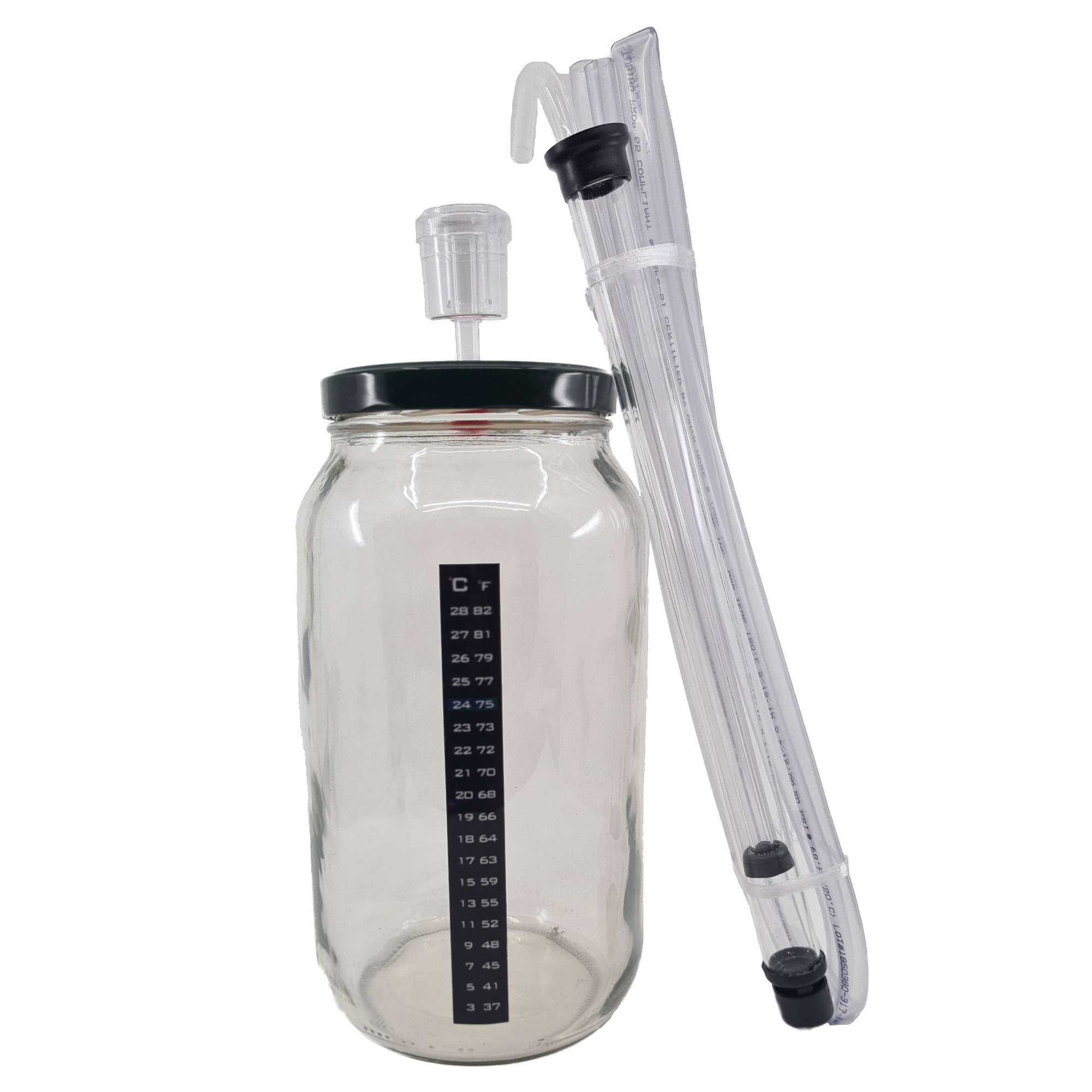
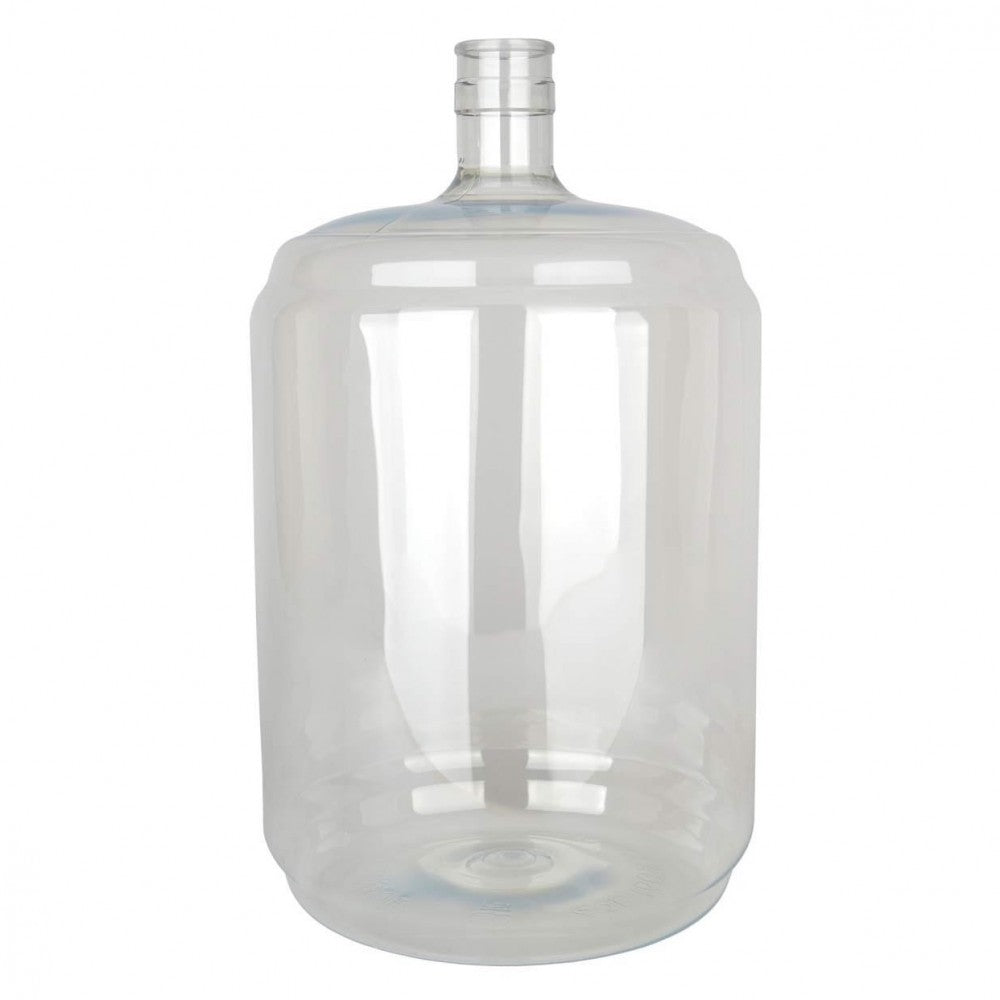
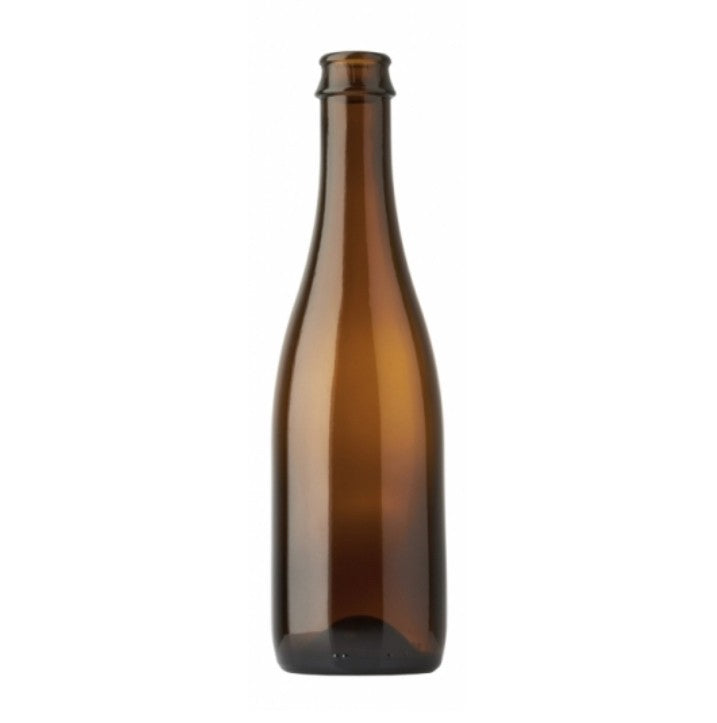
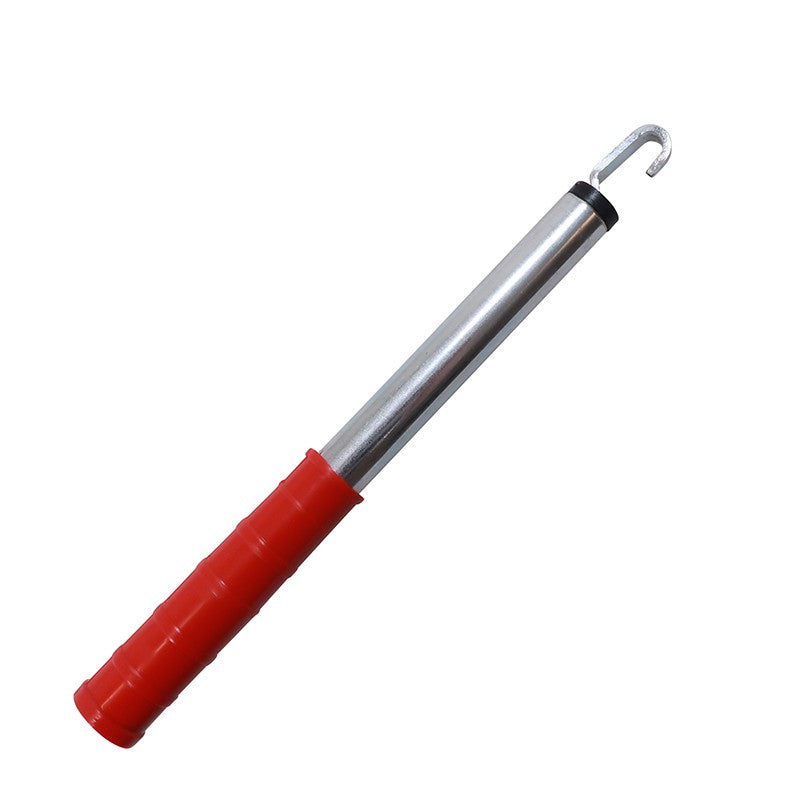
- Winemaking equipment – fermenters, hydrometers, degassers, corks, corkers and bottles.
- Mead – mead kits, organic wildflower honey, mead yeast and nutrient.
Choose a wine kit by time and quality
| Winexpert range | Grape must | Ready to bottle |
|---|---|---|
| On The House | 6 litres concentrate | 4 weeks |
| Classic | 8 litres concentrate | 4 weeks |
| Reserve | 10 litres concentrate | 6 weeks |
| Private Reserve | 14 litres grape must and concentrate | 8 weeks |
All ranges make about 23 litres of finished wine. More grape must means more body and complexity, and several Private Reserve kits include crushed grape skins for red wine with more structure. A good first choice is a Classic wine such as the Italian Sangiovese.
The equipment you need
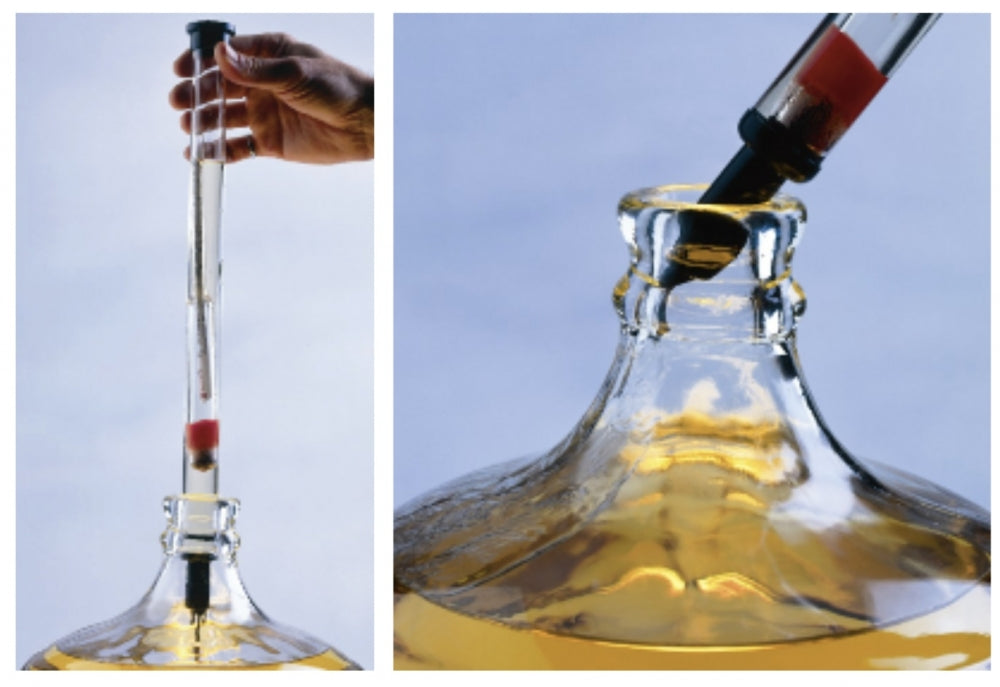
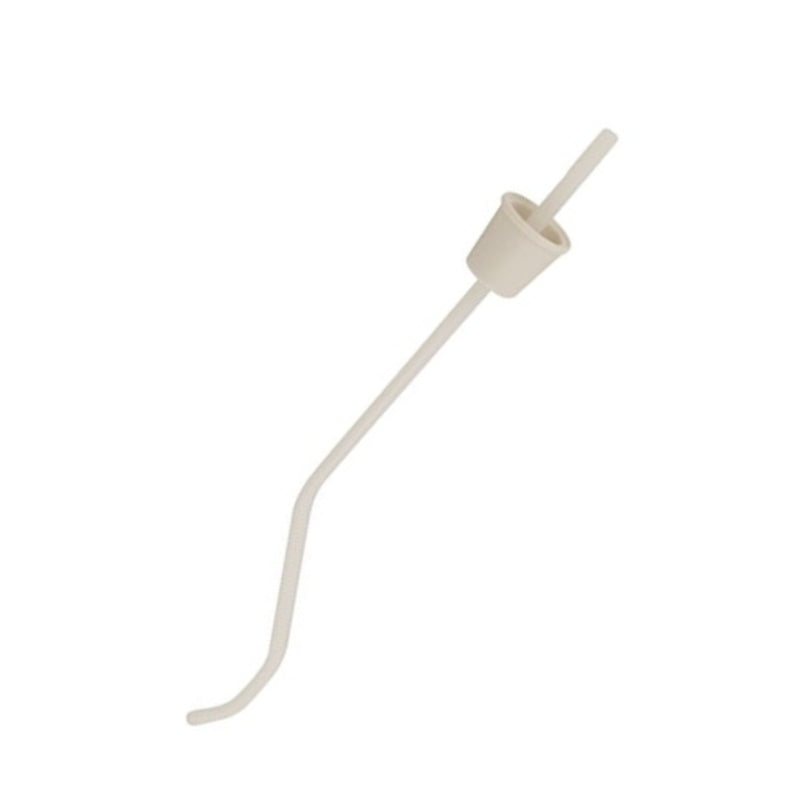
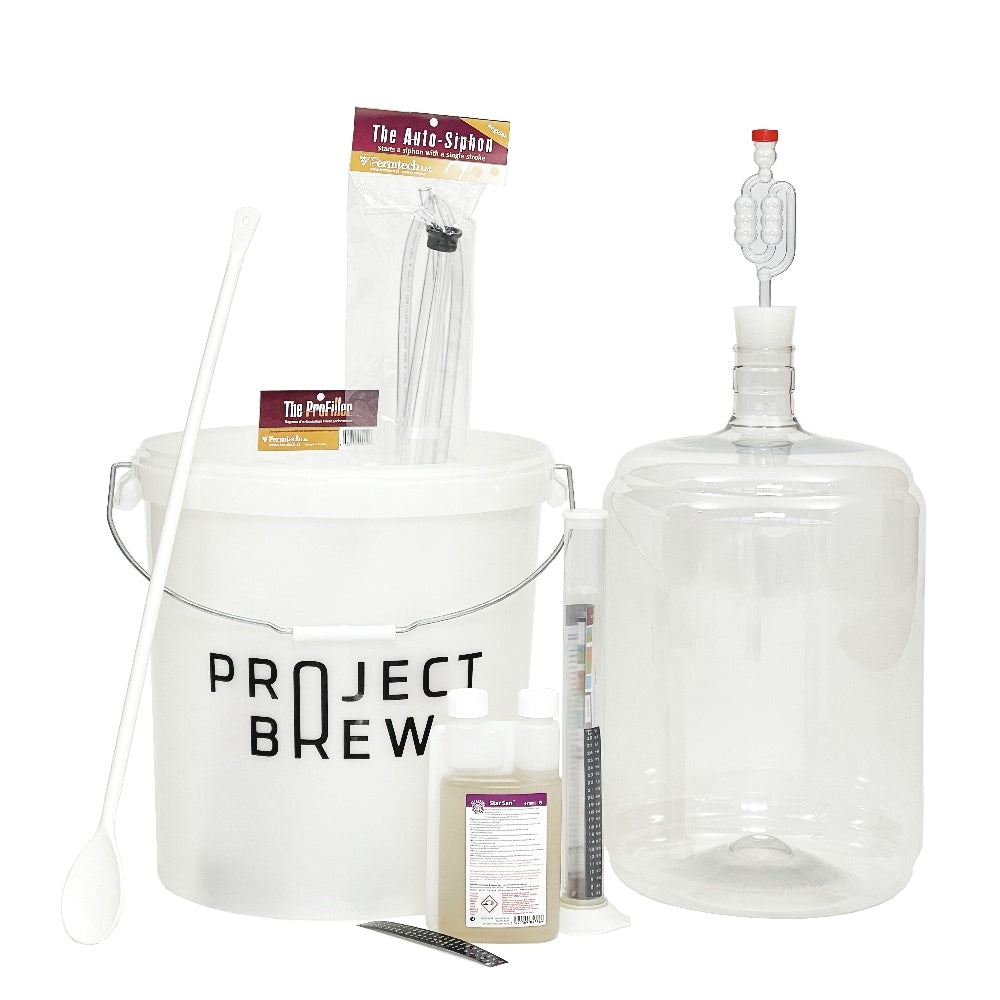
The winemaking starter kit contains 33 and 23 litre fermenters, an airlock, a silicone bung, a hydrometer, a brewing spoon, The Whip degasser, an auto-siphon with bottle filler, thermometers and sanitiser. You also need bottles, corks and a corker. If you already brew beer, you probably have most of the fermenting equipment.
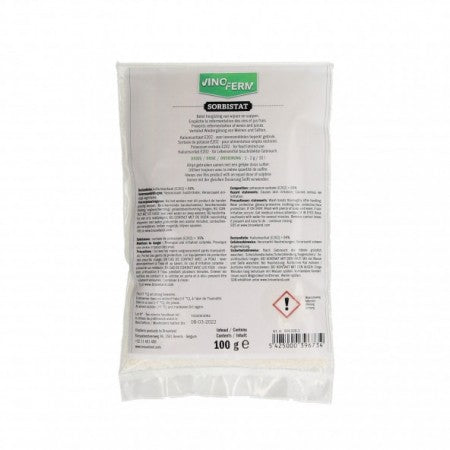
If the wine is to be back-sweetened or aged for a long time, use Sorbistat together with Campden tablets to prevent renewed fermentation. Common finings include Super-Kleer K.C., bentonite and kieselsol.
Mead from honey
Mead is a fermented drink made from honey, water and yeast, and can be flavoured with fruit, berries and spices. The Mjøderiet base mead kit contains 4.3 kg of wildflower honey, Mangrove Jack's M05 mead yeast and Mead Nutrient, and makes a 15–17% ABV base mead that you can back-sweeten. The kits also come with raspberry, blueberry, cherry and strawberry.
Frequently asked questions about wine and mead
How long does it take to make wine from a kit?
From 4 to 8 weeks until the wine is ready to bottle. On The House and Classic are ready after 4 weeks, Reserve after 6 and Private Reserve after 8 weeks. Many wines improve with some time in the bottle.
How much wine does a kit make?
The Winexpert kits make about 23 litres of finished wine, equal to around 30 bottles of 0.75 litres.
What do I need to make wine at home?
A fermenter with an airlock, a hydrometer, sanitiser, a siphon and a degasser, and finally bottles, corks and a corker. The winemaking starter kit covers everything except bottles, corks and a corker.
Can I make wine from my own berries and fruit?
Yes. You then need wine yeast, yeast nutrient, pectinase and finings as well as the fruit. Mangrove Jack's MA33 wine yeast is made for fruit wine and high-acid fruit.
What is the difference between wine and mead?
Wine is made from grapes or other fruit, while the sugar in mead comes from honey. The equipment is the same, but mead needs more yeast nutrient because honey contains few nutrients for the yeast.
Related
- Finings – bentonite, kieselsol, gelatine and Super-Kleer.
- Enzymes and more – Campden, Sorbistat, acids and tannins.
- Yeast nutrients – for wine, mead and cider.
- Cider equipment – fruit mills and fruit presses.
- Wine glasses – glasses suited to the wine style.