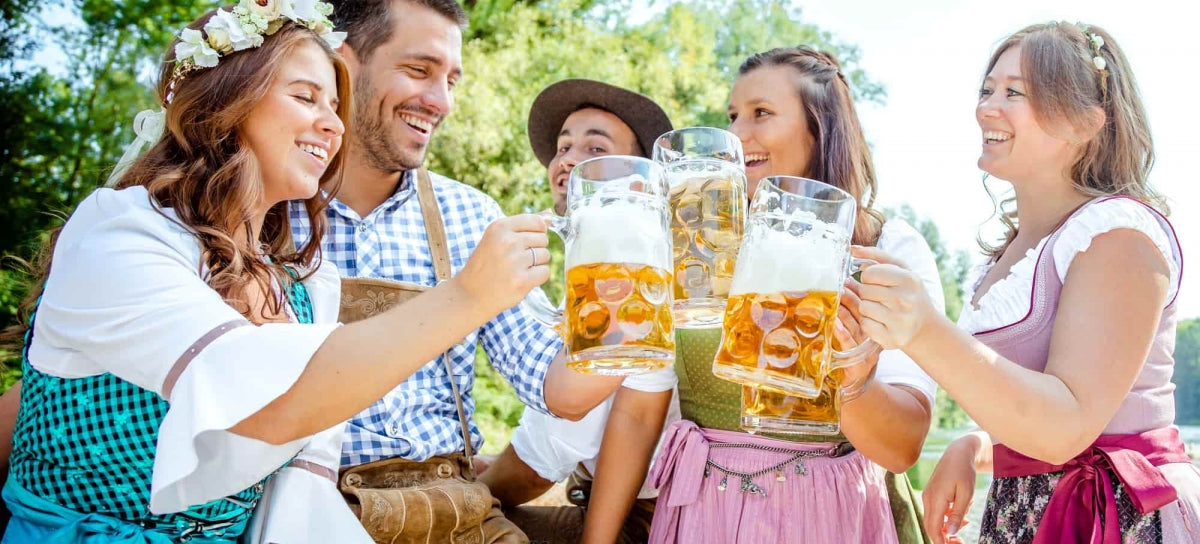
Today most people probably associate Oktoberfest with paler beer styles leaning mostly towards a pale, and often slightly stronger, pilsner. But the original Oktoberfest style is somewhat darker and stronger, and is best known today as Märzen.
Historically it was brewed in Bavaria around the month of March in spring (March = märzen), and had to be brewed fairly strong to keep through the summer and all the way to Oktoberfest. The reason for this was old laws that banned brewing in summer (23 April to 29 September), simply because high temperatures during brewing could lead to fires or explosions. In other words, for a period it was illegal to brew in summer because of the increased fire risk.
The beer style is a dark, robust lager that can be seen as a stronger version of Vienna lager. Think flavours such as bread, biscuit and caramel, often slightly toasted. Otherwise it should be a cleanly fermented lager without any big flavours or bitterness from the hops. Here it is the malt that should take the lead.
Ingredients for brewing Märzen
Malt:
The malt base often uses a combination of pilsner and munich malt. It is also common to add a portion of speciality malt such as biscuit, crystal/caramel malt or caramunich to bring out flavours of caramel and dried fruit. For a slightly dry finish and more colour, a small portion (a couple of per cent of the malt base) of roasted malt such as black, roasted barley or chocolate is often used. Remember that it is the malt base that should shine in this beer style, so this is where you should fine-tune.
Hops:
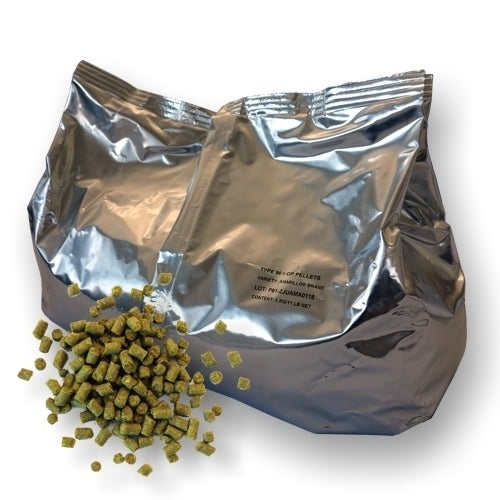
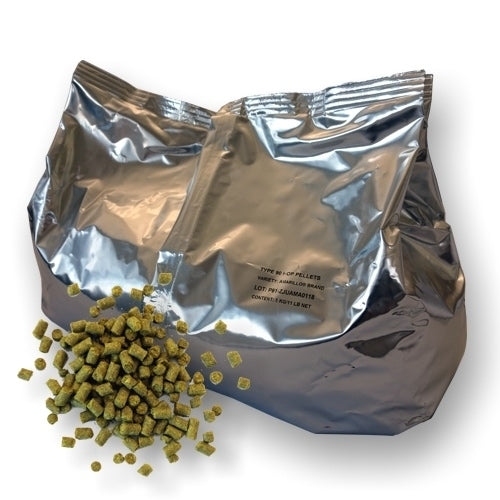
The hops are basically not meant to be the focus in this style, so you can happily use bittering hops only. A typical German high-alpha bittering hop such as Magnum is perfect here, to around 25 IBU. If you still want to experiment a little, German noble hops can work well added some way into the boil. Think Mittelfruh, Tettnang, Hersbrucker, or even Saaz. Some American hop varieties such as Mt Hood have also been used with great success in this style, but do not overdo the hops, less is more.
Yeast:
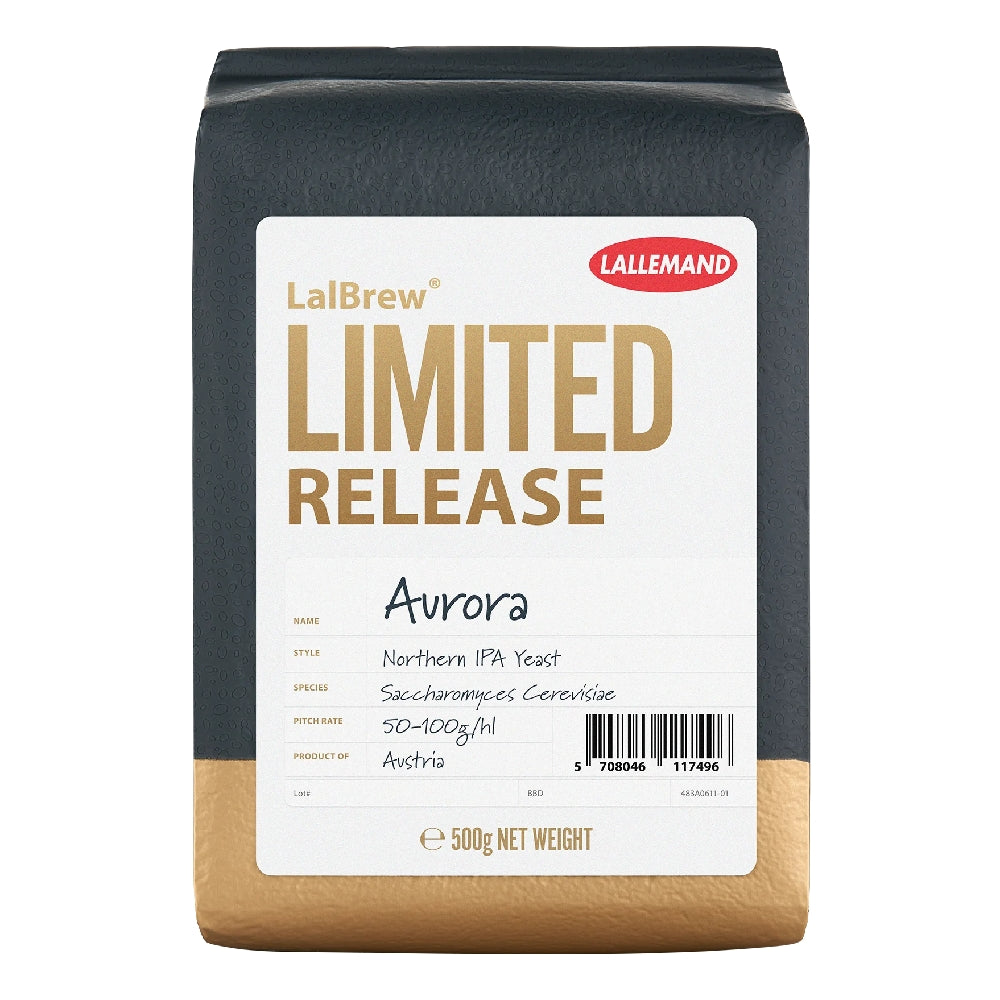
Classic German bottom-fermenting strains will work well here. WLP820 would be the first choice, as it is a yeast culture put together specifically for märzen. Good alternatives would also be WLP833, which really brings out the malt character, but be careful that it does not become too sweet and lean towards bock instead. If we look at dry yeast, M76 Bavarian Lager is an option that can be quite similar to WLP820, or Saflager 34/70, which ferments out cleanly and simply. For those in a hurry or struggling with temperature control, Lutra Kveik from Omega Yeast or High Voltage from WHC Lab can also be alternatives for this one. These kveiks can ferment beer with lager character in just a few days at high temperature.
The brewing process
The brewing process itself is no more complicated than usual. The most important part of brewing here is temperature control during fermentation. Since this style should be completely clean, and there are no hops for off-flavours to hide behind, temperature control is incredibly important here. If the temperature varies a lot during fermentation, less pleasant flavours such as sulphur (rotten eggs) or diacetyl (butter) can easily shine through. Keep the temperature low and stable at around 10 degrees, and raise the temperature a few degrees right at the end of fermentation to clean up any diacetyl that may be left. Feel free to check out our article on temperature control during fermentation to learn more about the subject.
As the history suggests, this is a beer style that needs some conditioning time before it is at its very best. Brew it in March and serve it in October for the truly authentic experience. And of course it must be served in the right glassware, such as sturdy seidel mugs.
Feel free to take a look at our great all-grain beer kit, Festival Bräu - Märzen Lager.