
Advice and tips on homebrewing
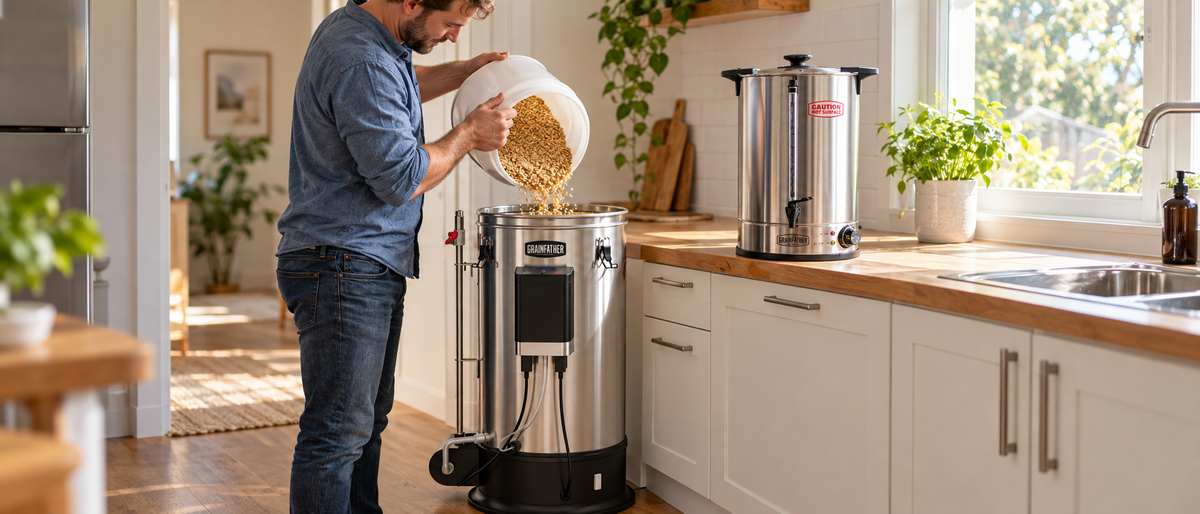
From Fresh Wort Kit to all-grain: what you need
All-grain is the next step if you want to make your own favourite beer from scratch. If you have brewed a Fresh Wort Kit, you already have most of the equipment. Here is what else you need.
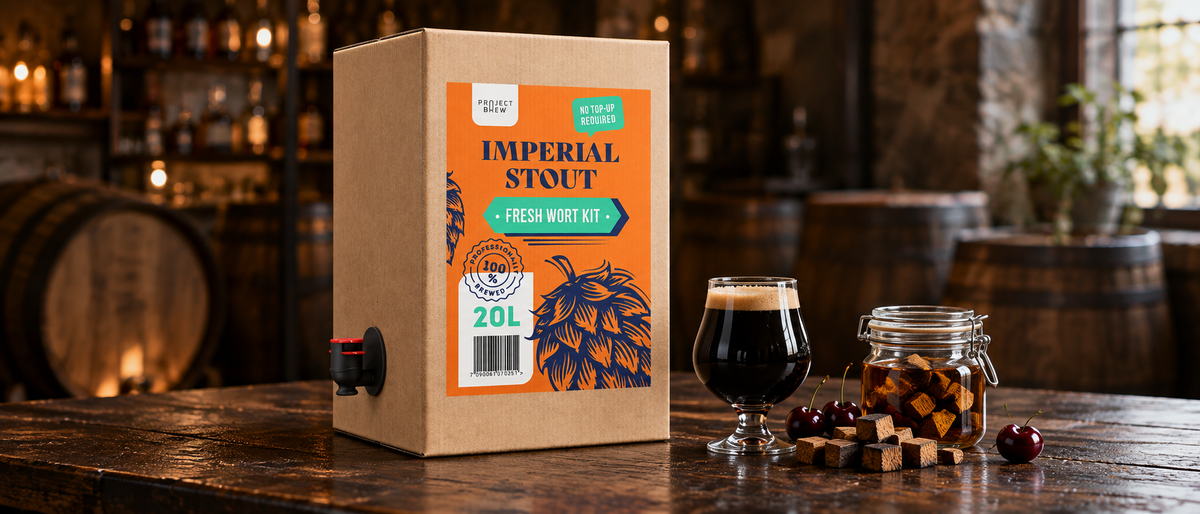
Tweak your Fresh Wort Kit: fruit, oak, yeast and hops
A Fresh Wort Kit is a good starting point for your own variations: different yeast, fruit purée, oak soaked in whisky or aquavit, and dry hops. Here are the doses, the timing and the kits that suit it best.
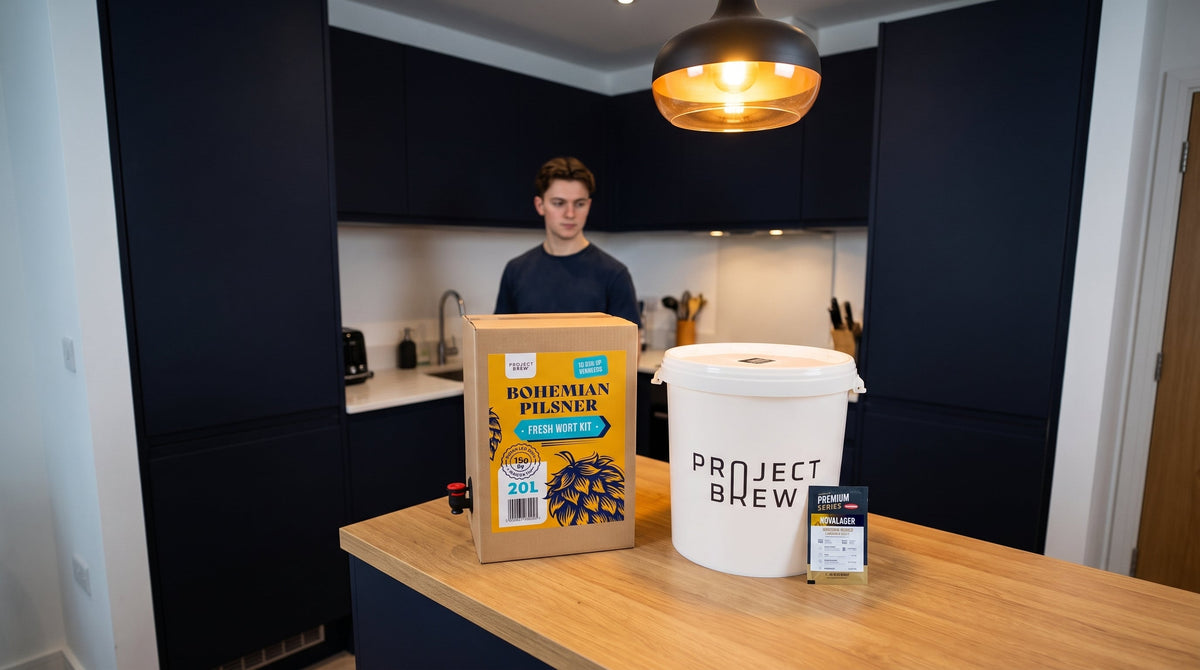
Bedsit lager: brew your own beer in the space of a bucket
With a Fresh Wort Kit, all you need to brew 20 litres of beer is a fermenting bucket that fits in a wardrobe. Here is the equipment, the method and how much space it takes.

Brew your own beer at home – our most popular Fresh Wort Kits
With a Fresh Wort Kit, the mashing and boiling are done at the brewery. See our eight most popular kits, how to brew and what you need to get started.

Brew gluten-reduced beer with Fresh Wort Kit and Clarity Ferm
Clarity Ferm added together with the yeast can reduce the gluten content of beer brewed with barley and wheat. Here is how to use it with a Fresh Wort Kit, and which kits suit it best.

Fresh Wort Kits – why you should choose 20L over 15L
A 15 litre fresh wort kit has to be diluted with water at home, while a 20 litre kit is finished wort ready to ferment. Here is why water chemistry makes the difference.
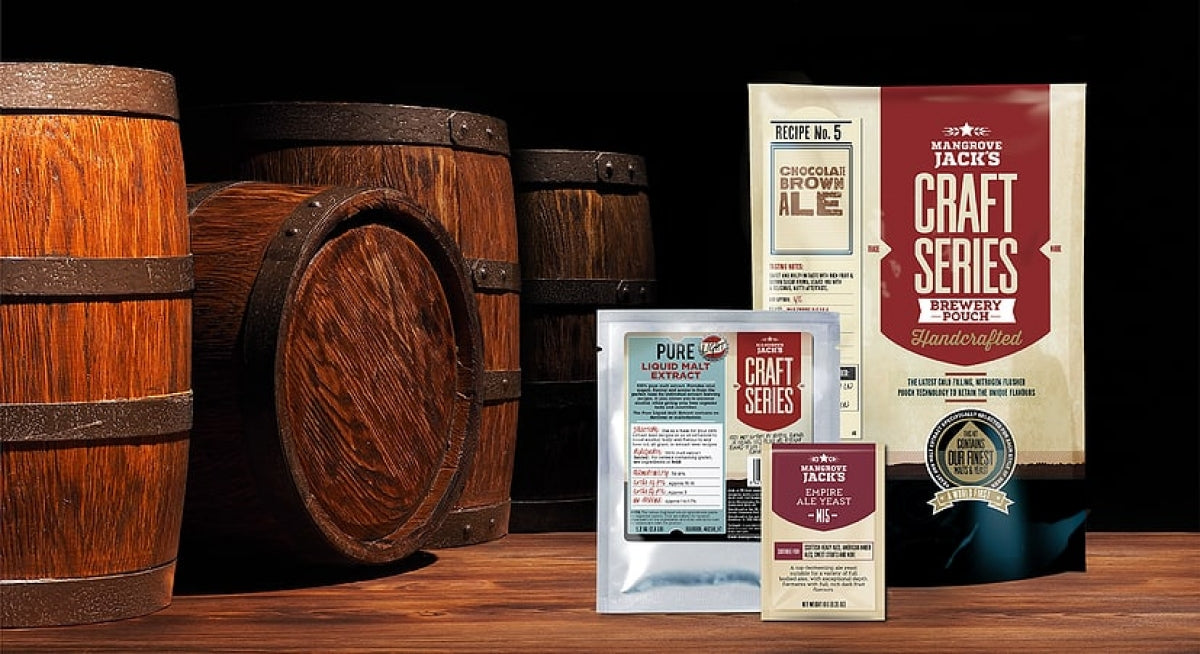
Brewing beer and cider with extract kits
Extract kits are the easiest route to your own beer and cider, and give a full-fledged result with good temperature control. Here is the equipment, the method step by step, and when to use malt extract or sugar.
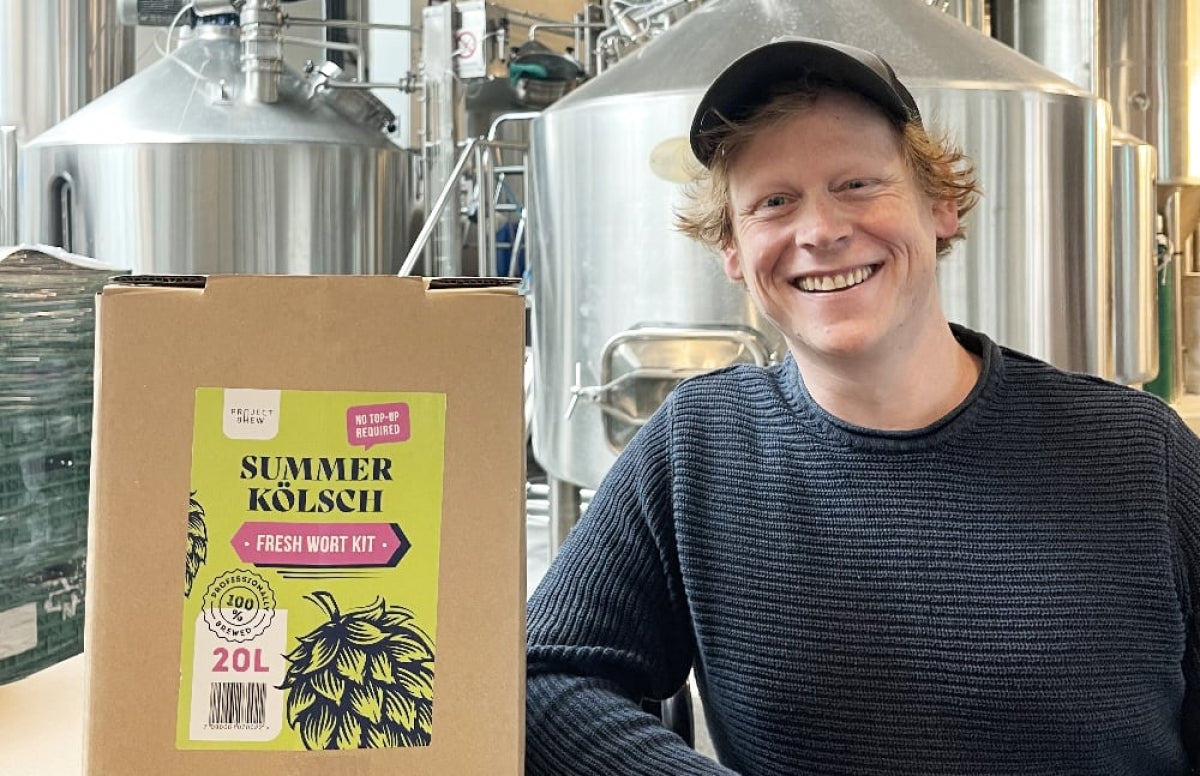
Brewing beer with a Fresh Wort Kit
A Fresh Wort Kit is 20 litres of ready-brewed wort that should not be mixed with water. Here is the equipment you need and the process from fermentation to bottles or keg.
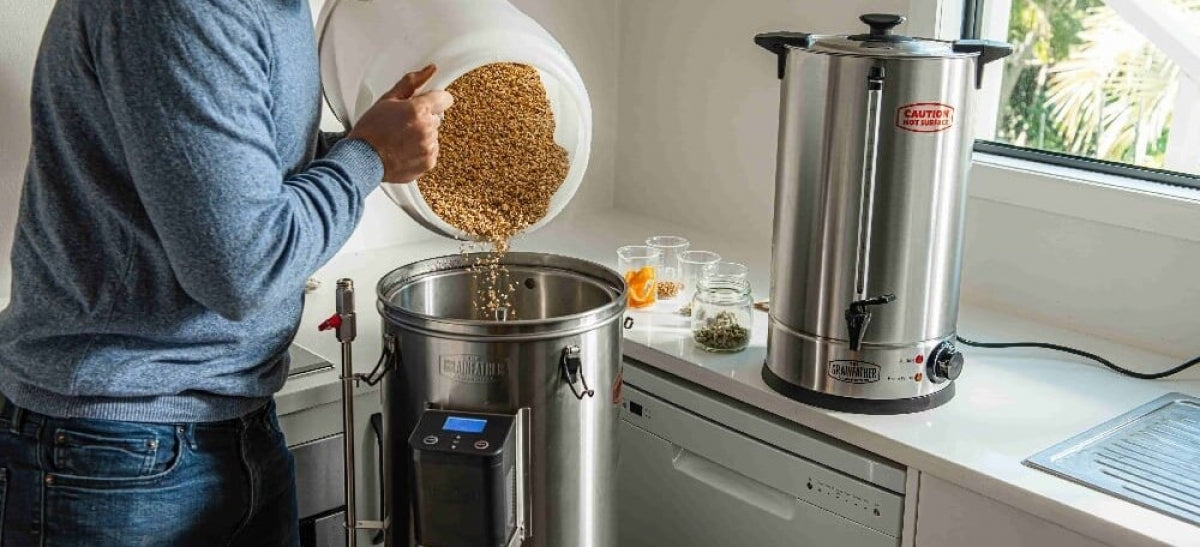
How to brew beer? A simple introduction for beginners
Brewing beer involves six steps, from mashing to bottling. Here we explain each step, the terms you'll come across as a beginner, and how to get started.