Enzymes and processing aids for breweries, wine and cider makers
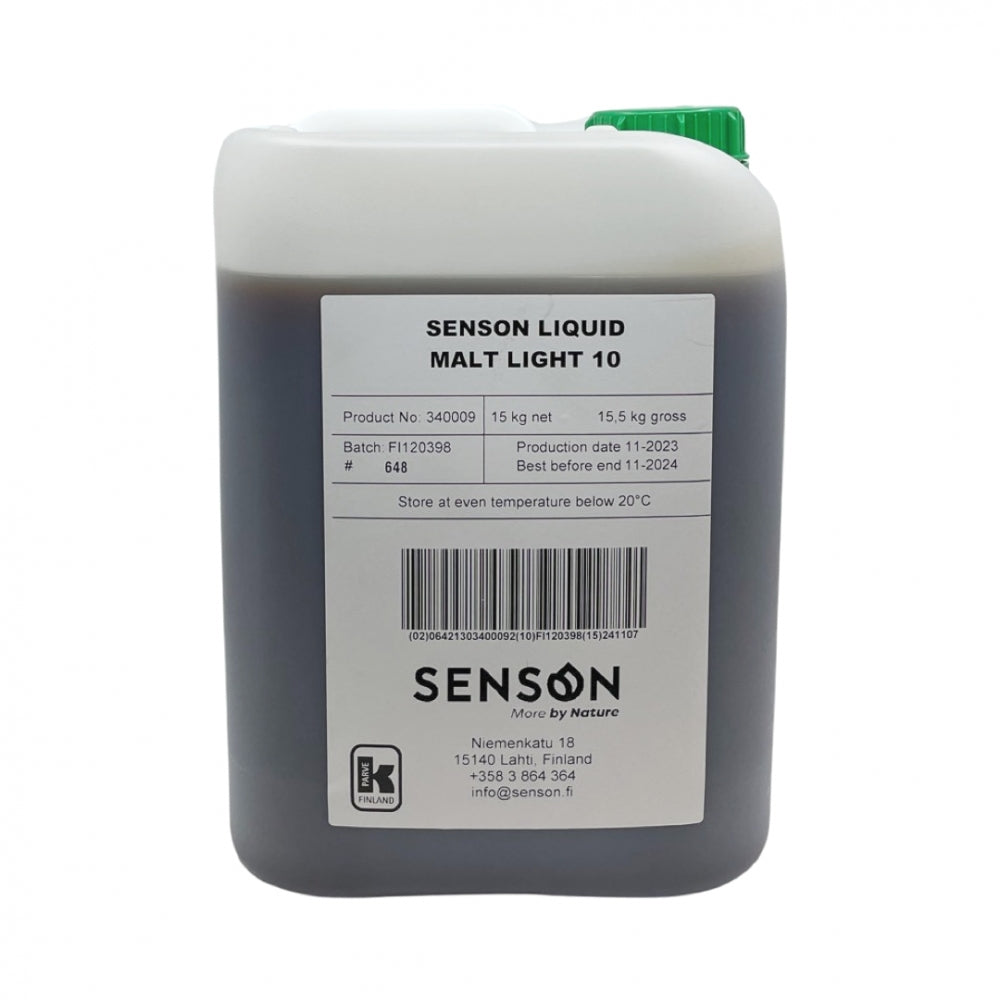
Here you will find enzymes and processing aids in trade packs: brewing enzymes from Murphy & Son, sulphite, acids, enzymes and lactic acid bacteria for wine and cider from Vinoferm and Lallemand, plus antifoam, rice hulls, liquid malt extract and oak chips. Pack sizes range from 100 g to 25 kg.
Please note: The professional range is only available in Norway.
Breaks down glucans, active from 40 to 75 °C with an optimum at 60 °C
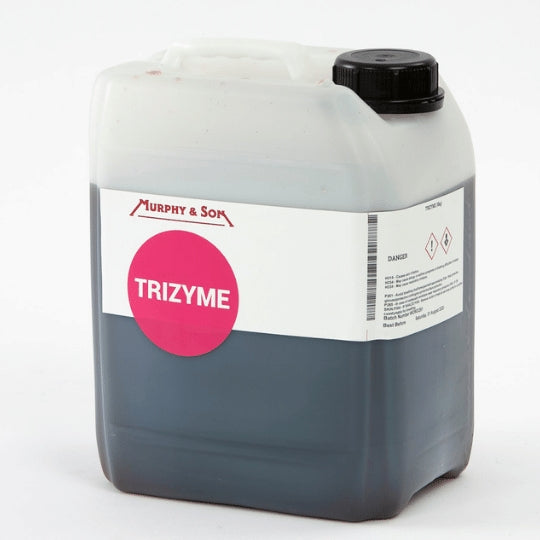
Trizyme 5 kg
Alpha-amylase, proteases and beta-glucanases
Evens out malt with uneven modification
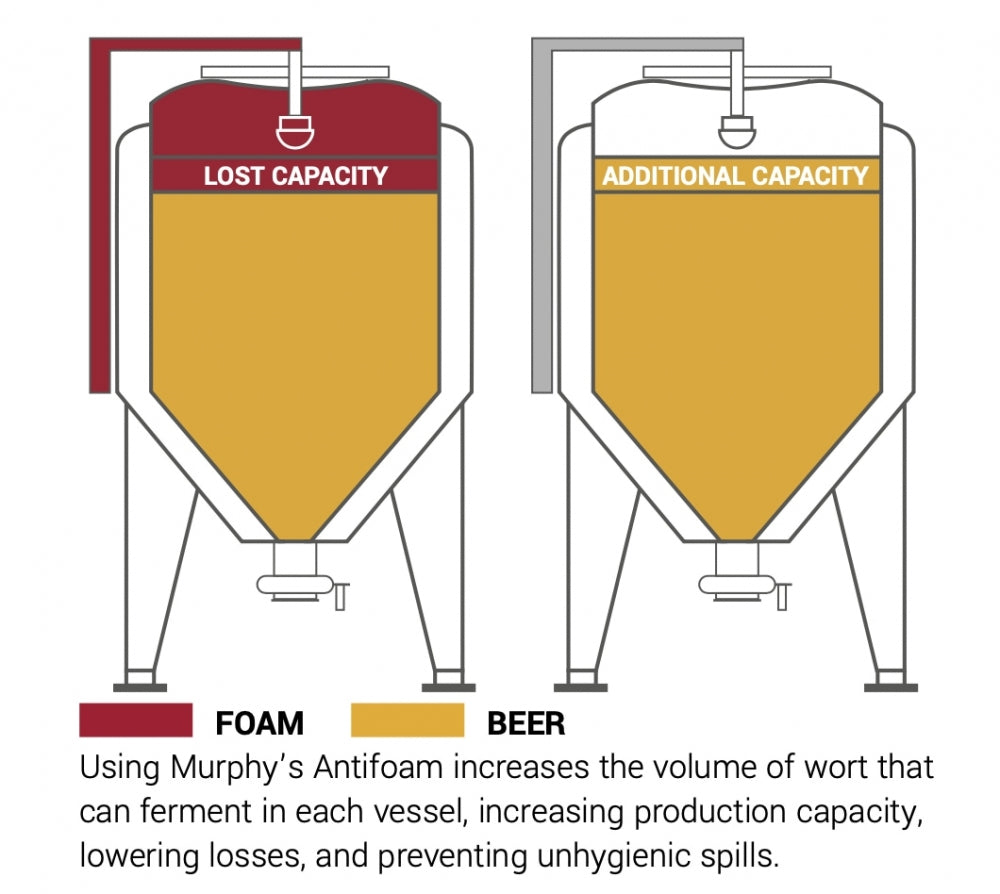
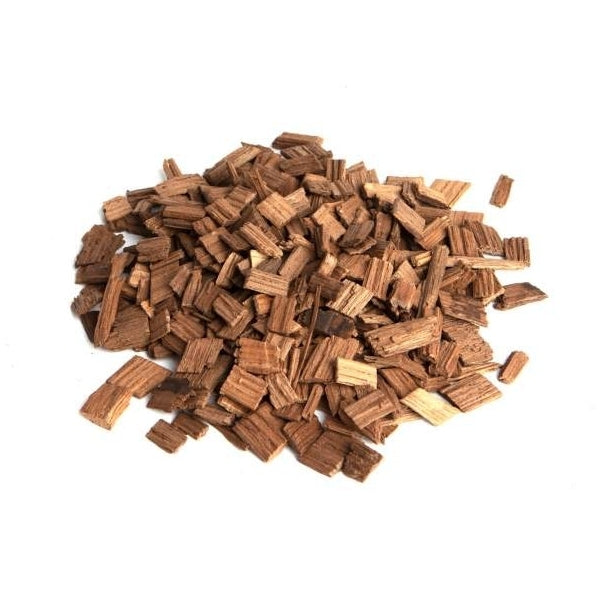
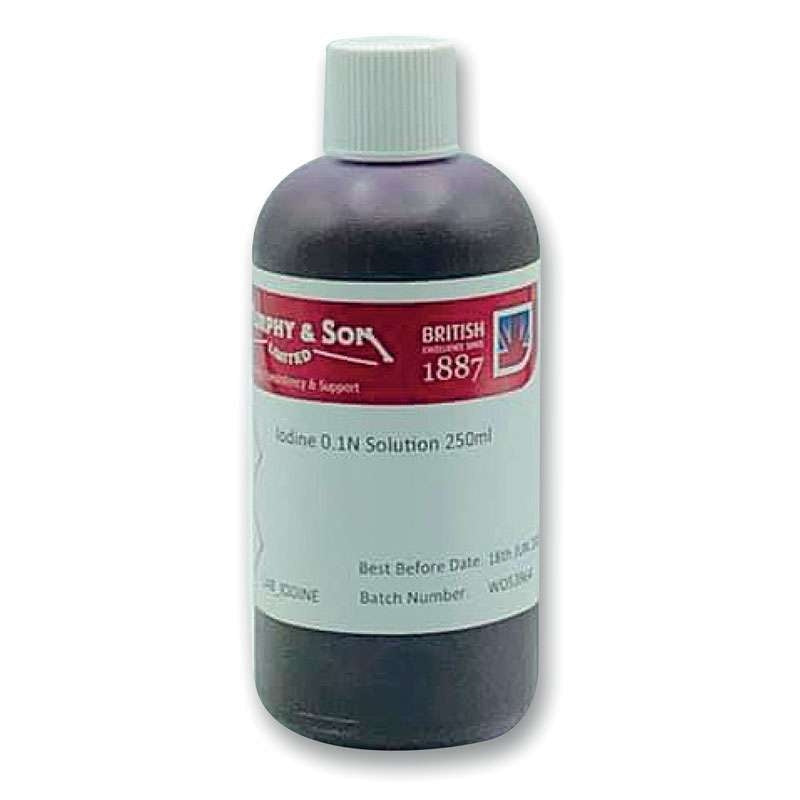
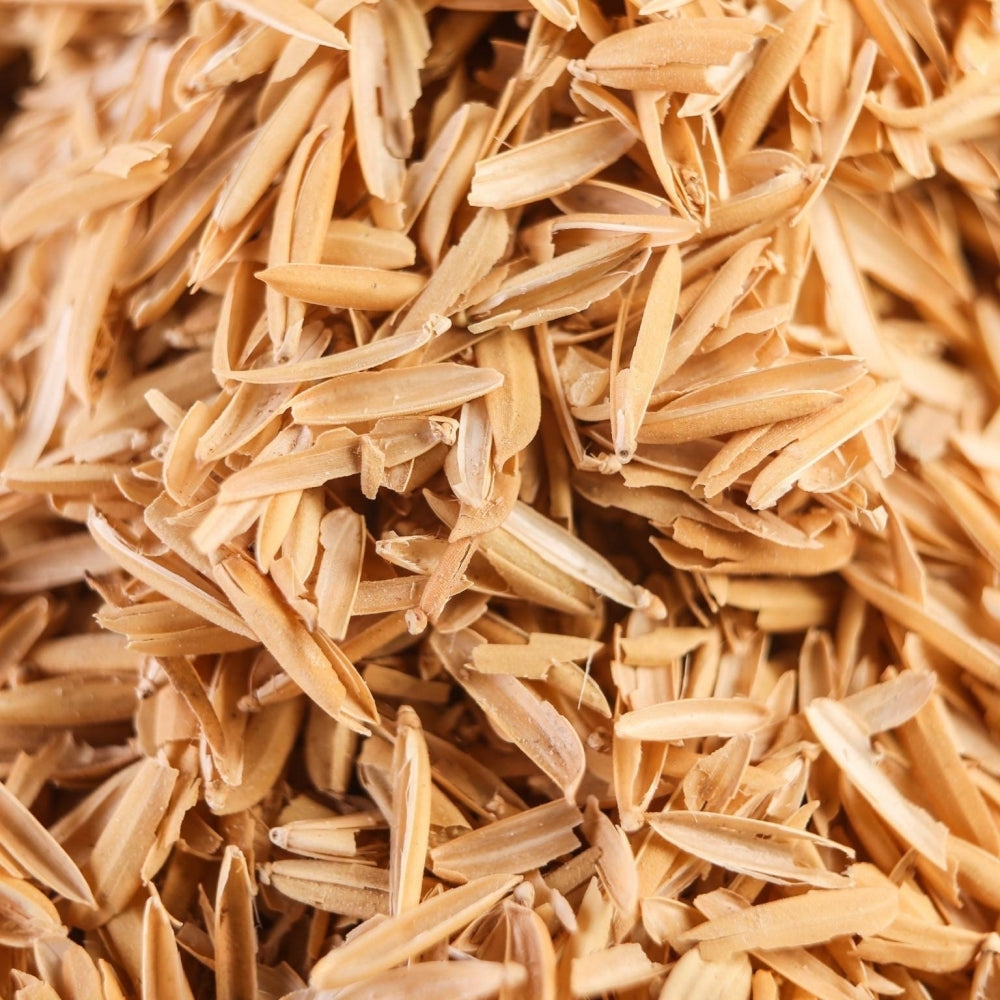
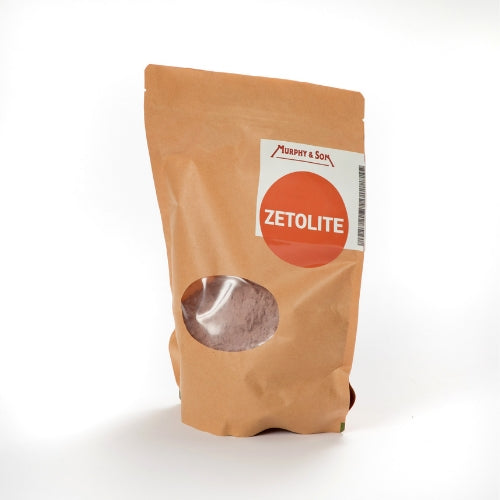
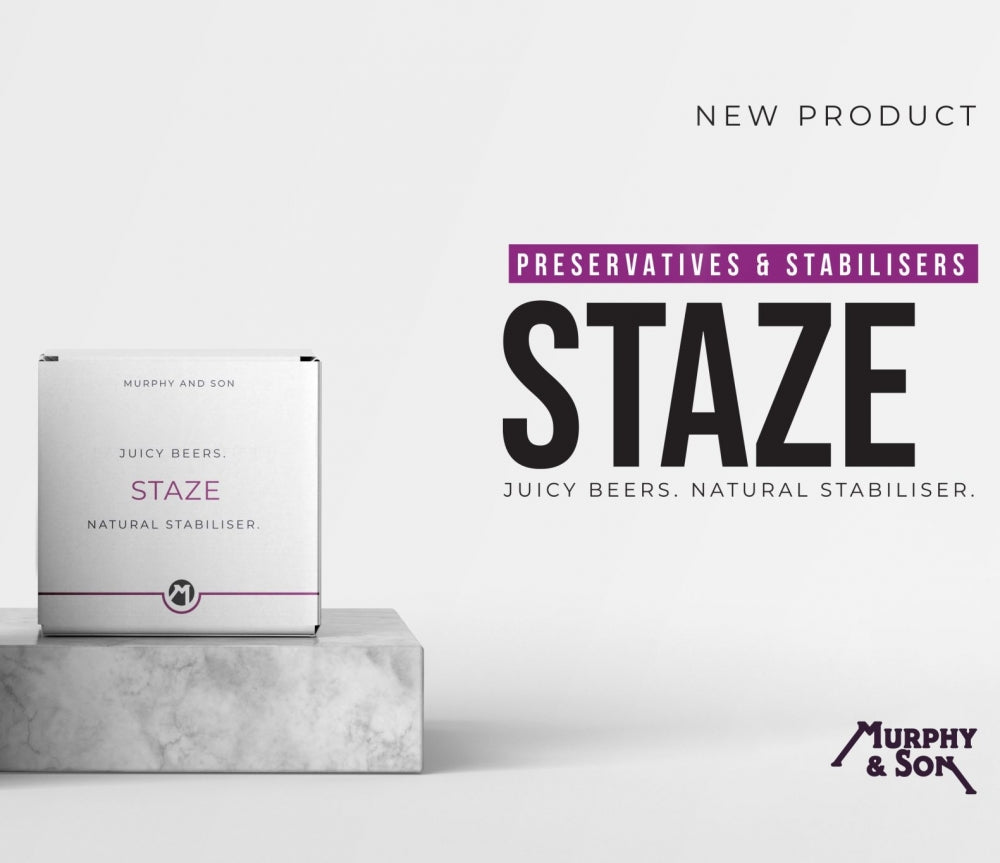
Other brewery aids include Staze for a stable, natural haze in hazy beers, ISY Enhance from Lallemand for more body and mouthfeel, Zetolite 63 against H2S and DMS, Refoam and Vinoferm Anti-Foam as silicone-based antifoams, and iodine solution for starch tests. Rice hulls in a 17 kg sack improve run-off in mashes with a lot of wheat, oats or rye.
For wine and cider
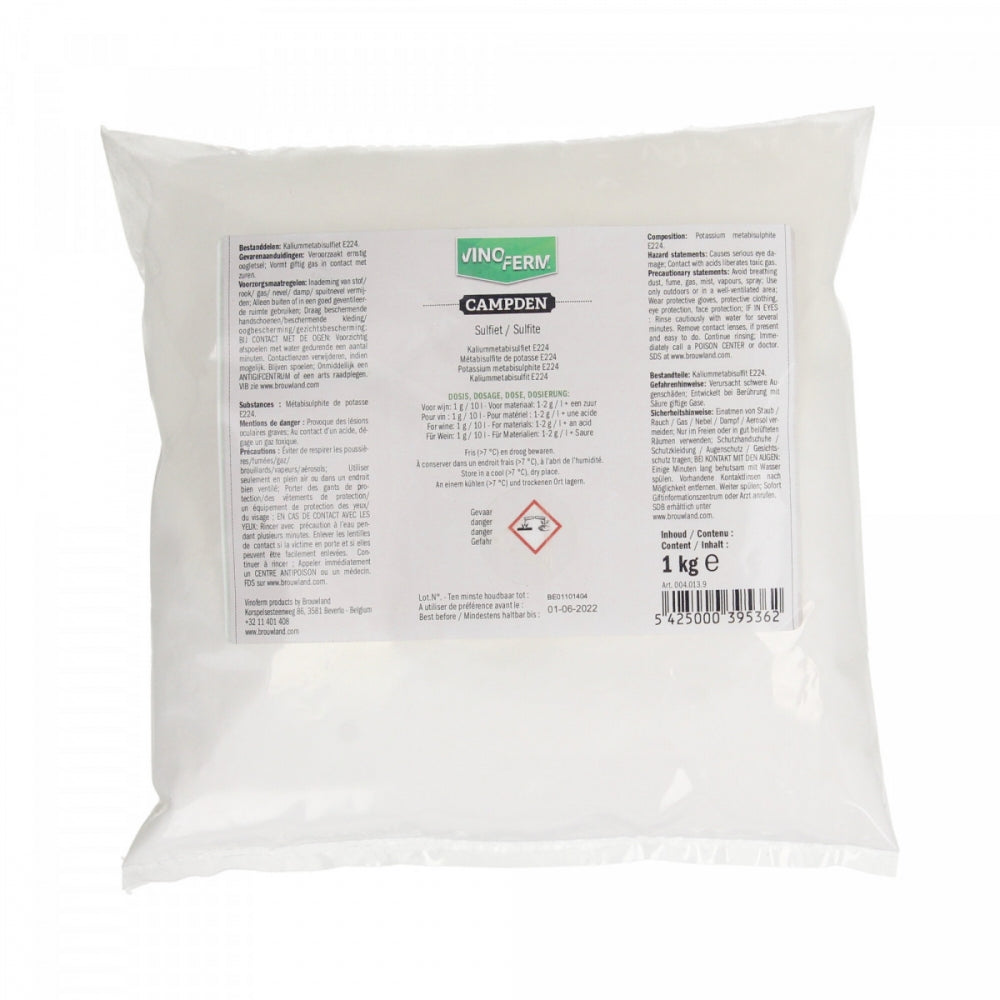
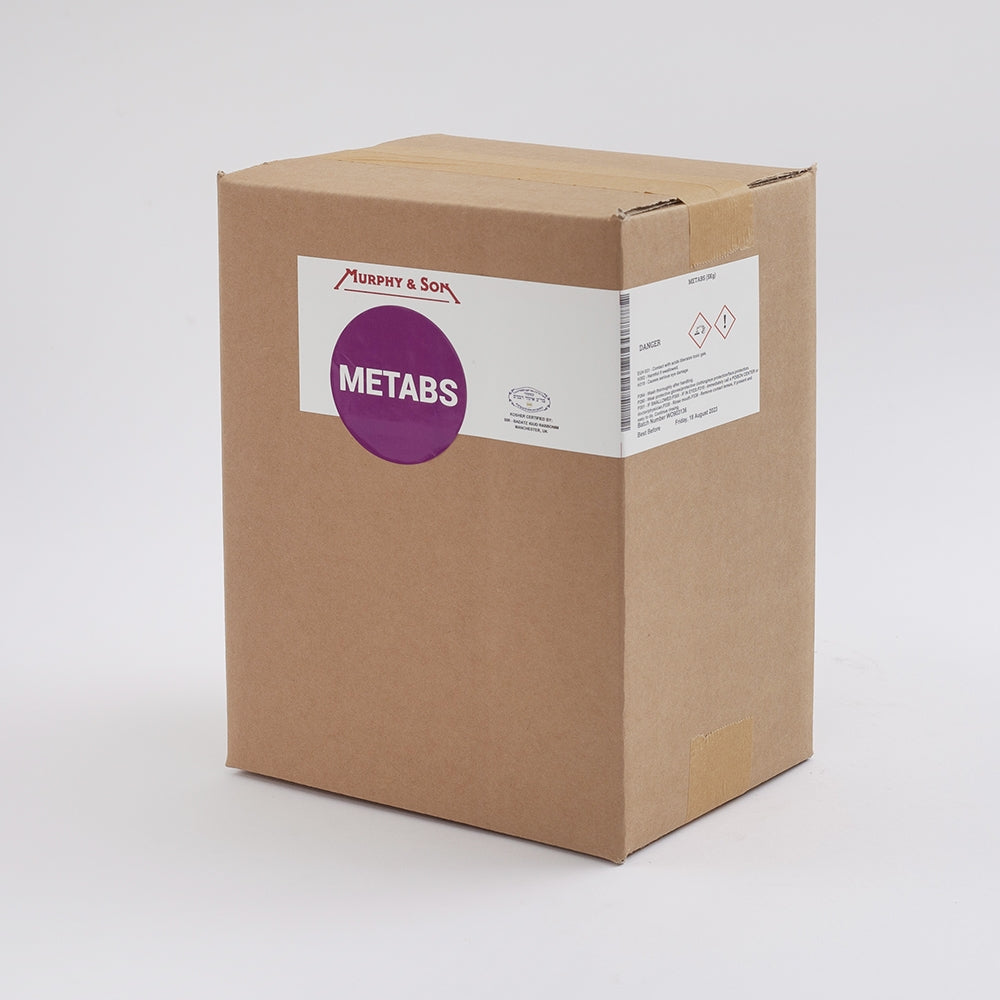
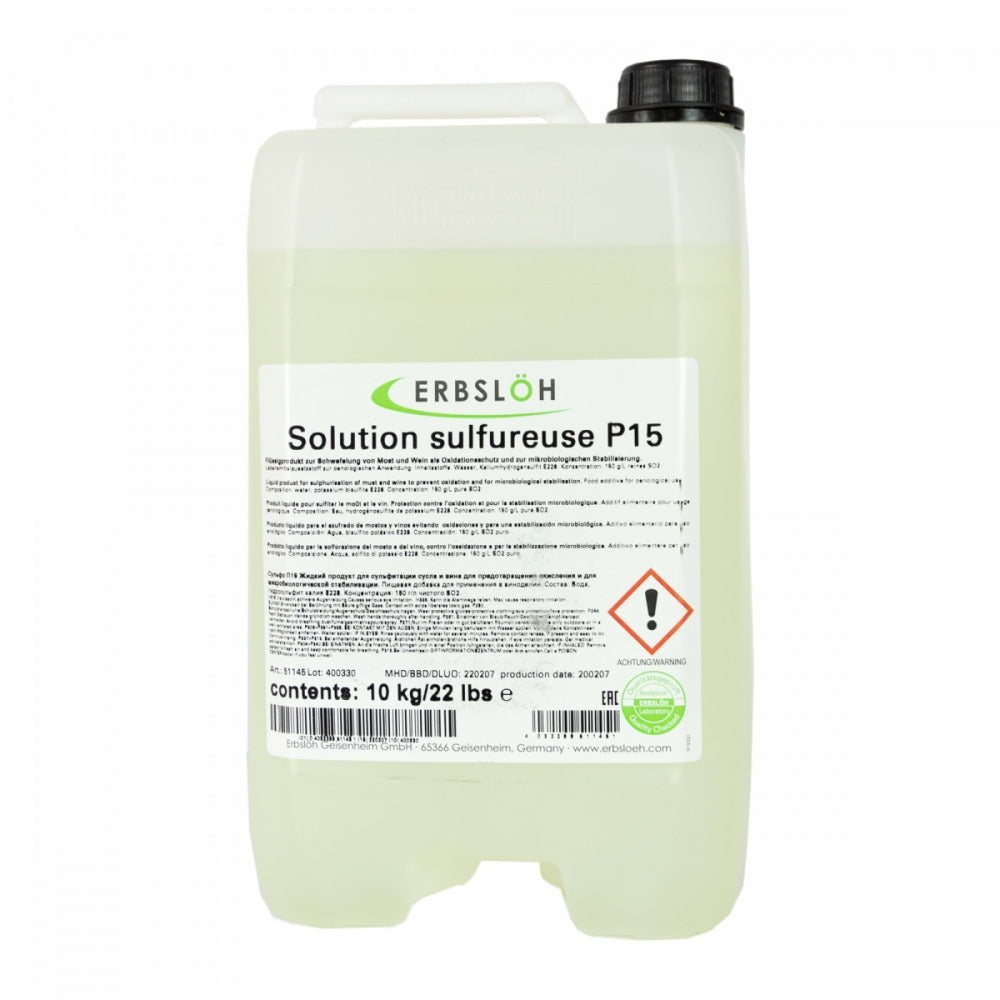
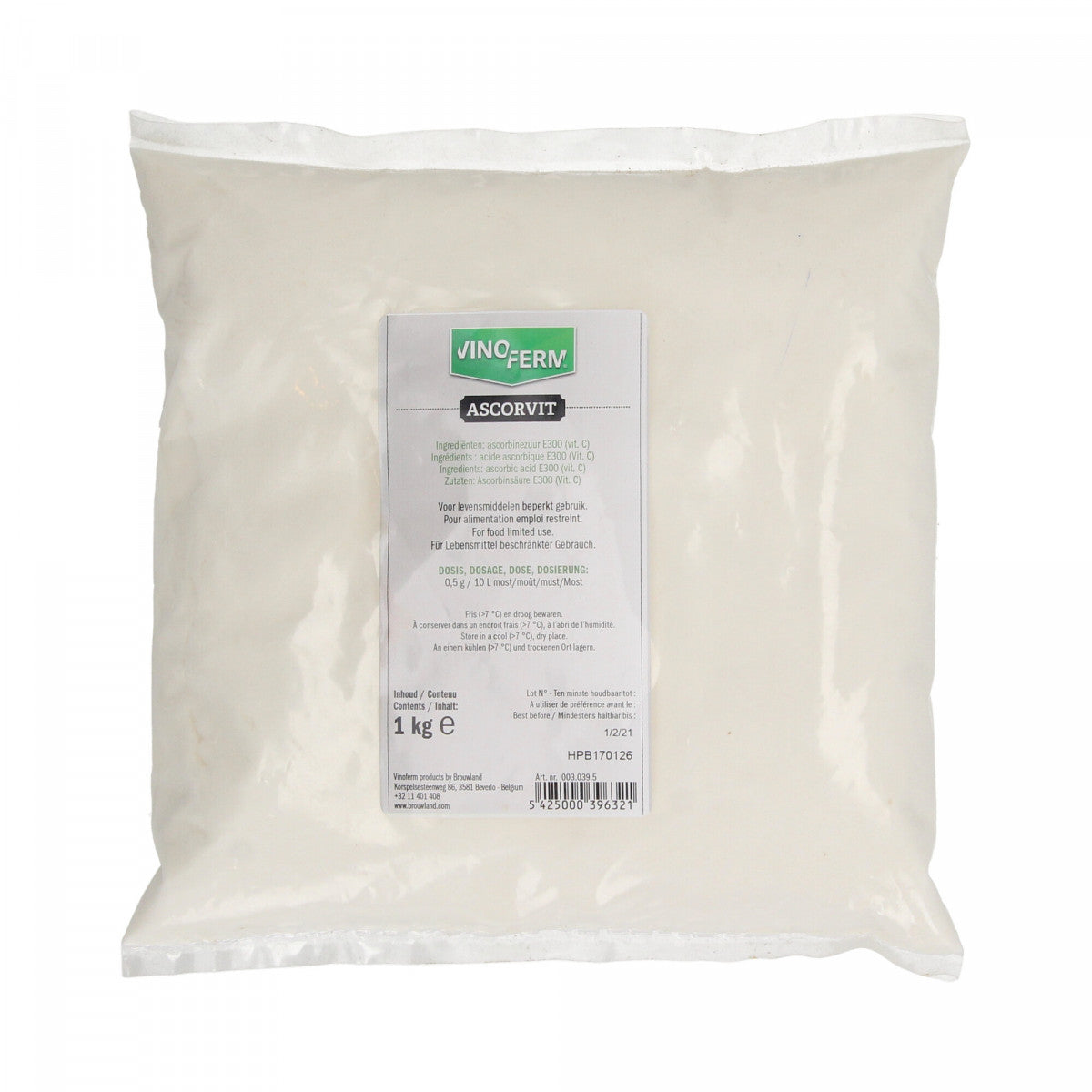
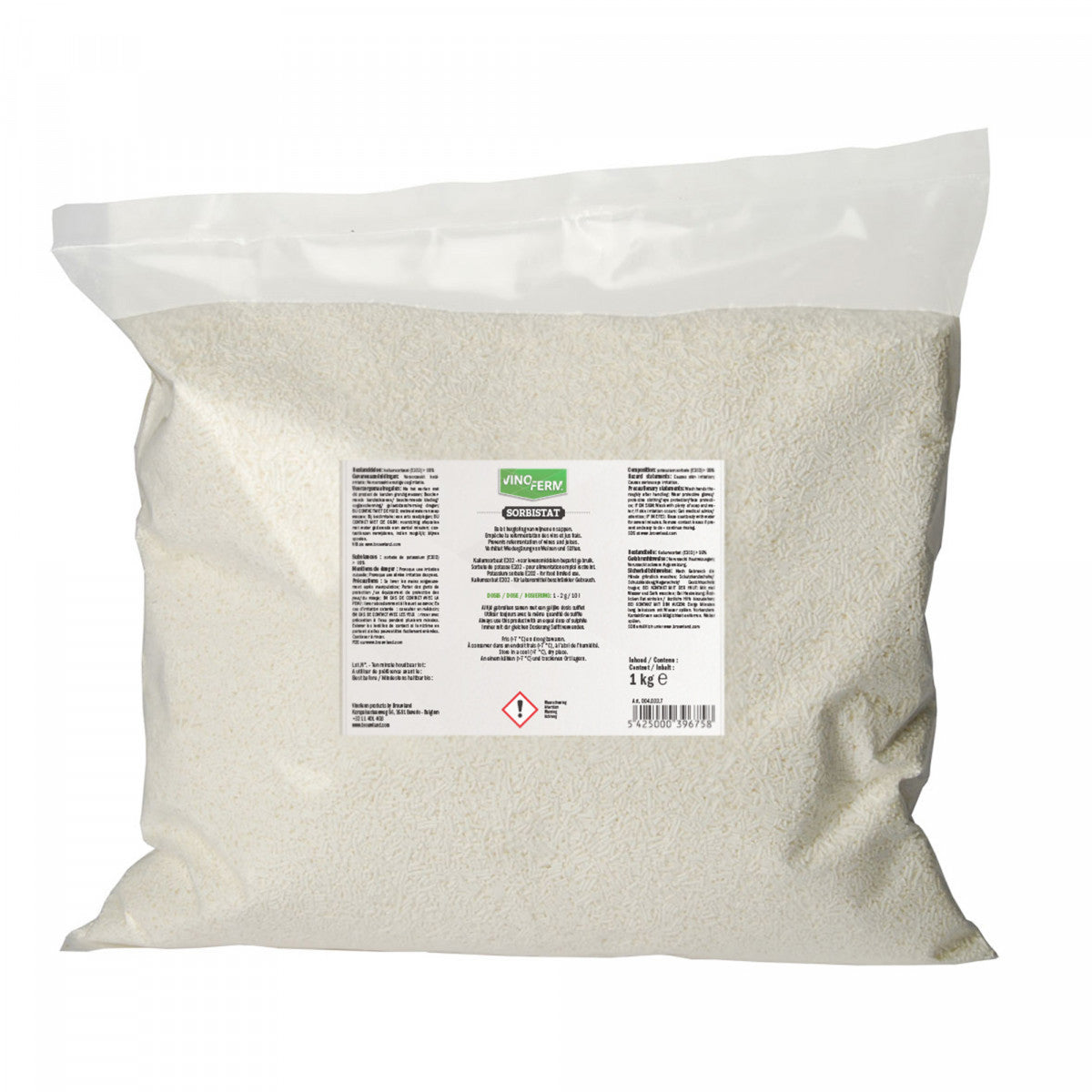
Sulphite and preservation:Campden 1 kg (potassium metabisulphite, 1 g per 10 litres of must or wine), Metabs tablets, Erbslöh liquid sulphite P15, potassium sorbate (Sorbistat) and ascorbic acid as an antioxidant.
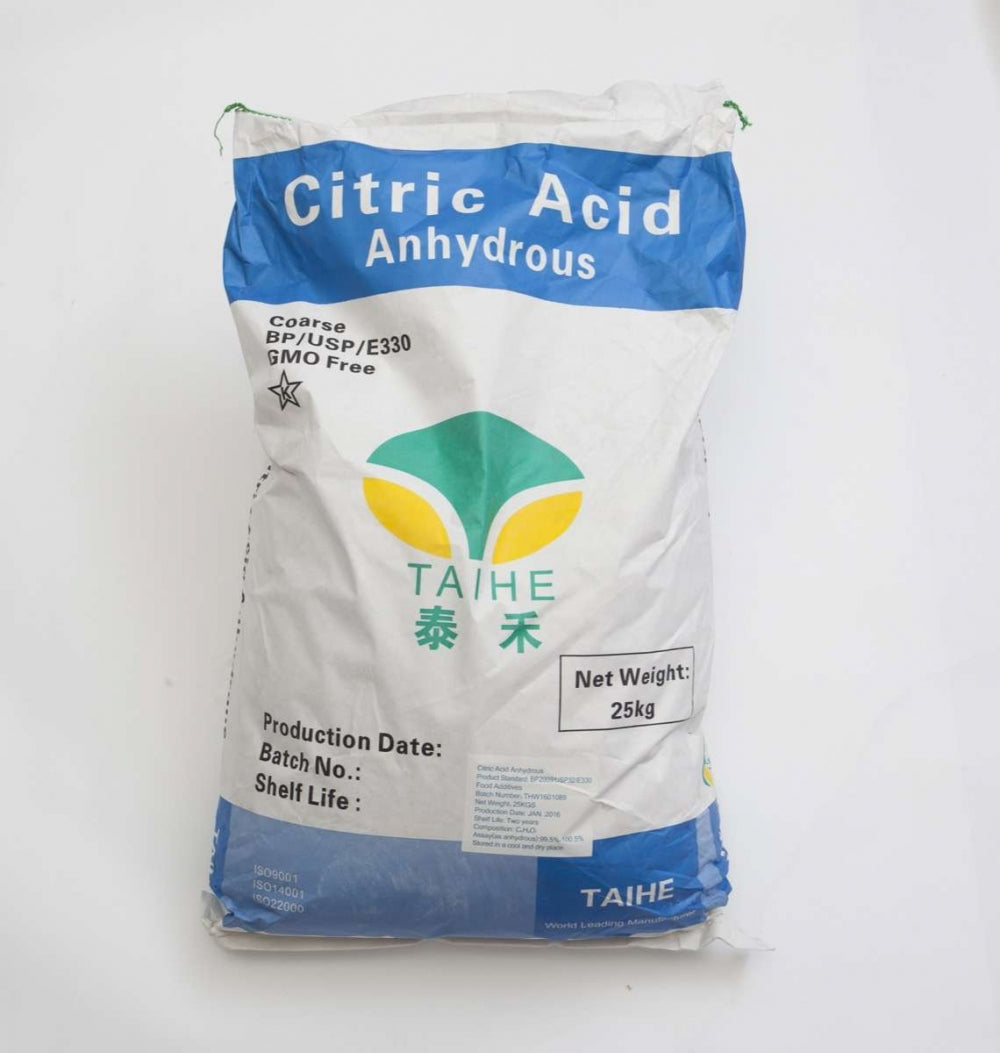
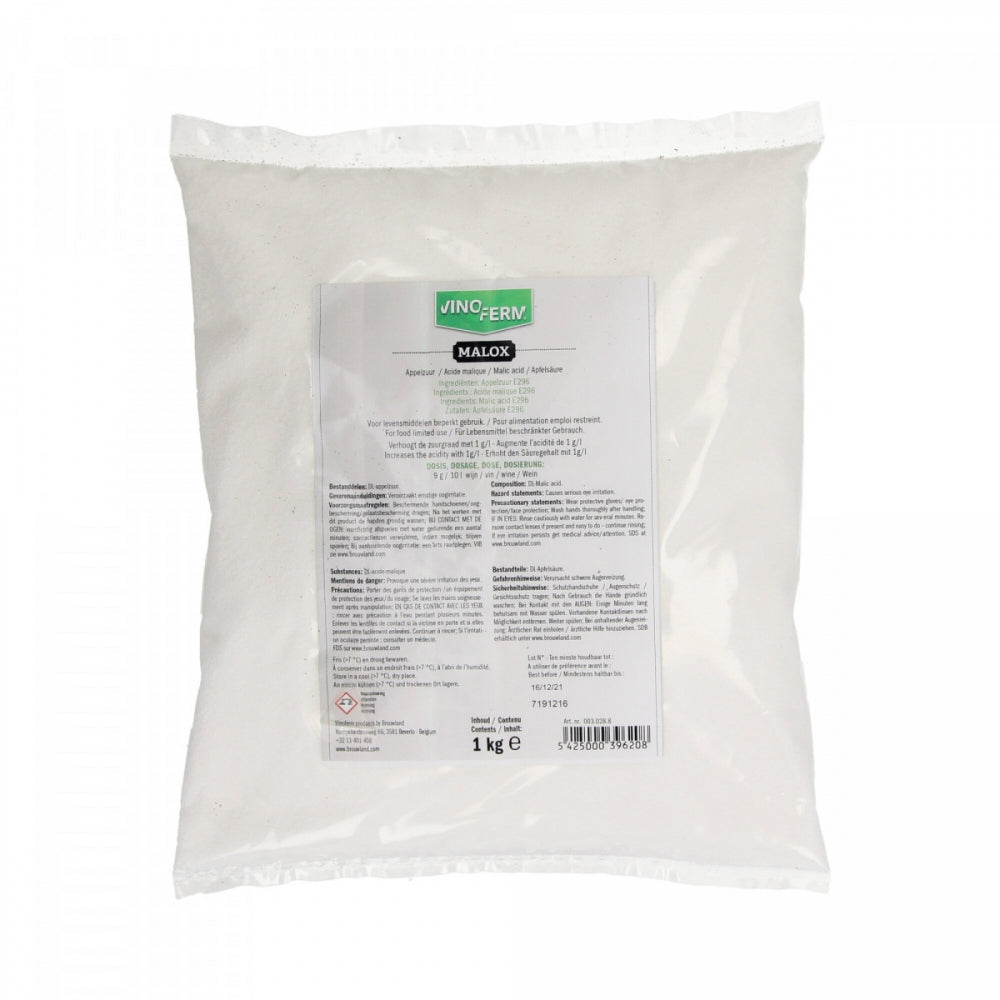
Acid adjustment:Tartaric acid in 1 and 25 kg, where 10 g per 10 litres raises acidity by 1 g/l, malic acid (Malox) and citric acid in 25 kg.
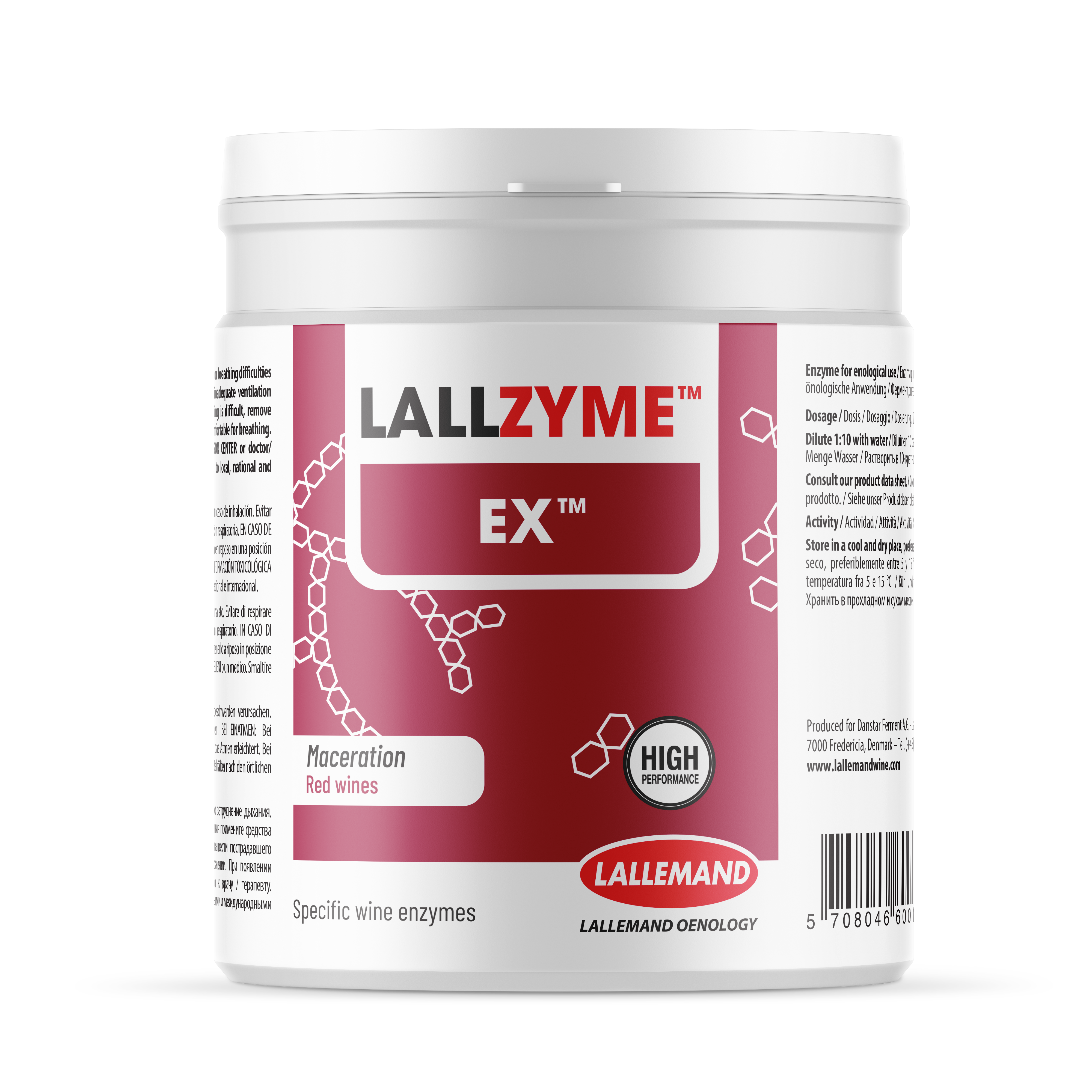
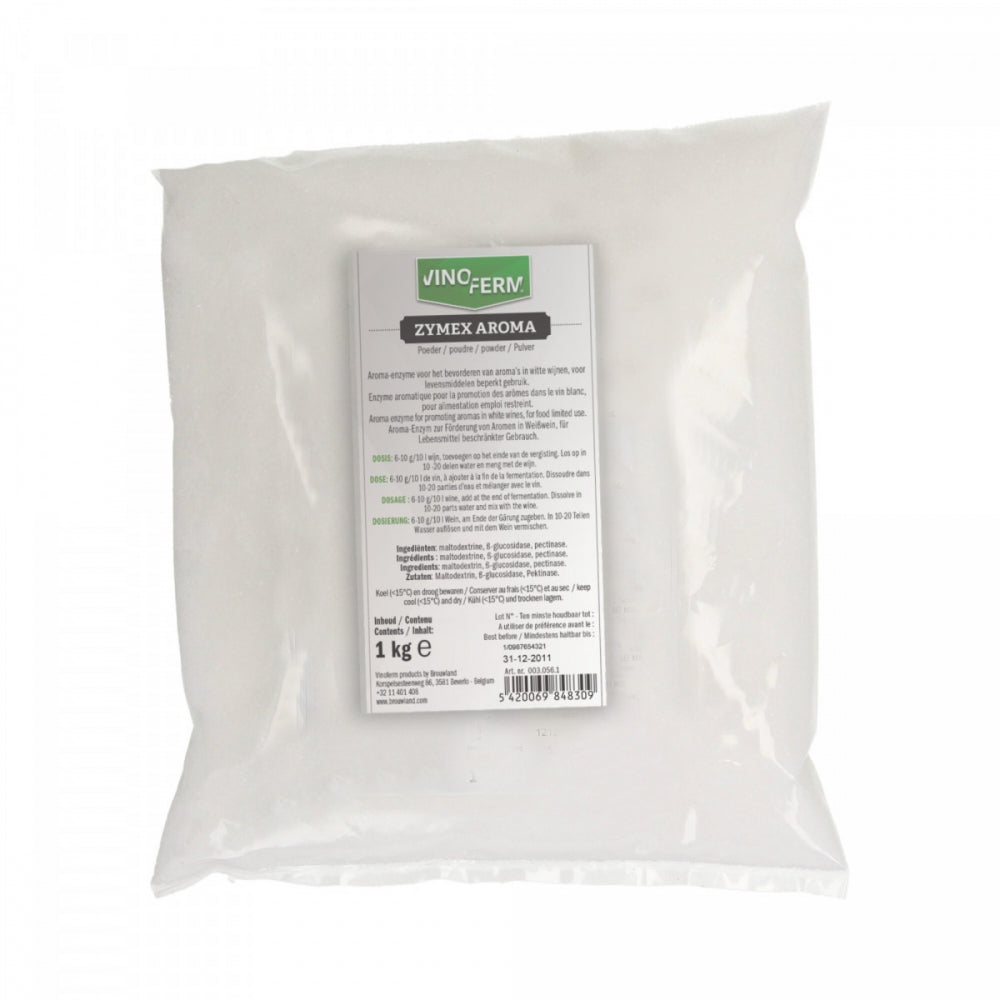
Enzymes: Zymex Aroma (pectinase for white wine) and Lallzyme EX from Lallemand for maceration of red and rosé wine.
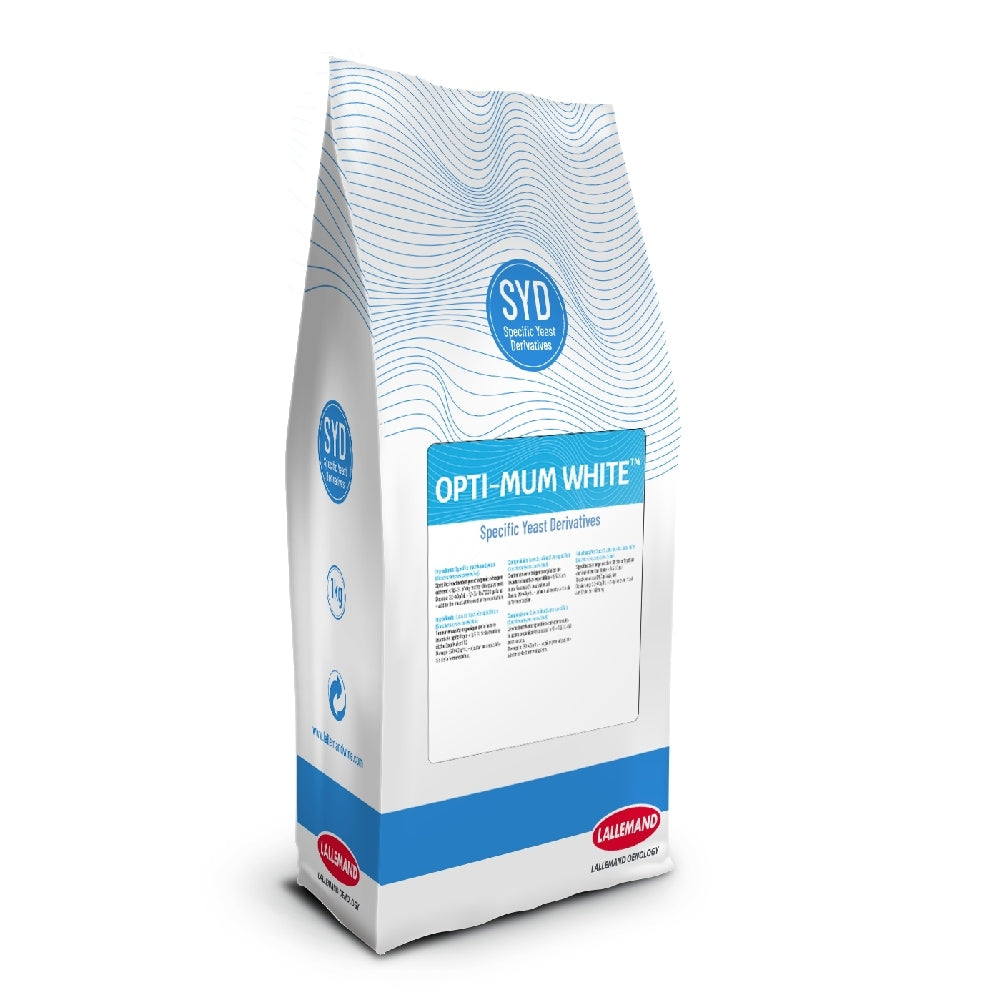
Malolactic fermentation: Enoferm Alpha lactic acid bacteria and the ACTI-ML nutrient from Lallemand, plus OptiMUM White as an antioxidant for white wine.
Frequently asked questions about enzymes and additives
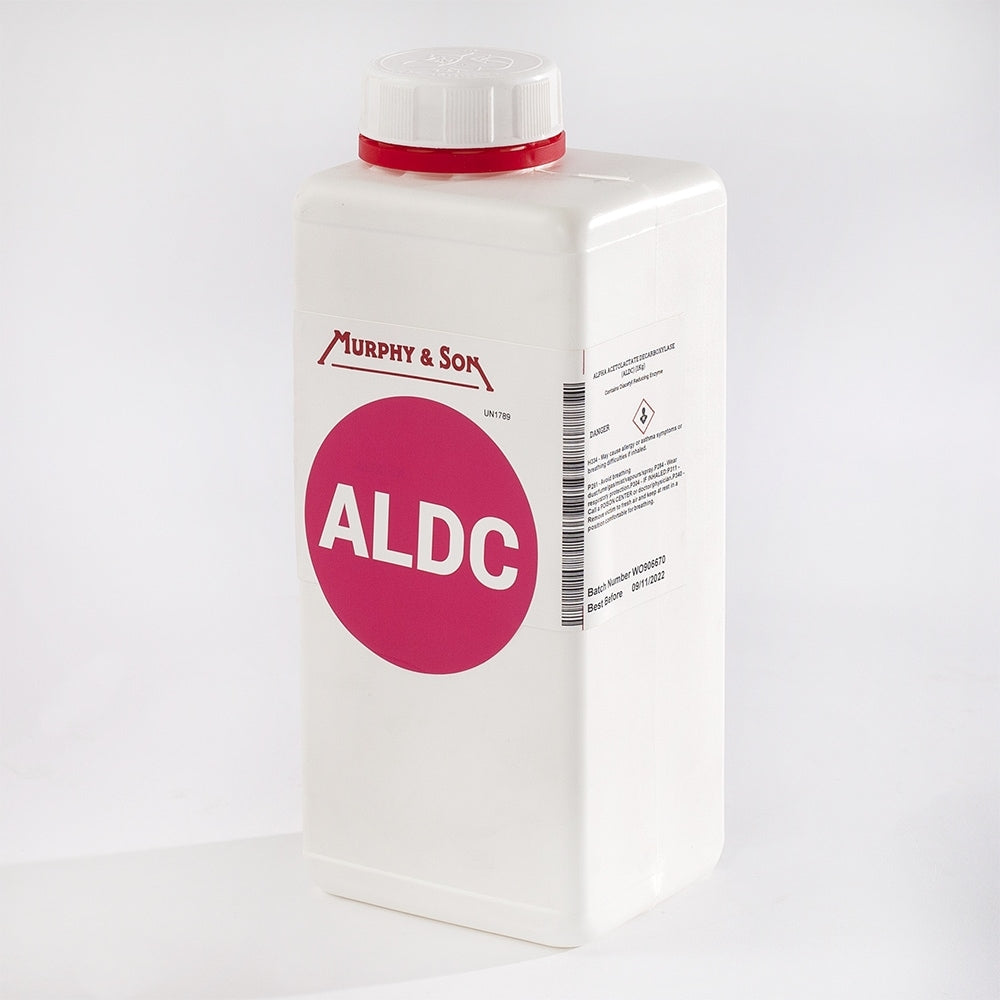
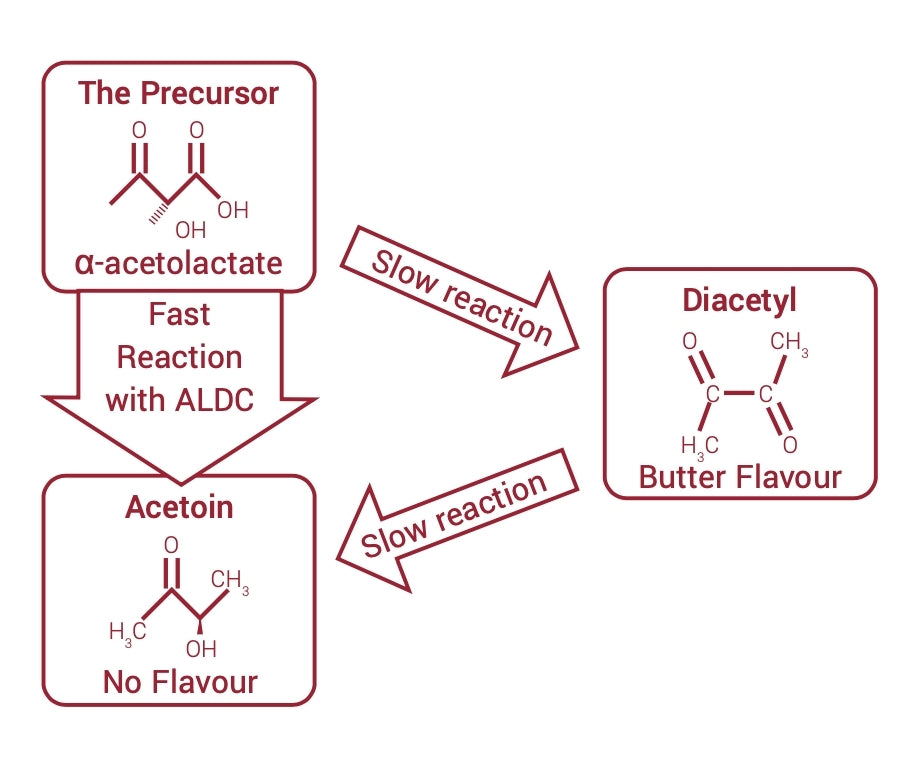
What does ALDC do in beer?
ALDC converts alpha-acetolactate directly to acetoin, so no buttery diacetyl is formed. It is used especially in dry-hopped beer, where hop creep can restart fermentation and create diacetyl after the beer should be finished.
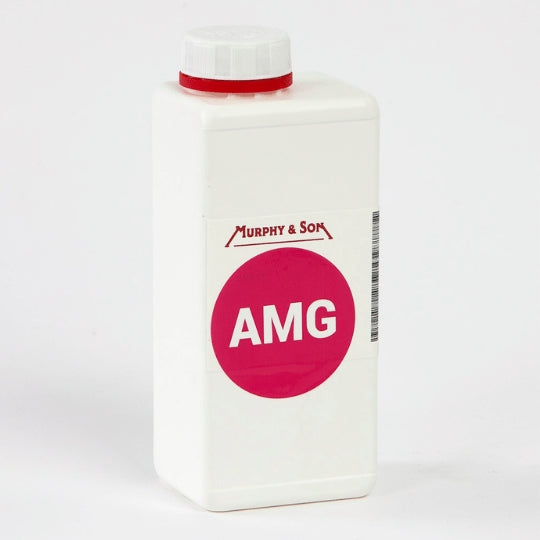
How do I brew a very dry beer?
Add glucoamylase (AMG) to the mash or fermenter. The enzyme breaks down dextrins that normal brewing yeast cannot ferment and gives an almost sugar-free beer. The method is used for brut IPA and low-carb beer.
How much Campden do I use in wine?
Vinoferm specifies 1 g of Campden per 10 litres of wort, must or wine. For sanitising equipment, use 1–2 g of Campden and 0.5 g of citric acid per litre of water.
How do I raise the acidity of wine?
With tartaric acid, 10 g per 10 litres raises acidity by 1 g/l. With malic acid (Malox), 9 g per 10 litres gives the same increase. Measure acidity before and after.