Category
18 products
Showing 1 - 18 of 18 products
Enzymes and other additives – for beer, wine and cider
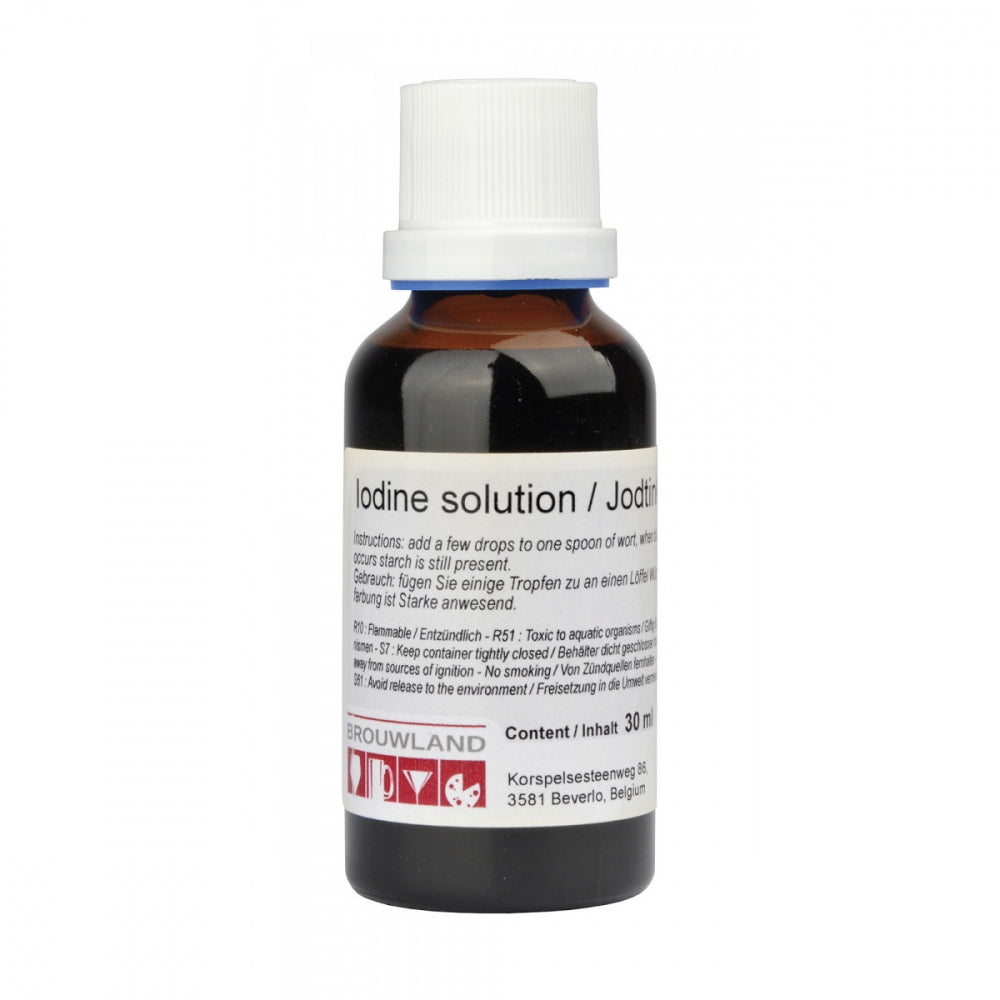
This is where you find the aids that control fermentation, flavour and shelf life: enzymes for beer, acids and tannins for wine, Campden and Sorbistat for stabilising, antifoam and iodine solution for starch testing. The range includes products from Vinoferm, White Labs and Lallemand, and most have a stated dosage per 10 litres.
How to choose the right additive
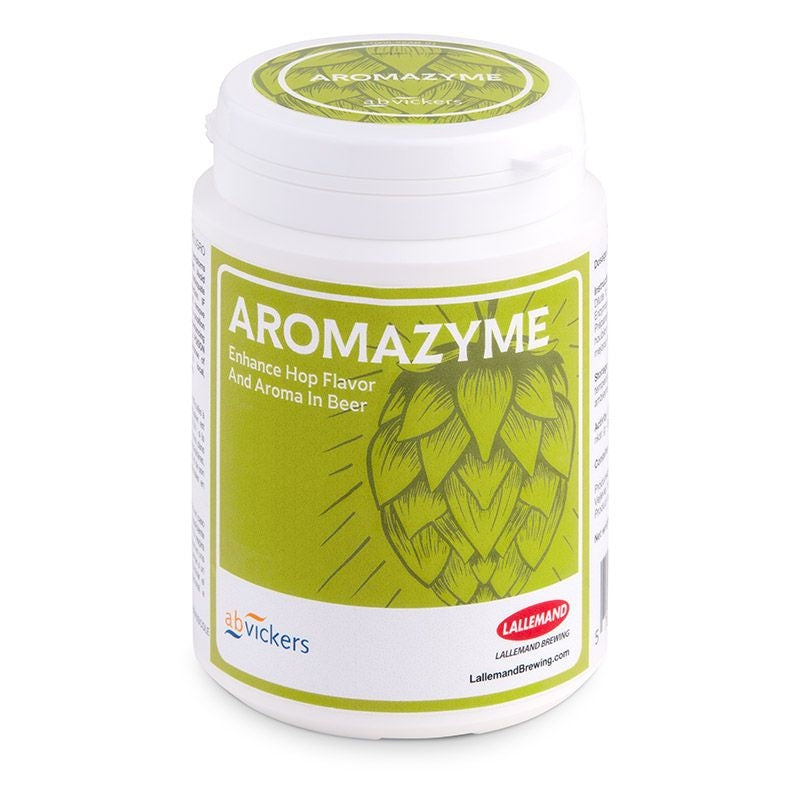
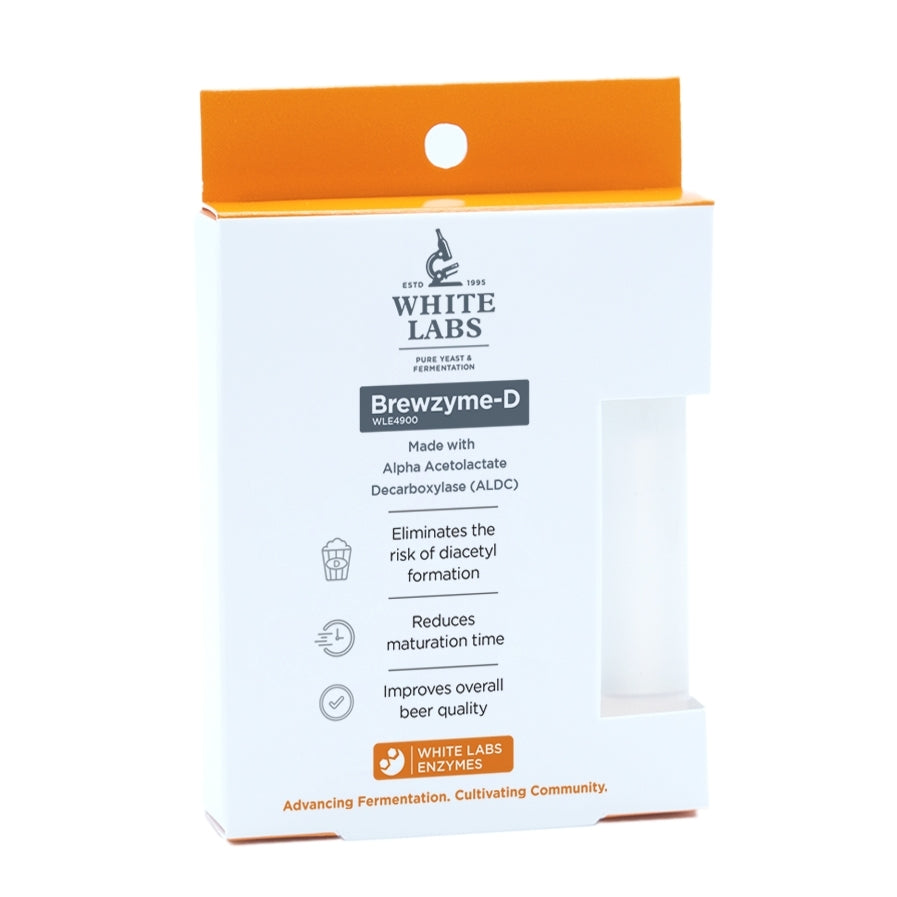
- Enzymes for beer: Ultra-Ferm from White Labs gives a drier beer, and 10 ml is dosed for 20 litres. Brewzyme-D (ALDC) prevents diacetyl and hop creep. Aromazyme from Lallemand increases fermentability and lifts hop aroma.
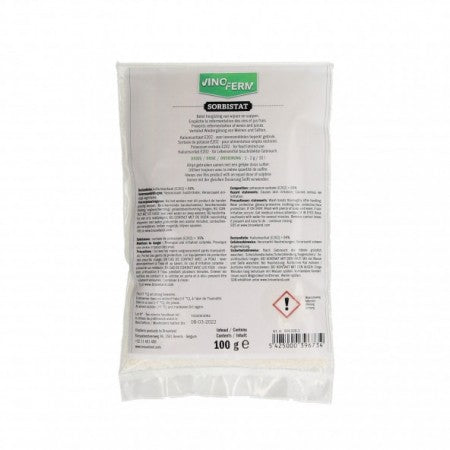
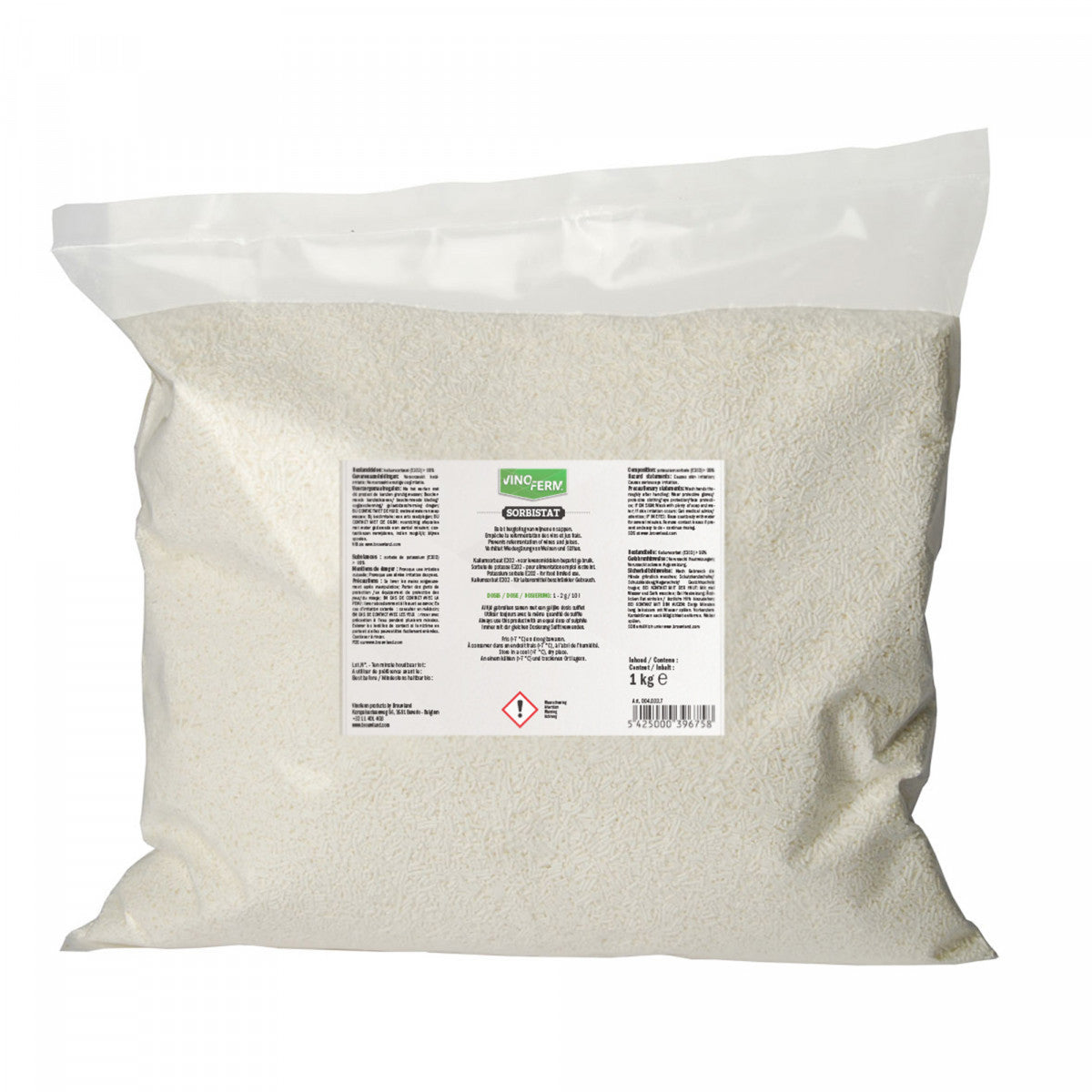
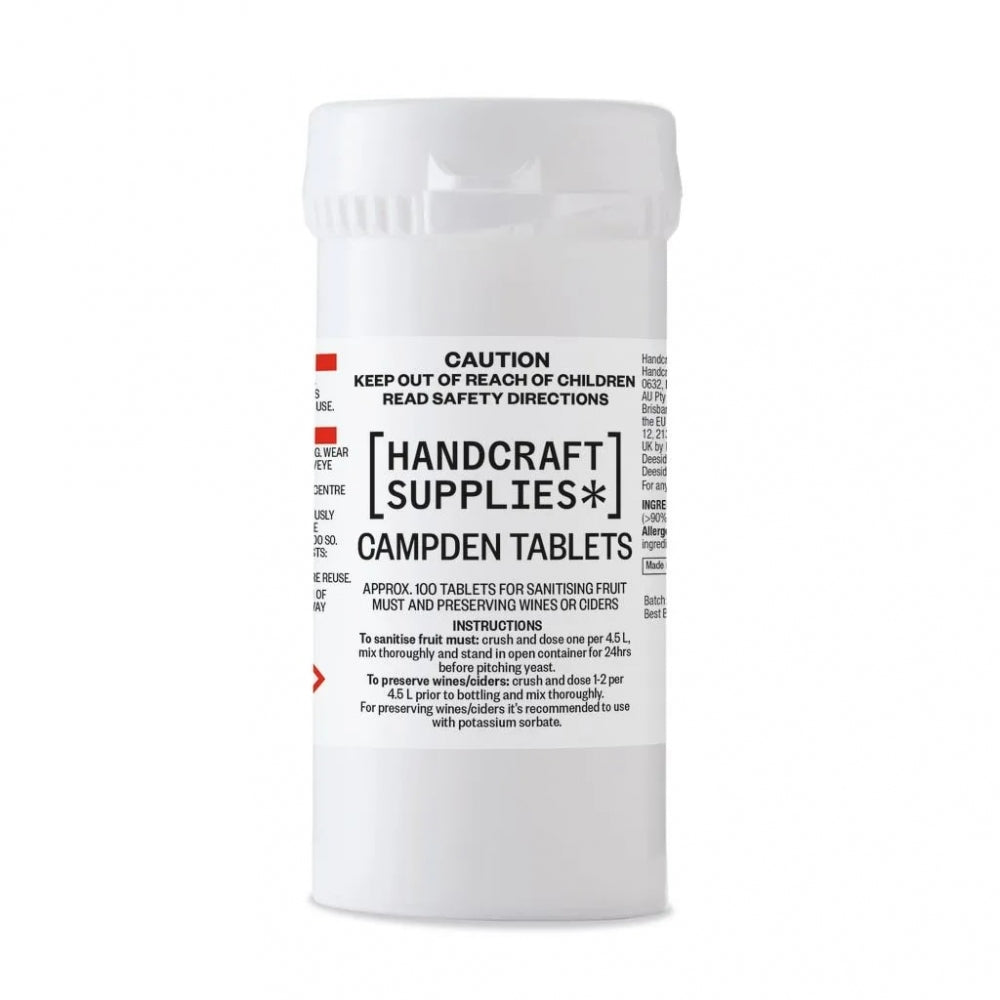
- Stabilising wine and cider: Sorbistat (potassium sorbate, E202) prevents yeast and mould growth after fermentation and is used together with sulphite. Campden powder is dosed at 1 g per 10 litres of must or wine, and is also available as tablets.
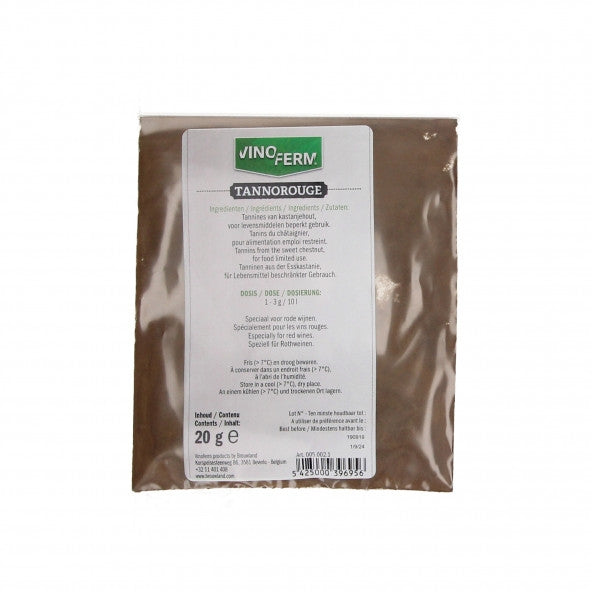
- Acidity and structure in wine: Malic acid (Malox) raises acidity by 1 g/l at 9 g per 10 litres. Tannorouge is dosed at 1–3 g and Tannoblanc at 0.5–1 g per 10 litres.
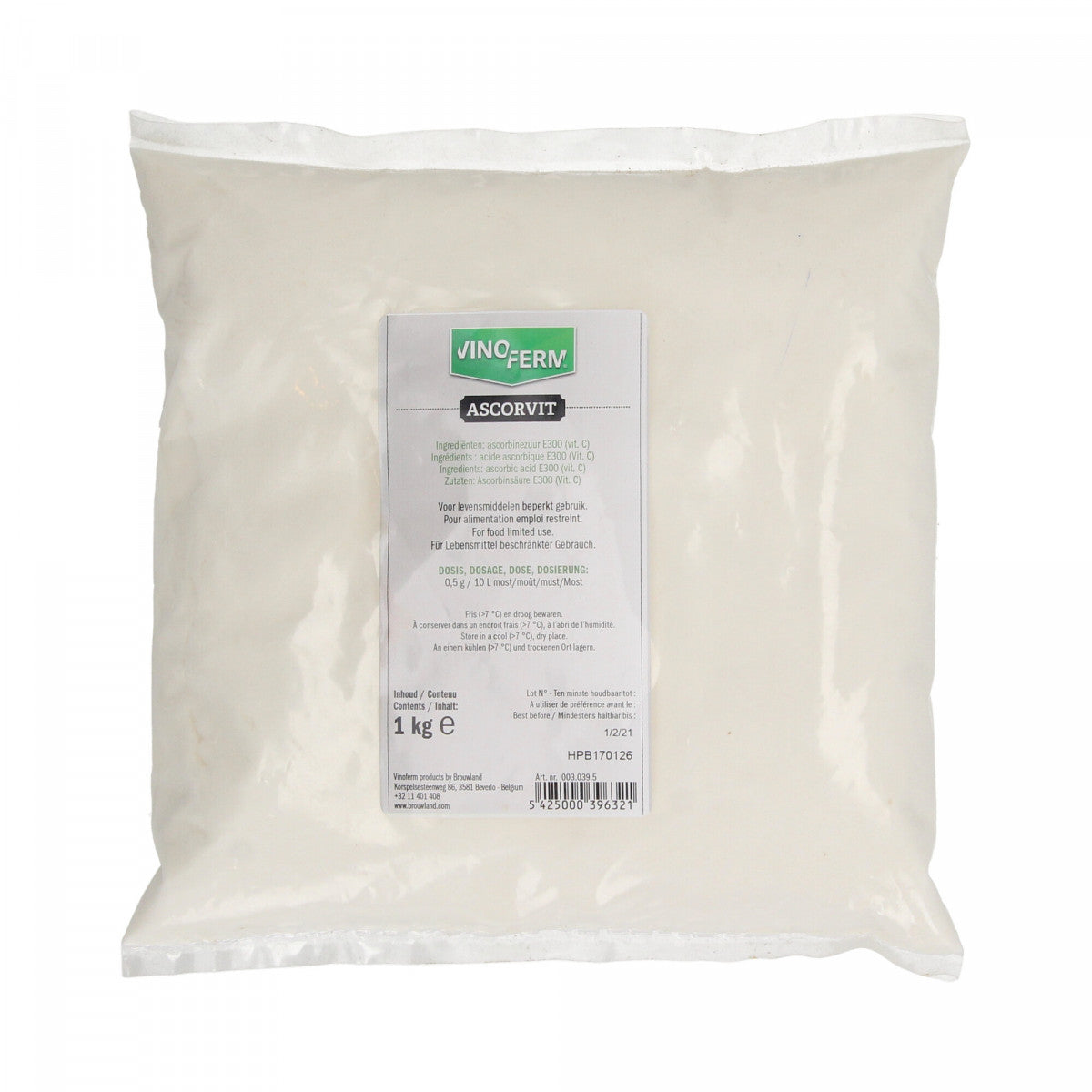
- Antioxidant: Ascorbic acid (vitamin C) binds oxygen, dosed at 0.5 g per 10 litres.
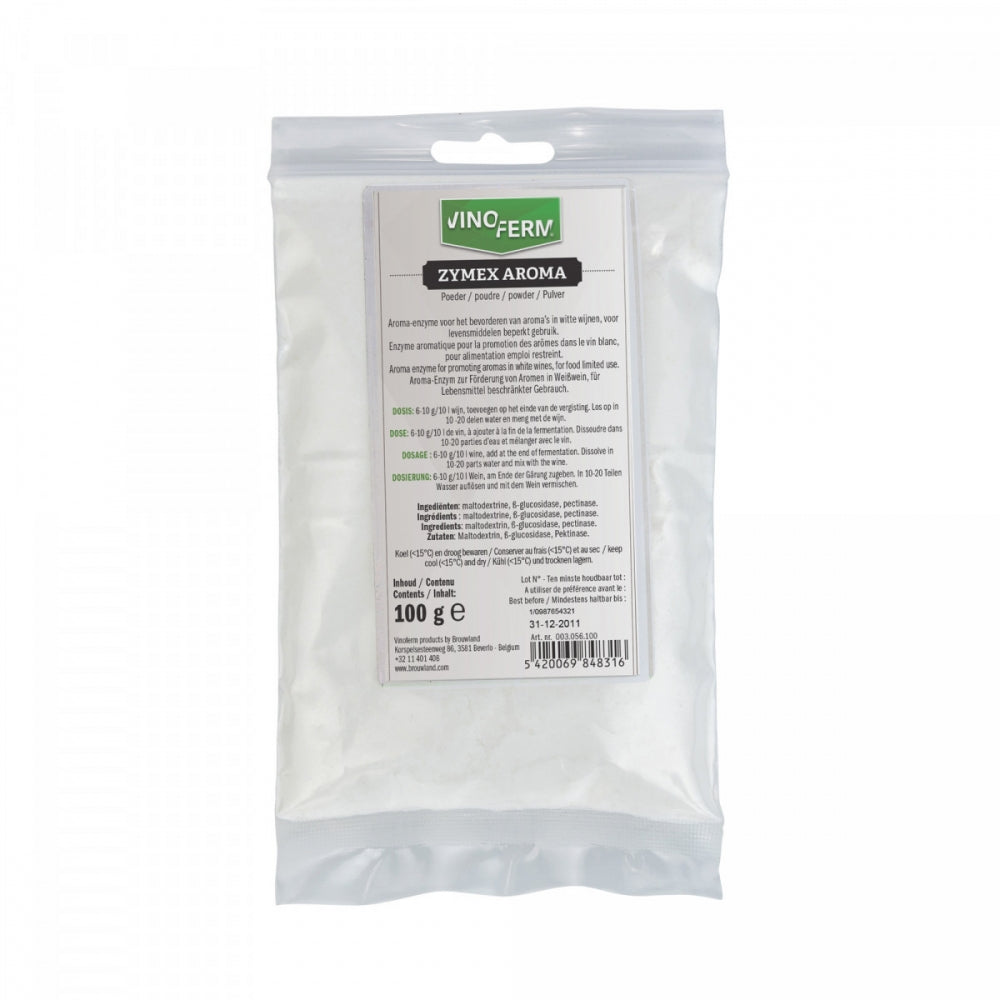
- Aroma in white wine: Pectinase Zymex Aroma is an enzyme that releases aroma in white wine.
Dosage overview
| Product | Use | Dosage |
|---|---|---|
| Campden powder | Sulphite for must and wine | 1 g per 10 litres |
| Ascorbic acid | Antioxidant | 0.5 g per 10 litres |
| Malic acid (Malox) | Raises acidity in wine | 9 g per 10 litres gives +1 g/l |
| Tannorouge | Tannins for red wine, at the start of fermentation | 1–3 g per 10 litres |
| Tannoblanc | Tannins for white wine | 0.5–1 g per 10 litres |
| Ultra-Ferm | Enzyme for a drier beer | 10 ml per 20 litres |
To sanitise equipment, Campden can be used at 1–2 g with 0.5 g citric acid per litre of water. Always use acid together with Campden when sanitising. Vinoferm Anti-Foam is silicone-based, odourless and tasteless, and prevents foaming.
Breweries will find a wider selection under enzymes and more in the professional range, available in Norway only.
Frequently asked questions about enzymes and additives
What is Campden used for?
Campden is potassium or sodium metabisulphite. It is used to sanitise fruit must before fermentation, to preserve finished wine and cider, and with citric acid to sanitise equipment.
What is the difference between Sorbistat and Campden?
Sorbistat (potassium sorbate) stops yeast from reproducing, while Campden (sulphite) protects against oxidation and microbes. To back-sweeten wine or cider after fermentation, use both to avoid renewed fermentation.
What does Brewzyme-D do?
Brewzyme-D contains the enzyme ALDC, which prevents diacetyl from forming during fermentation. It also reduces the risk of hop creep, where dry hopping restarts fermentation.
How do I test whether the mash is complete?
Put a small wort sample on a light surface and add a couple of drops of iodine solution. If the sample changes colour, there is still starch left and the mash needs more time.
Related
- Finings – bentonite, gelatine, kieselsol and Super-Kleer.
- Yeast nutrients – for beer, wine, mead and cider.
- Water treatment – salts and lactic acid for brewing water.
- Wine yeast – yeast for red, white and fruit wine and mead.
- All brewing additives