Category
46 products
Showing 1 - 46 of 46 products
Sugar and flavourings for brewing – sugar, spices and oak
Here you will find sugar and flavourings for beer and cider: dextrose and carbonation drops for priming, Belgian candi syrup, lactose and maltodextrin, sweeteners for cider, dried spices and peel, and oak chips for barrel character. The key difference is whether the sugar ferments out and adds alcohol, or stays in the drink as sweetness and body.
How to choose the right sugar
| Product | Ferments? | Used for |
|---|---|---|
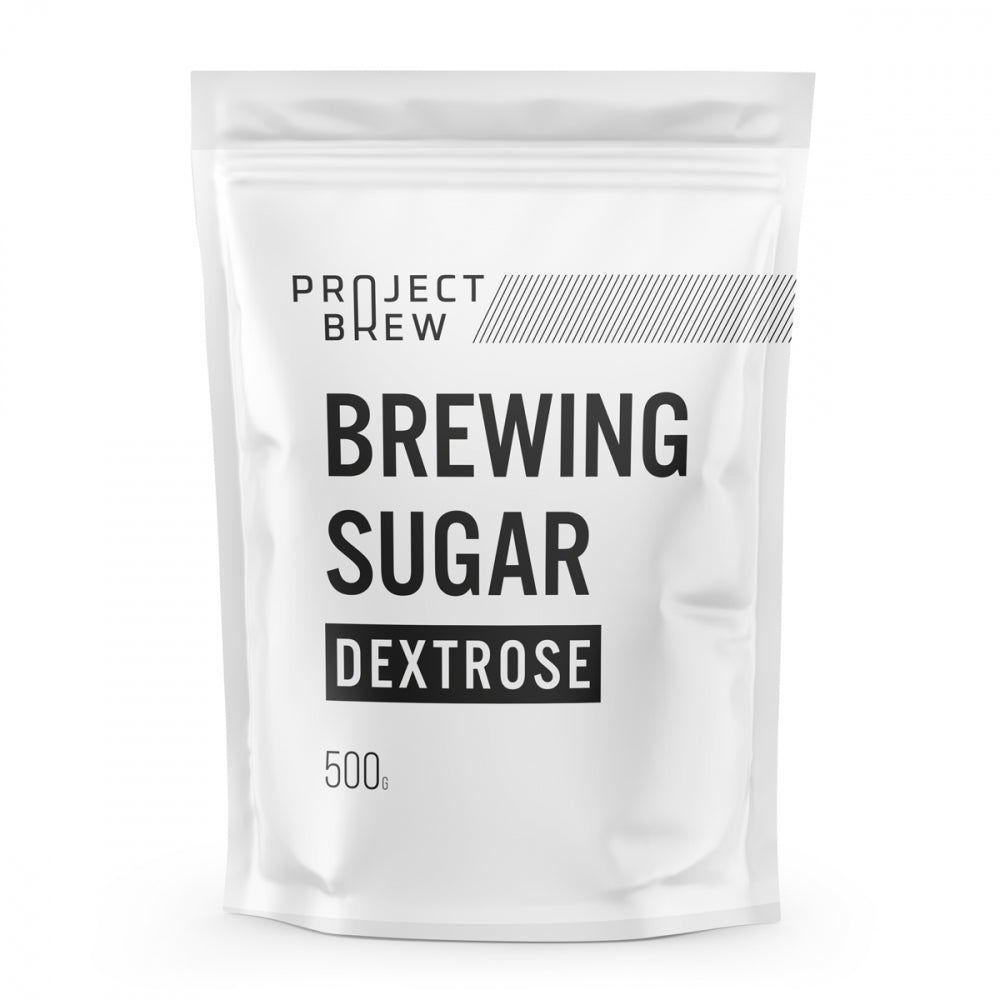
| Dextrose (corn sugar) | Yes, fully | Priming, more alcohol without extra body |
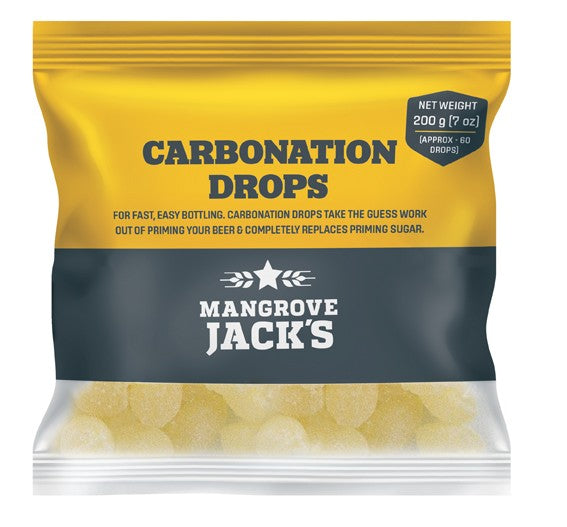
| Carbonation drops | Yes | Priming directly in the bottle |
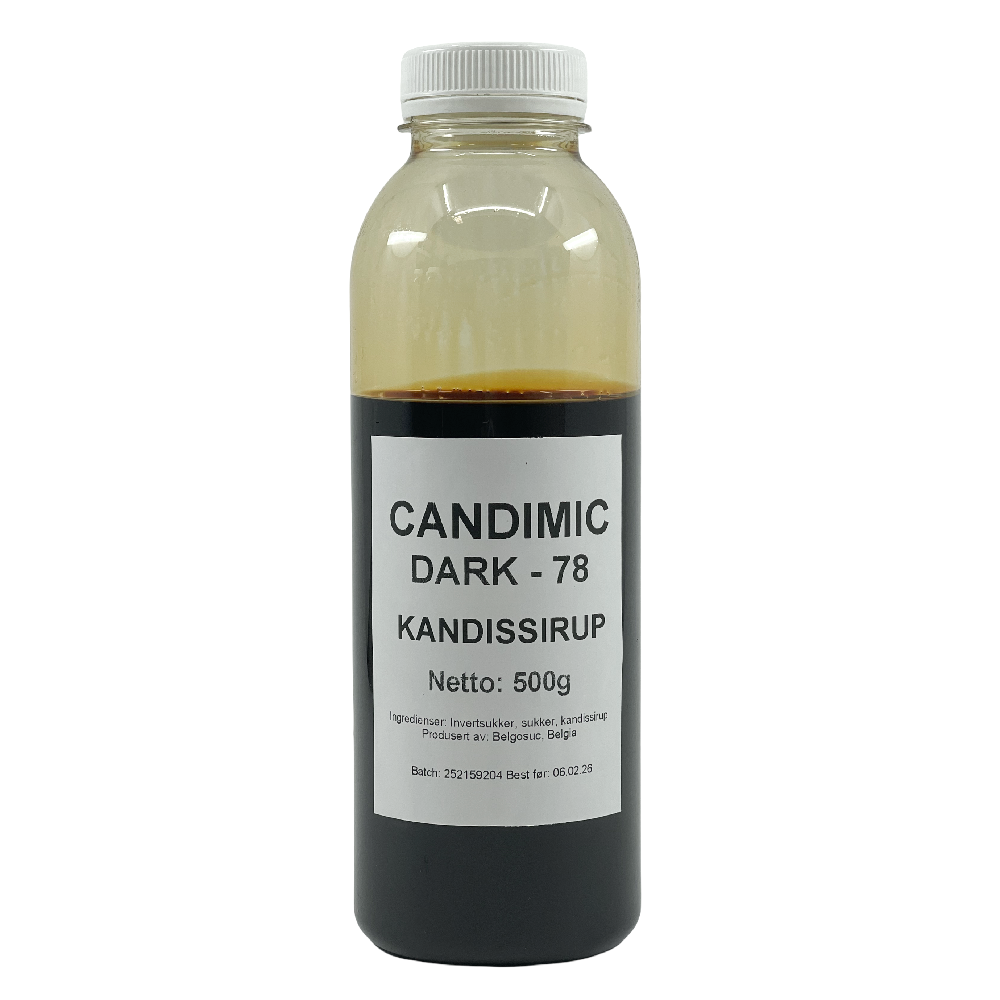
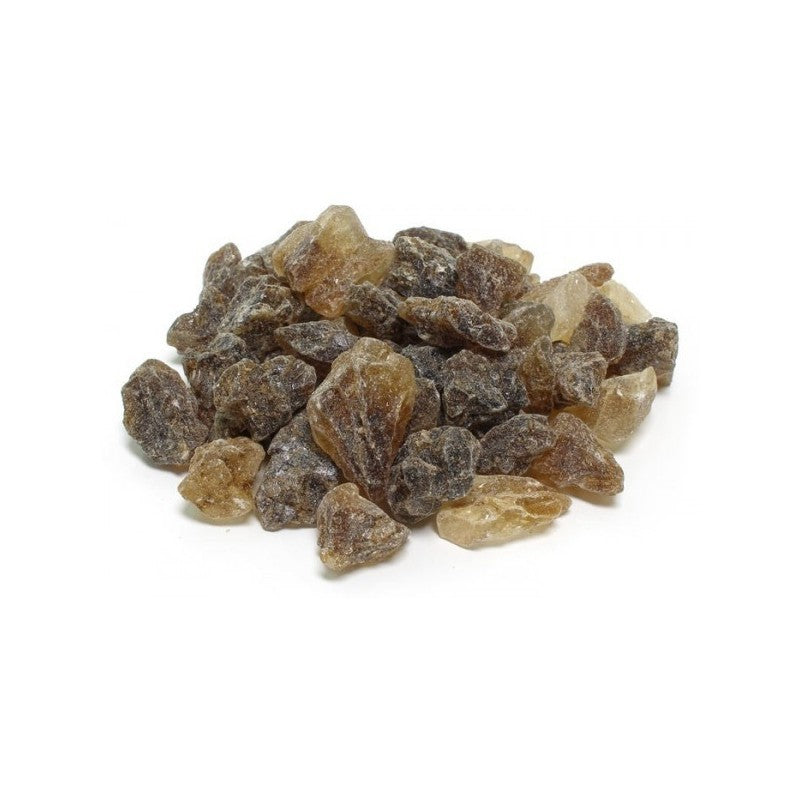
| Candi syrup and candi sugar | Yes | Belgian beers – colour and caramel and toffee notes |
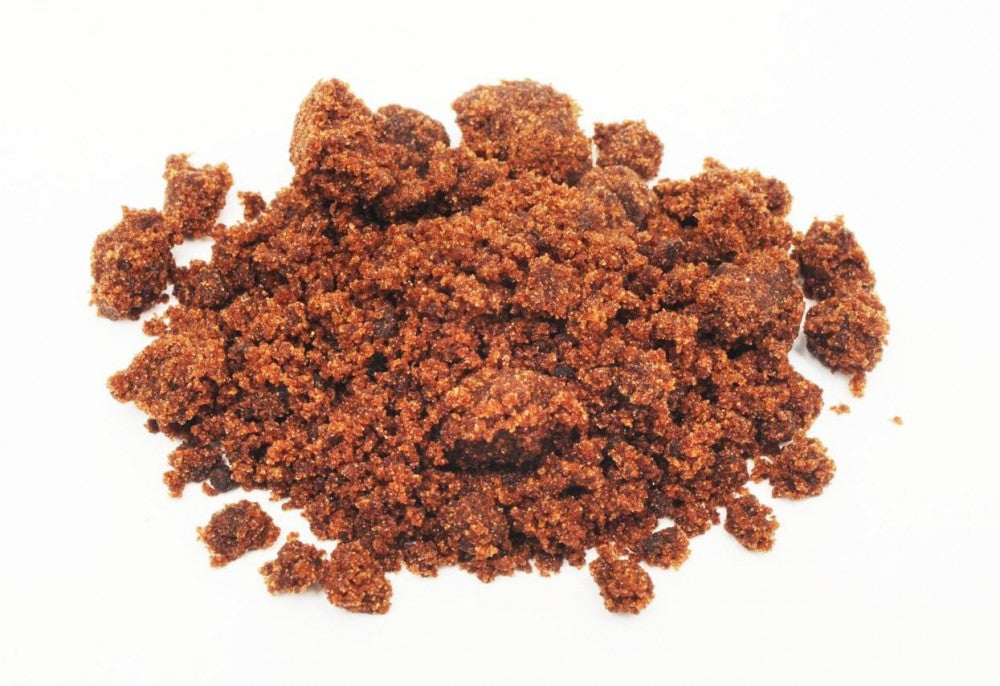
| Muscovado | Yes | Dark beers with molasses notes |
| Lactose | No | Sweetness in milk stout and pastry beers |
| Maltodextrin | No | More body and mouthfeel without sweetness |
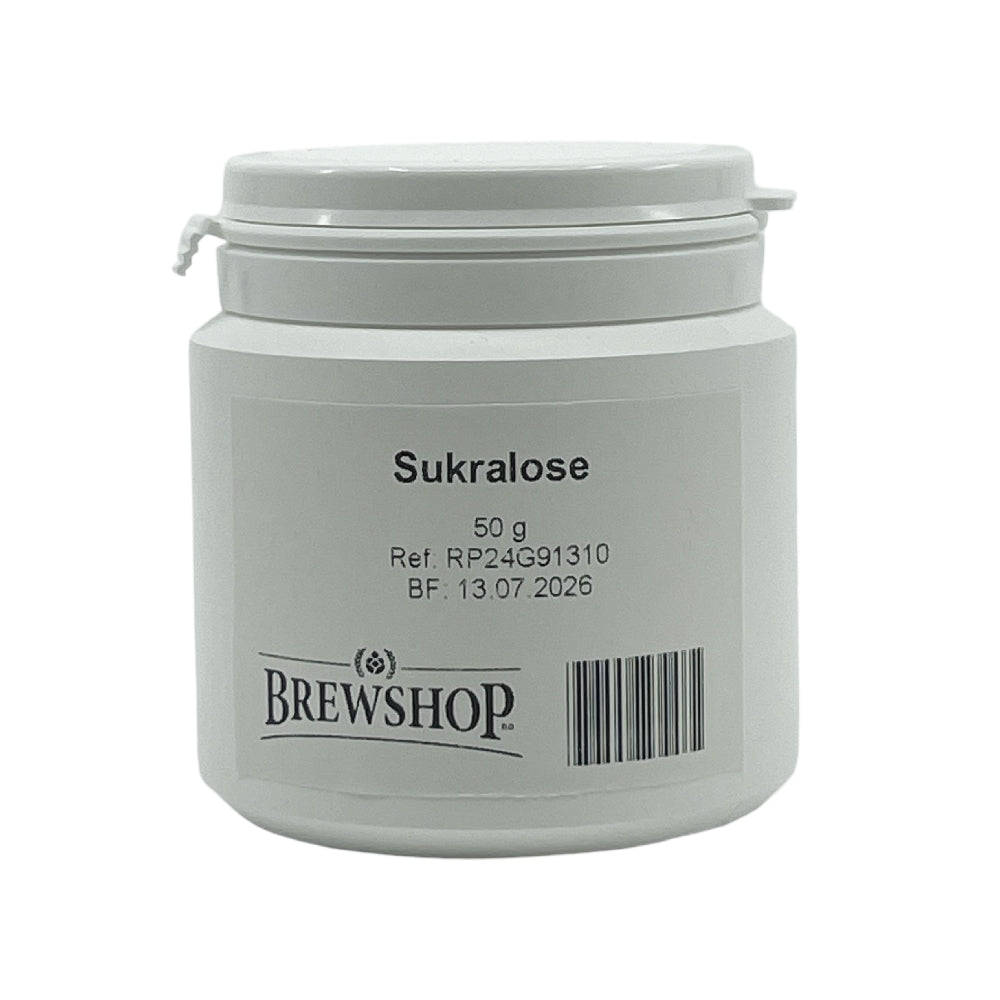
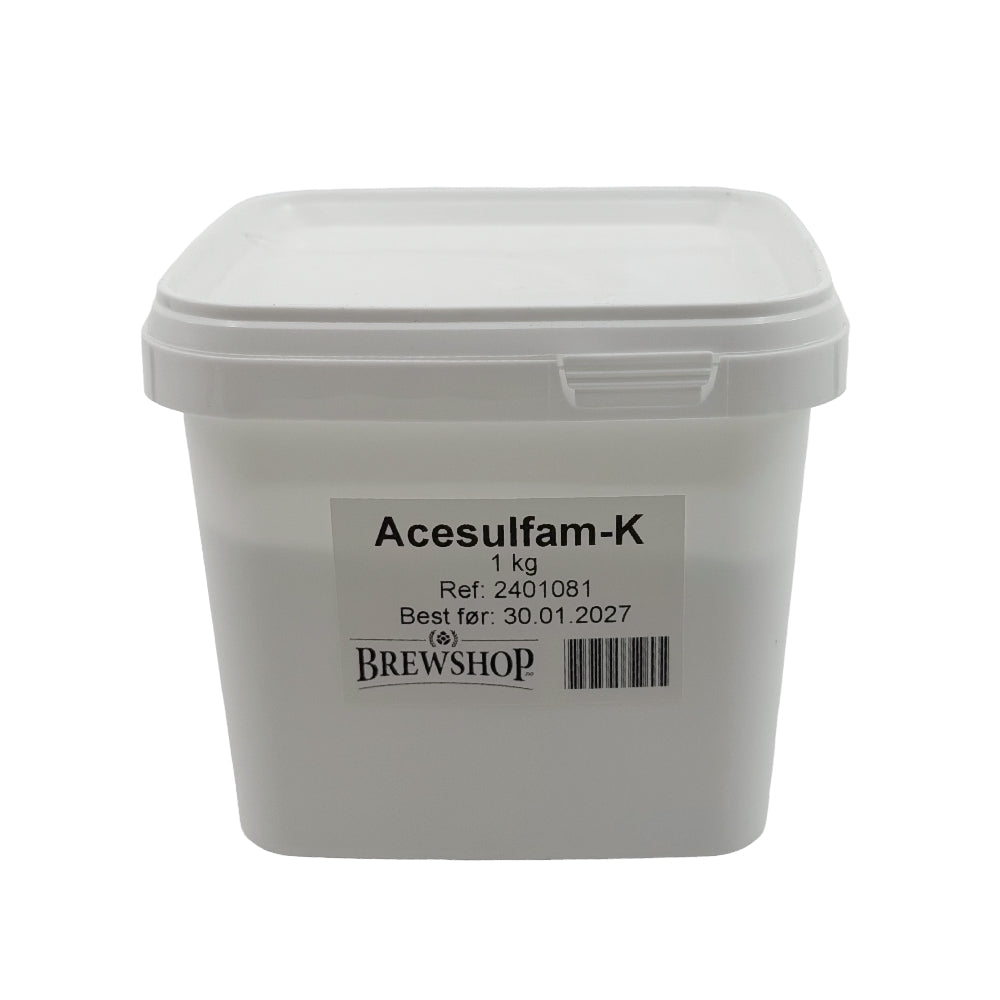
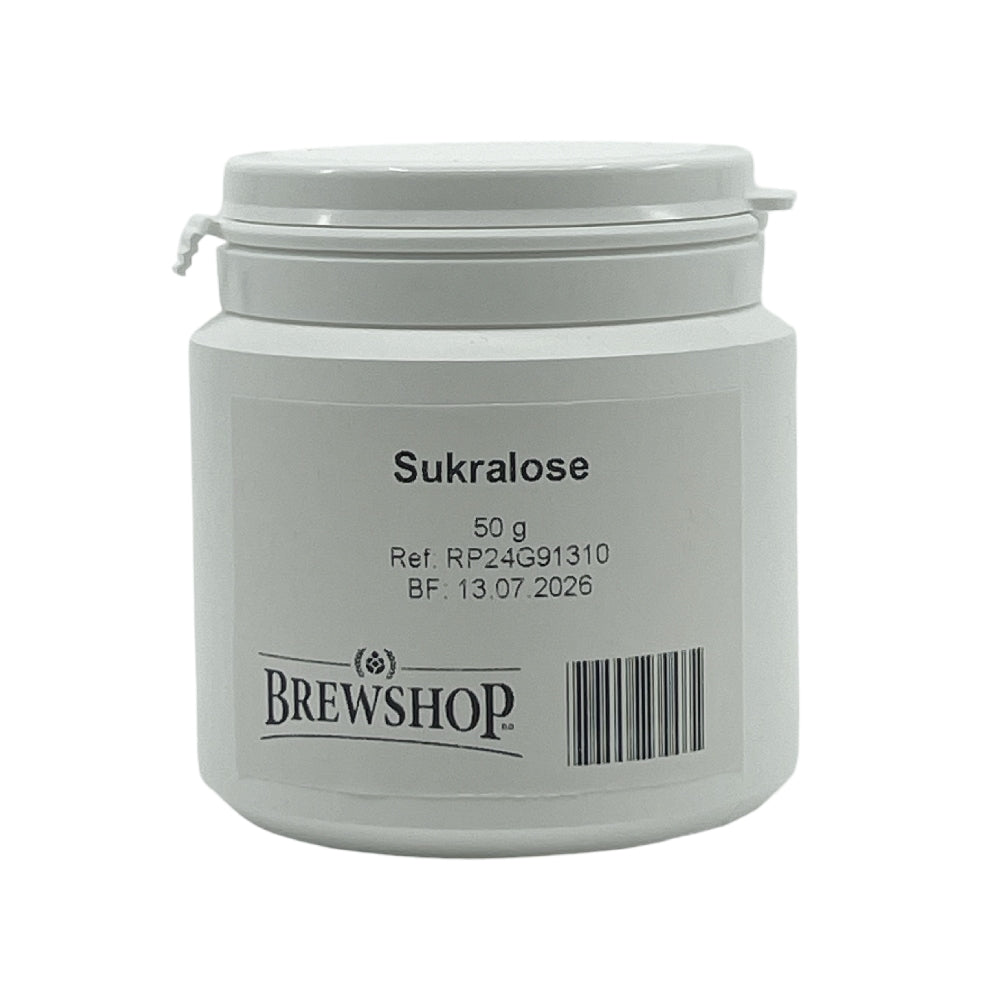
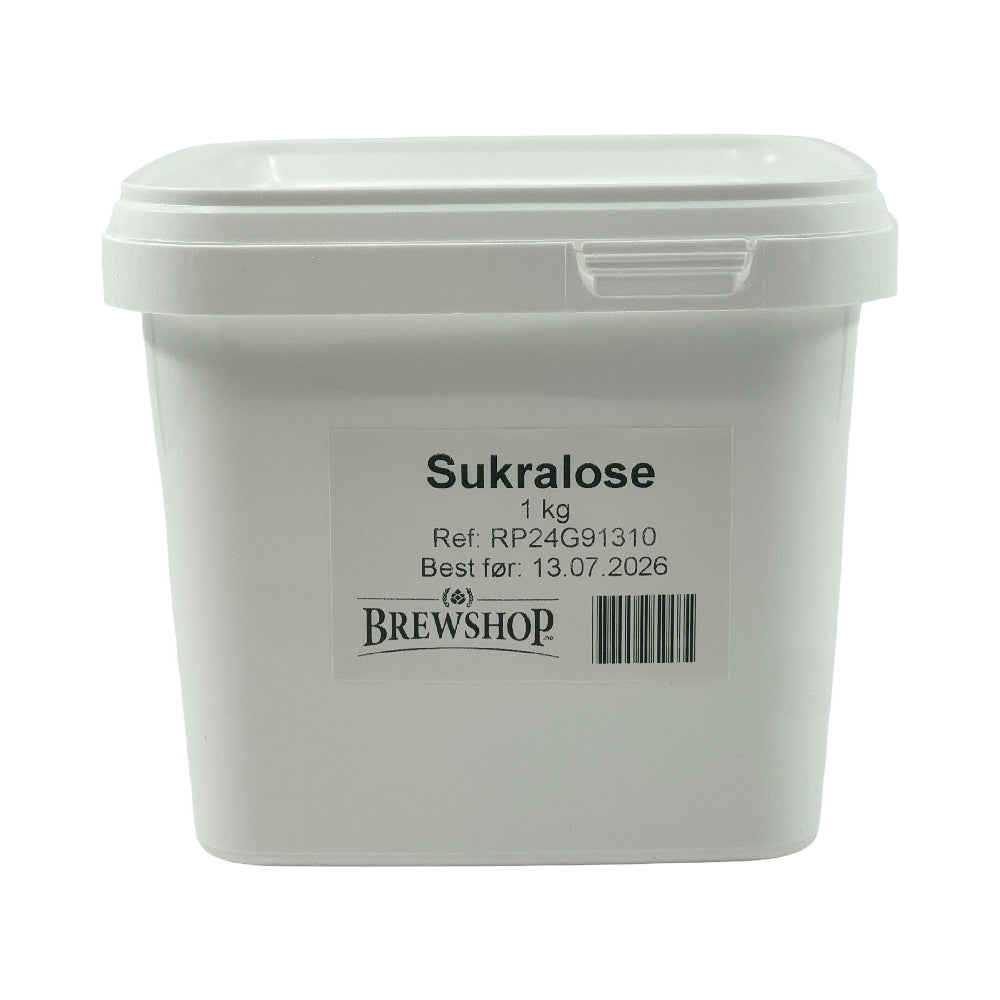
| Acesulfame K and sucralose | No | Sweet cider without renewed fermentation |
For carbonation
Mangrove Jack's carbonation drops (200 g, 60 pcs) and Muntons carbonation drops (160 g, about 80 pcs) go straight into the bottle before capping. Use gloves or sanitised tongs so you do not transfer bacteria to the beer. To prime the whole batch at once, dissolve dextrose in boiled water and mix it into the beer. Dextrose comes in 500 g and 2 kg.
Belgian sugar, body and cider
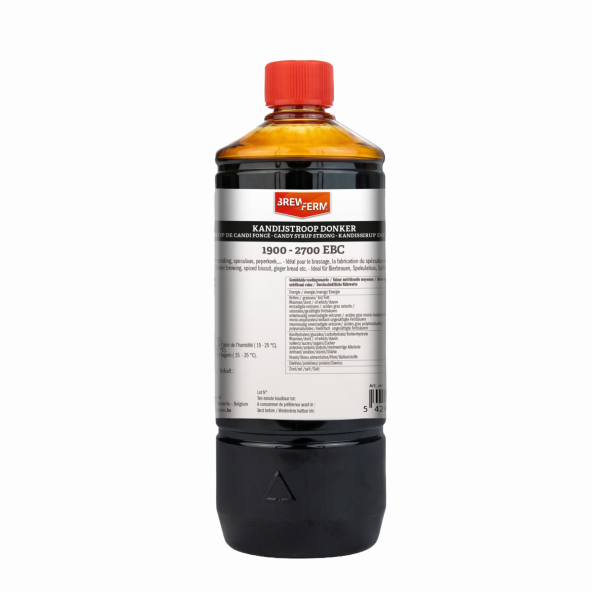
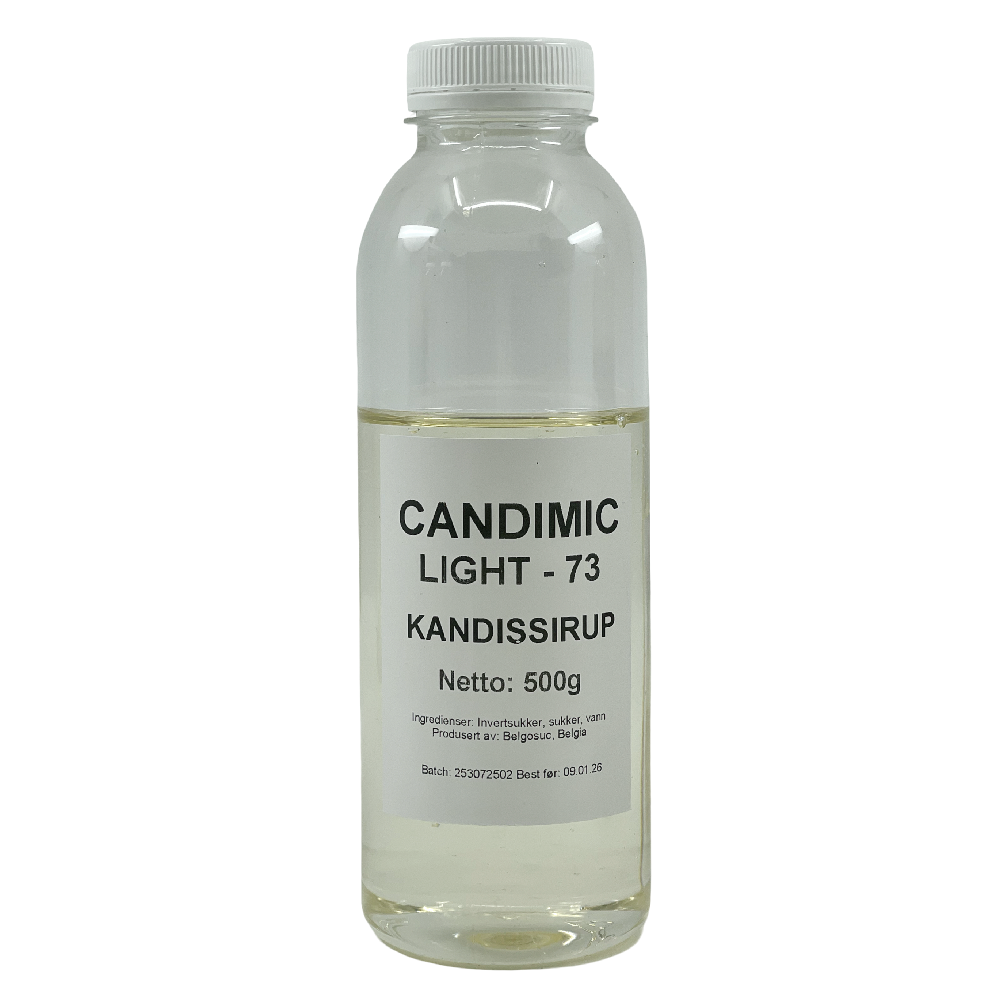
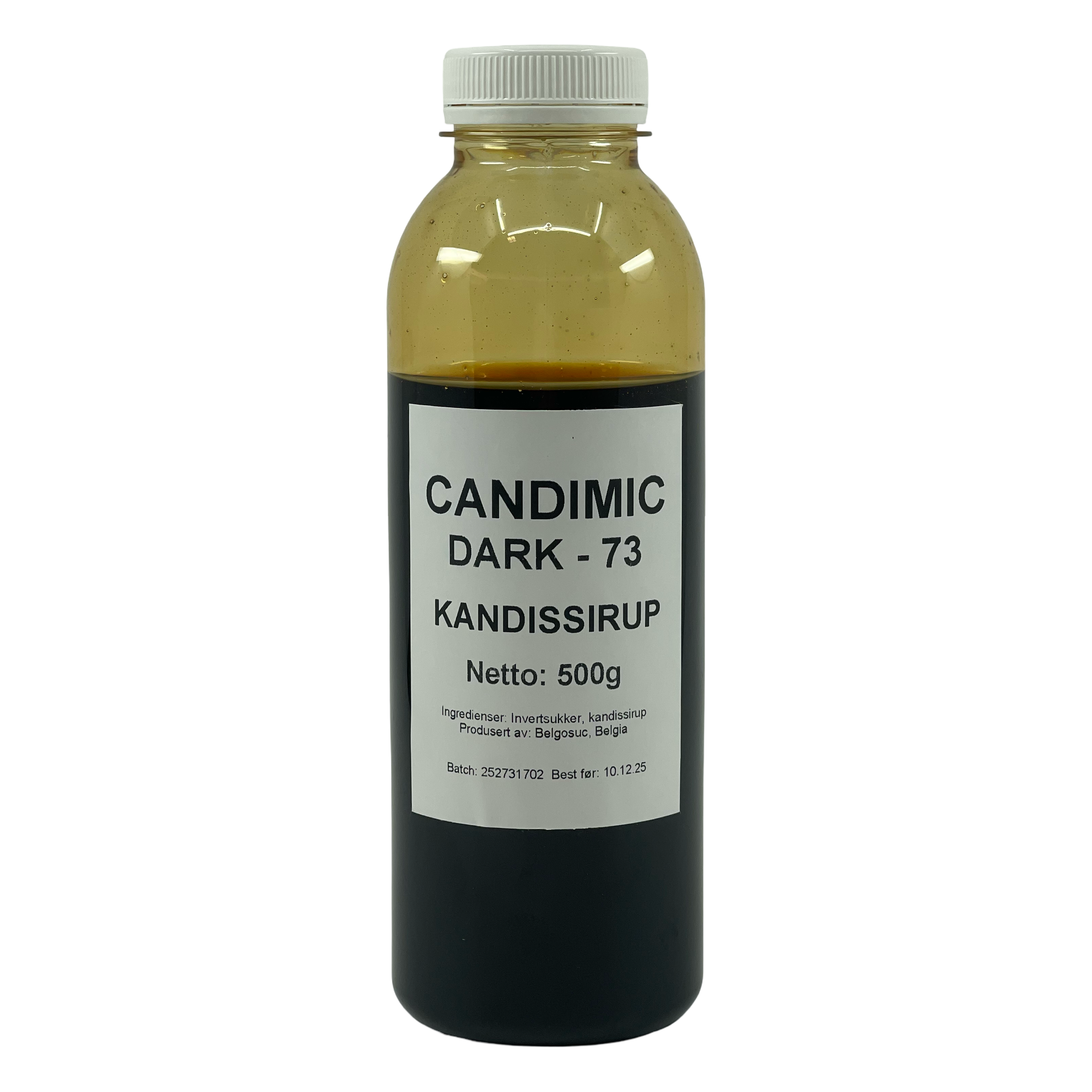
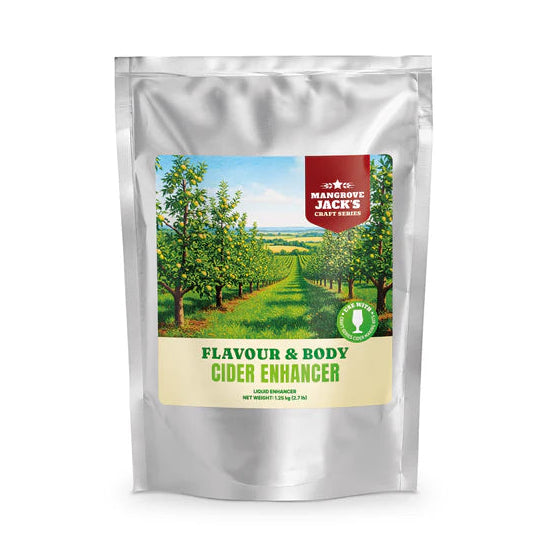
Candimic Dark-73 from Belgosuc is a dark candi syrup at 225 EBC with 100% fermentable solids, made from sugar beet. It adds colour and depth without making the beer sweet, and there is also a light version. Maltodextrin adds body to stouts and porters, while Cider Enhancer from Mangrove Jack's replaces plain dextrose in cider and gives more mouthfeel. Acesulfame K is up to 200 times sweeter than sugar and is often combined with sucralose.
Spices, peel and oak
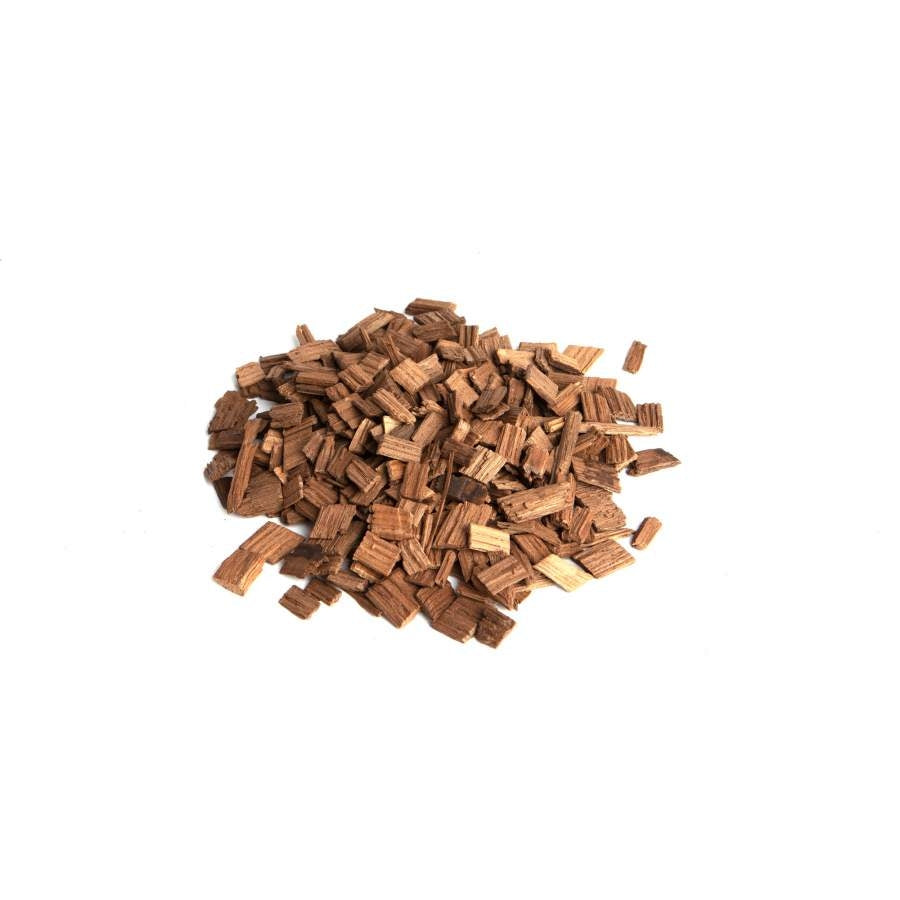
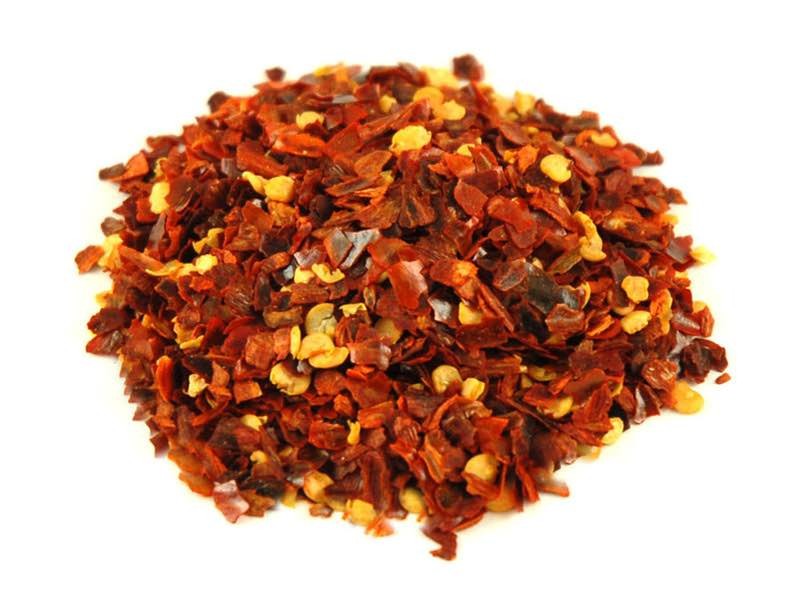
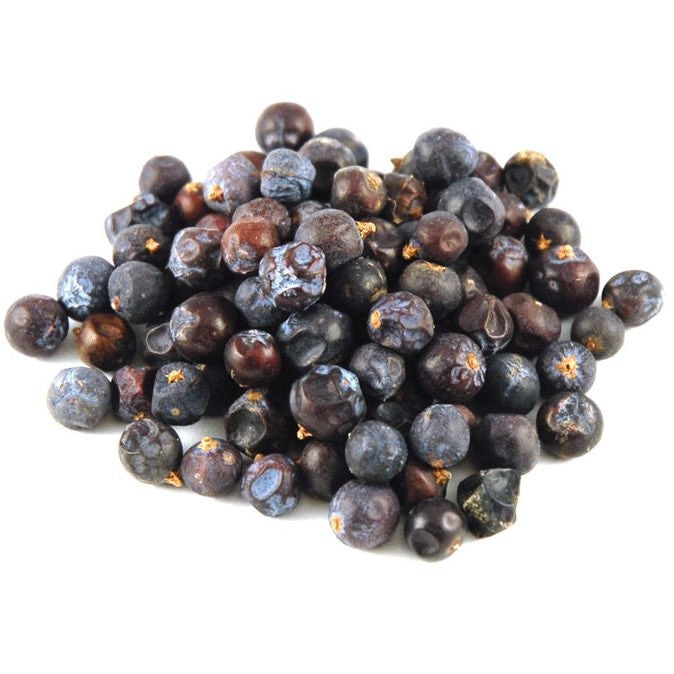
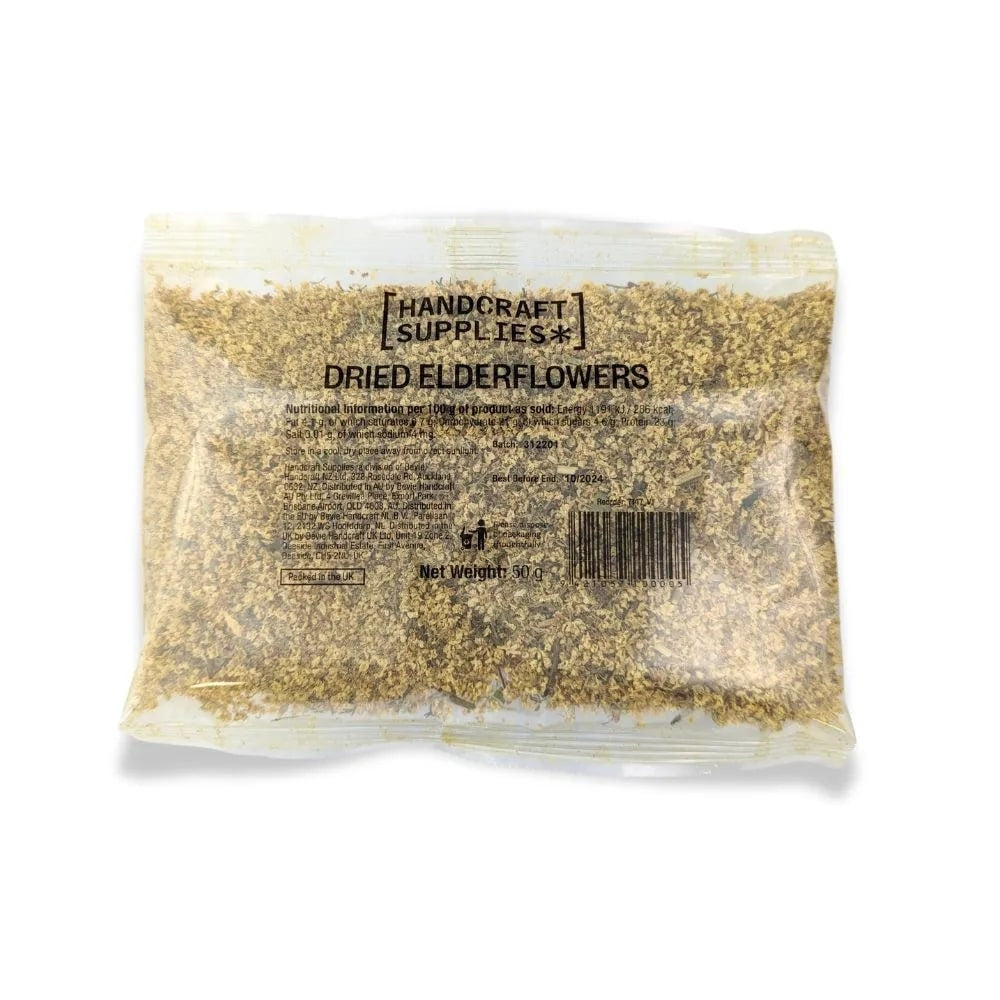
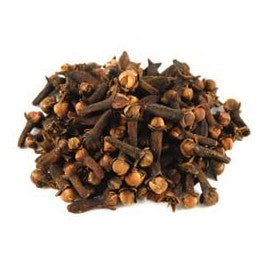
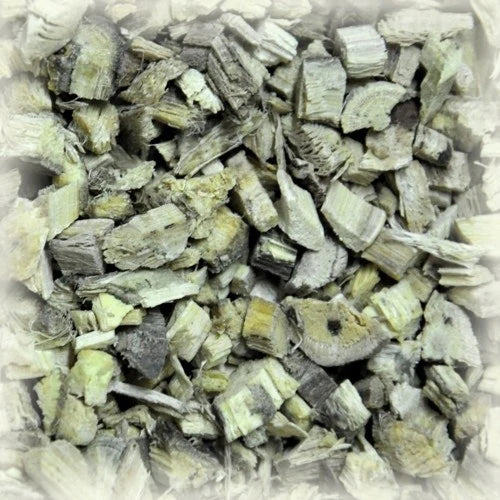
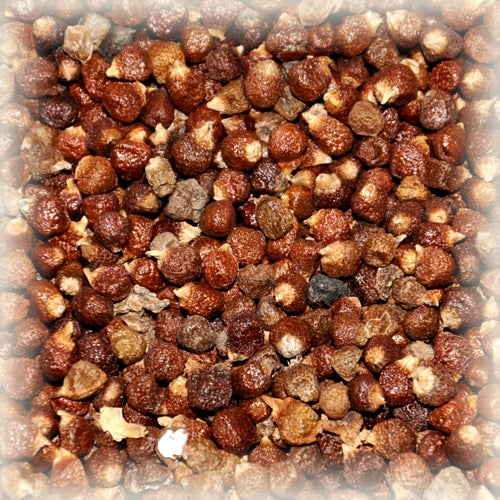
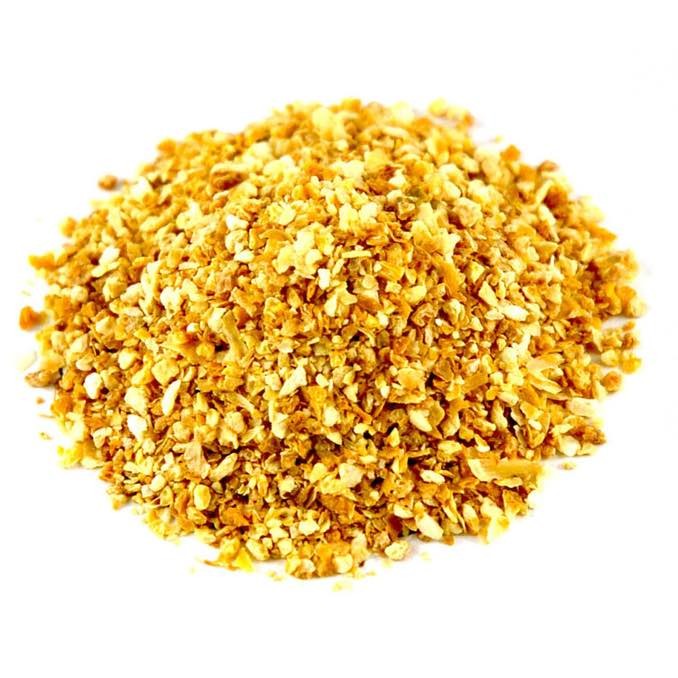
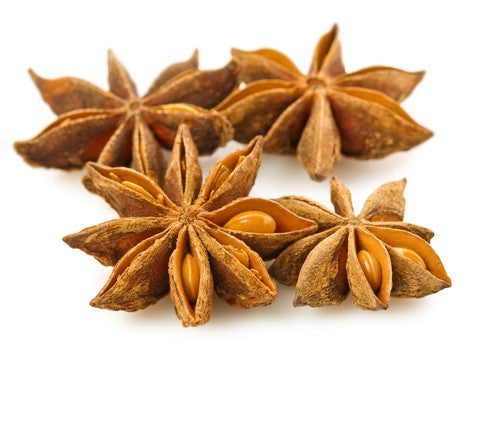
The spices are sold dried in 25–100 g bags, some also in 1 kg: coriander and sweet or bitter orange peel for witbier, juniper, star anise, cloves and cinnamon for Christmas beers, plus ginger, lemon peel, liquorice root, elderflower, hibiscus and grains of paradise. French and American oak chips with a medium toast add barrel character. They must be sanitised before use, and oak can quickly become strong, so start small.
Breweries will find sugar and spices in larger packs under sugar and spices in the professional range, available in Norway only.
Frequently asked questions about brewing sugar and flavourings
Which sugar is best for carbonating beer?
Dextrose is the most common because it ferments out fully and adds no flavour. Carbonation drops are easiest for bottles, while dextrose dissolved in water gives even carbonation across the whole batch.
Does lactose ferment?
No, ordinary brewer's yeast does not ferment lactose. The sweetness stays in the beer, which is why lactose is used in milk stout.
How do I use oak chips in beer?
Sanitise the chips by soaking them in spirit or boiling them for a few minutes, then add them to the fermenter or keg. Taste as you go, as oak can quickly dominate.
How do I sweeten cider without it fermenting further?
Use a non-fermentable sweetener such as acesulfame K or sucralose. To sweeten with ordinary sugar, the cider must first be stabilised with Sorbistat and Campden.
Related
- Fruit purées – real fruit for fruit beers and sours.
- Fruit essences – fruit flavour after fermentation.
- Enzymes and more – Sorbistat and Campden.
- Cider kits – cider from ready-made concentrate.
- All brewing additives