
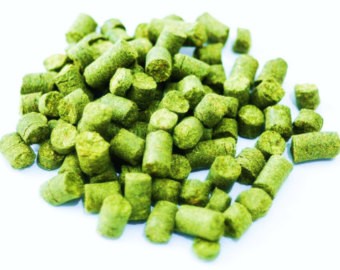

Description
Azacca hop pellets 100 g – tropical American aroma hop
Azacca is an American hop with an intense but balanced aroma of tropical fruit such as mango and pineapple, citrus such as tangerine and a hint of pine needles. The variety was developed through the American Dwarf Hop Association and released in 2014.
Aroma and flavour
BarthHaas describes green fruits such as quince and gooseberry, sweet mango and kiwi, a fresh touch of mint and notes of green tea and rose leaves.
Uses and beer styles
- Late additions, hop stand and whirlpool
- Dry hopping
- Especially used in IPA
- The high alpha acid means it can also provide bitterness
Alternative hops: Sultana and BRU-1.
Technical data
- Origin: USA
- Typical alpha acid for the variety: 11–16%
- Beta acid: 3.9–5.5%
- Total oil: up to 2.5 ml/100 g
- Myrcene: 18.9–55% of oil
- Humulene: 13.4–22.7% of oil
- Pack size: 100 g pellets, vacuum-packed
Storage
The hops are vacuum-packed and stored in a freezer room at -18 °C. We prioritise hops from the last two harvests, but older hops can be just as good when stored correctly. Read more about shelf life and storage in the article by Yakima Valley Hops (PDF).
Frequently asked questions about Azacca
What does Azacca taste like?
Azacca gives tropical fruit such as mango and pineapple, citrus such as tangerine and a light pine character. BarthHaas also mentions quince, gooseberry, kiwi and mint.
Which alpha acid should I use in my calculations?
The alpha acid for the lot you receive is stated in the product title. Use that figure when calculating bitterness. The range under Technical data shows typical values for the variety and varies from year to year.
When should I dry hop?
Dry hopping is usually done around day 7–9, preferably once primary fermentation is over and the temperature has dropped. Early, heavy dry hopping can give vegetal flavours, but for NEIPA many brewers dry hop earlier for biotransformation. For a hop stand, hold the wort at 70–90 °C for 10–30 minutes.
How can I tell if the hops are still good?
Fresh pellets are green. Brown pellets or a cheesy smell indicate that the hops have oxidised. Yakima Valley Hops recommends using pellets within five years of pelletising, but hops kept cold and away from light and oxygen can last longer.
Related
Betaling
Your payment information is processed securely. We do not store credit card details nor have access to your credit card information.