
Alcohol-free beer is becoming more and more popular, and it is perfectly possible to make at home with the right technique and equipment. In this article we go through the process of making your own alcohol-free beer, step by step.
What is alcohol-free beer? Alcohol-free beer contains very little alcohol (usually below 0.5 % ABV) and is produced either by reducing the alcohol content after fermentation or by controlling fermentation so that less alcohol is produced.
Two methods for making alcohol-free beer:
-
The heating method:
- Once the beer has finished fermenting, it is heated to about 78°C to evaporate the alcohol. This requires precise temperature control to preserve the flavour while the alcohol is removed.
-
Controlled fermentation:
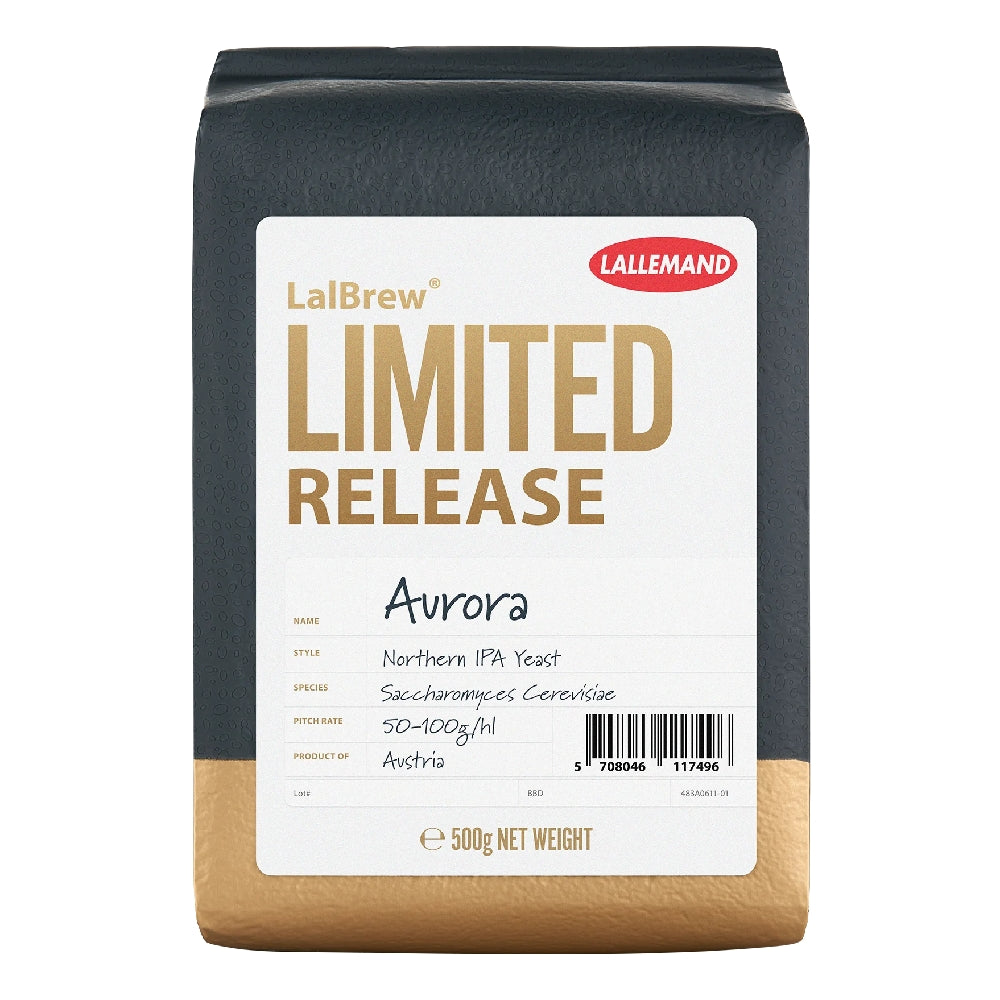
- Use a yeast strain that produces less alcohol, such as WLP618 or Fermentis Safbrew LA-01. Keep the fermentation temperature low (around 12–15°C) to limit alcohol production. This method requires close monitoring of fermentation.
Steps for making alcohol-free beer:
-
Brewing:
- Brew the beer as usual by mashing, sparging and boiling. Use a recipe with a low starting point for alcohol, such as a light pilsner or wheat beer.
-
Fermentation:
- Ferment the beer at a low temperature with a yeast that produces less alcohol. Alternatively, carry out a normal fermentation and remove the alcohol by heating.
-
Alcohol removal (if chosen):
- Heat the beer to 78°C and hold it at this temperature for 30–60 minutes to remove the alcohol. Monitor closely to avoid boiling the beer.
-
Carbonation:
- Add priming sugar or use a CO₂ cylinder to carbonate the beer to the desired level. If you have heated the beer to 78°C to remove the alcohol, the yeast is dead, and the beer must then be carbonated with CO₂ in a keg, or have a little fresh yeast added along with the priming sugar. Bottle or keg the beer for storage.
Tips for preserving flavour:
- Use malts that give a fuller flavour, such as Munich Malt or crystal/caramel malts, to make up for the body lost with the alcohol.
- Add fruit or spices for an extra flavour dimension.
Conclusion:
Making alcohol-free beer at home can be a fun and rewarding challenge, and the result can be just as tasty as traditional beer. You will find the ingredients and equipment you need to get started with your own alcohol-free brew at Brewshop.no!