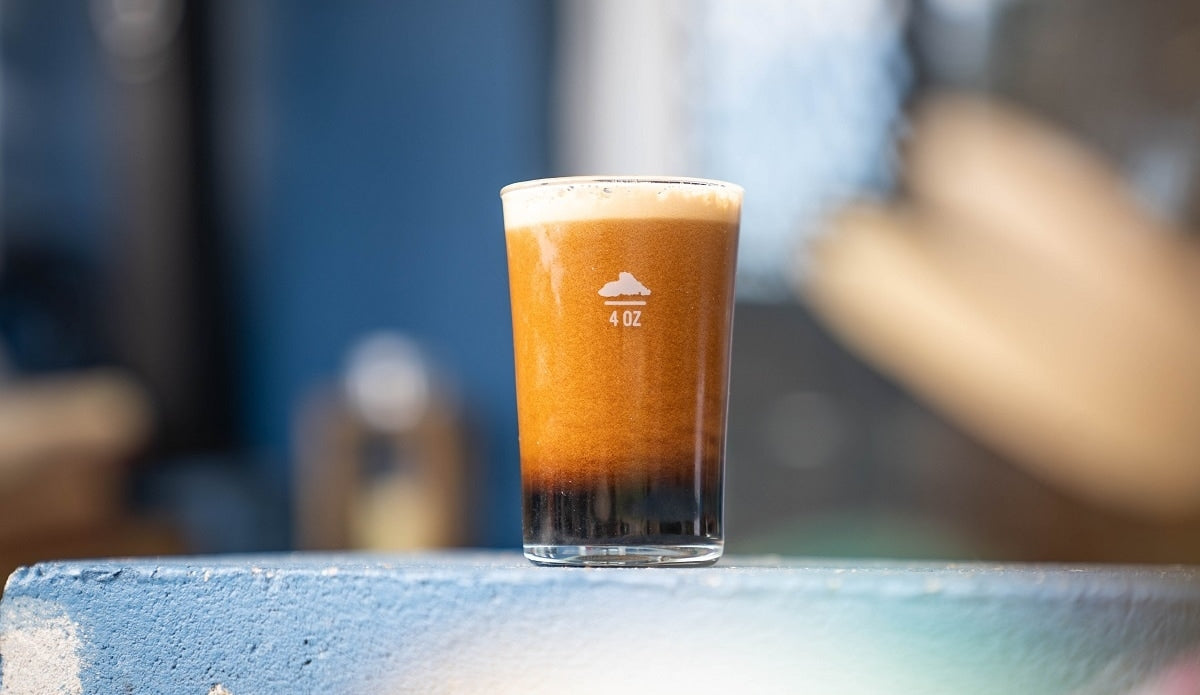
Think about how a Guinness or similar beers feel in the mouth. Velvety smooth, with a thick, rich head you could almost eat with a spoon. What if I told you this is no longer reserved for Irish pubs, but something you can now make at home?
The reason this type of beer has that special texture is something popularly called beer gas. Unlike regular CO2, which in most cases is used to carbonate beer, beer gas is a blend of nitrogen (N2) and CO2. Until now it has mainly been available to the professional market, in the form of a large cylinder of CO2, a large cylinder of nitrogen, and a separate regulator to blend the gases in the right proportions before they go into the keg. In other words, not particularly practical for a homebrewer who typically brews 25–50 litres at a time.
That is why we are proud and delighted to present beer gas in 21ml cartridges, developed in collaboration with Liss. They contain a ready-made beer gas mix of 70% nitrogen and 30% CO2, intended primarily for homebrewers who serve from a keg. These cartridges have a significantly higher pressure than traditional CO2 cartridges, so we have also developed a dedicated regulator with a pressure gauge to fit them.
Using Beer Gas
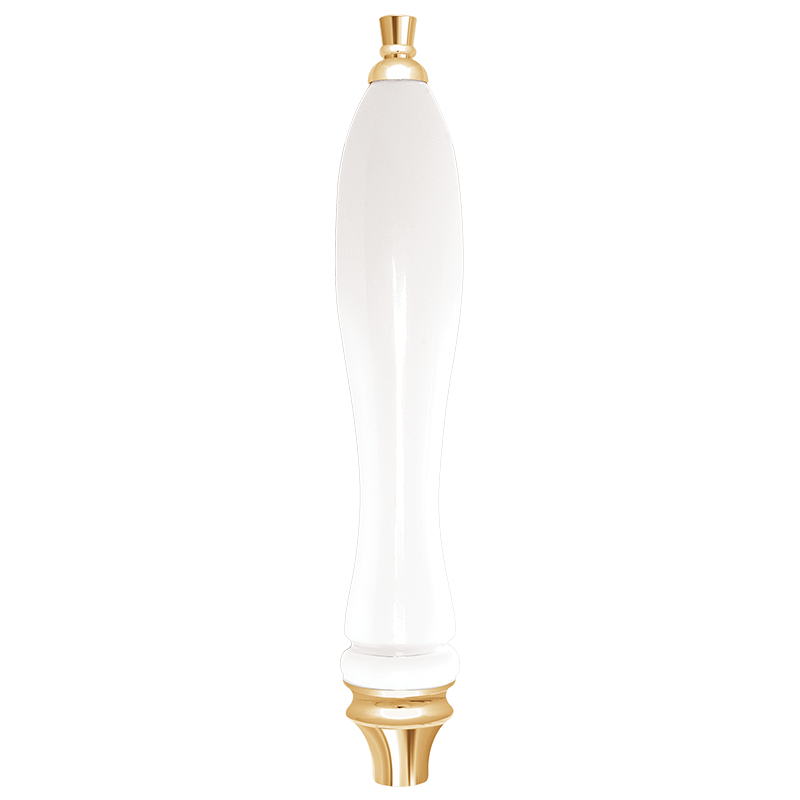
Carbonate the beer as usual with CO2 to the desired level. Nitro stouts are often carbonated lower than normal – Guinness, for example, is carbonated to 1.2 volumes of CO2. Disconnect the CO2 and fit the mini regulator with a 21ml beer gas cartridge. To create the right head, it is a big advantage to use a stout tap with a built-in creamer (a small disc with tiny holes) designed for stout, or a tap fitted with a stout spout or an English sparkler. Adjust the pressure as needed until you get the creamy result you are after.
With our beer gas regulator, made specifically for this gas blend, you can serve at up to 2–3 bar. The serving pressure for Guinness, for example, is about 2 bar, but we recommend starting at around 1 bar and adjusting until you get the effect you want. This takes some trial and error, and depends on the original carbonation, beer style, temperature and, of course, your line setup from keg to tap. A tap with a built-in creamer normally needs higher pressure than usual to charge the beer with nitrogen as it is poured, but different taps behave differently.
Which beer styles is Beer Gas used for?
Stout and porter are the first styles that come to mind when we talk about serving beer charged with tiny nitrogen bubbles. But there are clearly more options and possibilities. How about a really creamy NEIPA, wit or dunkelweisse as a creative and exciting alternative?