In recent years IPA has been the reigning style in craft brewing, and countless variations have sprung from this base style, with varying success on the market. Everything from NEIPA and Black IPA to Hazy, Juicy IPA and Brut IPA. Recently, yet another new and exciting style has appeared, which has been given the name Cold IPA.
The style was developed by the American brewery "Wayfinder Beer" in 2017/18, as an attempt to create a crisp and very easy-drinking alternative to the popular Hazy IPAs on the market, while letting the hops shine and stay front and centre. Only now is it a style on the rise, and it is brewed by several large breweries, including Sierra Nevada.
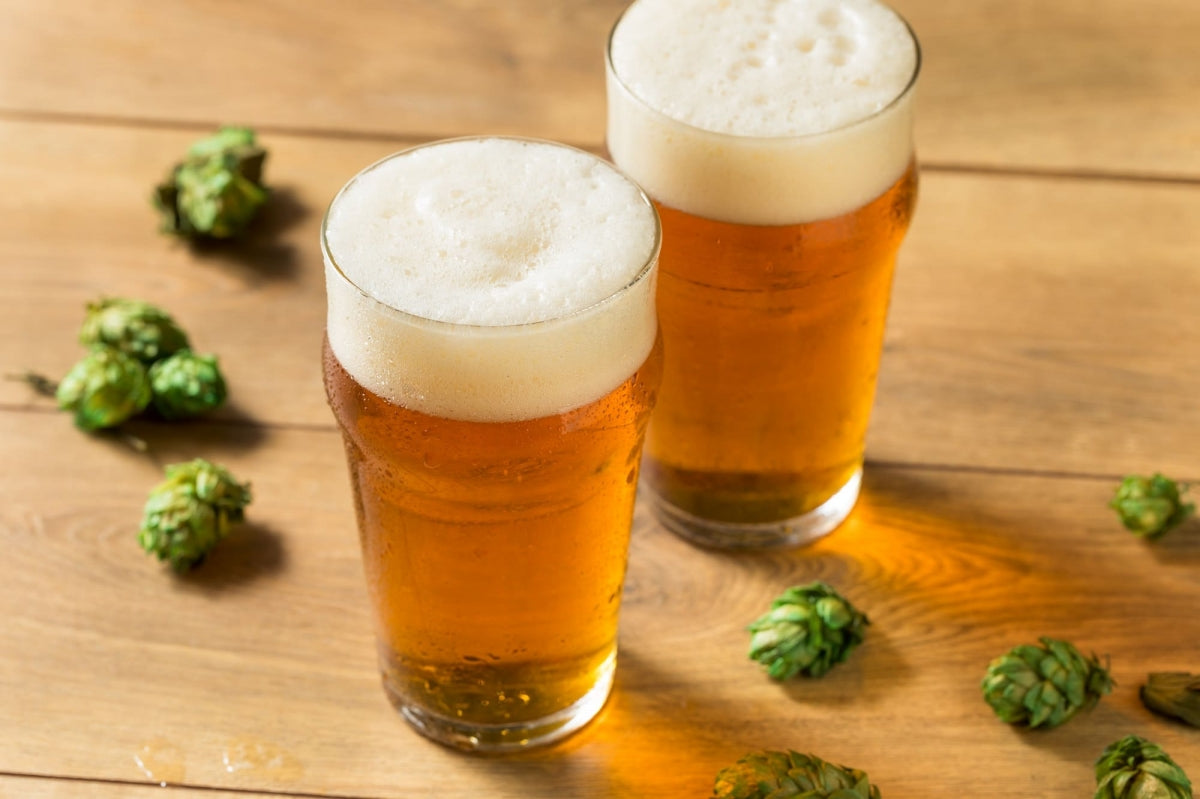
A Cold IPA takes the best from several styles and ends up as a refreshing thirst-quencher with a bit of a kick. The style borrows its malt base and yeast from pilsner, balanced bitterness from West Coast IPA, and flavours that lean more towards NEIPA. And it should be crystal clear. Sounds strange, but it works!
Malt base for Cold IPA
The malt base should be relatively simple: think American lager styles or cream ale, just a little stronger. Pilsner malt is often used with about a quarter adjuncts, meaning corn or rice, or you can simply use sugar to raise the strength all the way up to around 7% ABV. This gives a pale, clean malt base that finishes fairly dry, but nowhere near as dry as a Brut IPA.
Hops
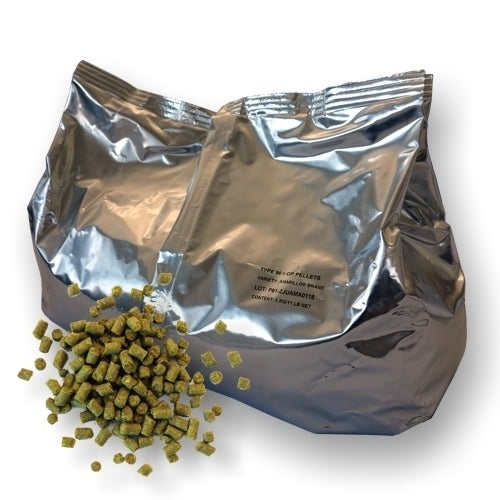
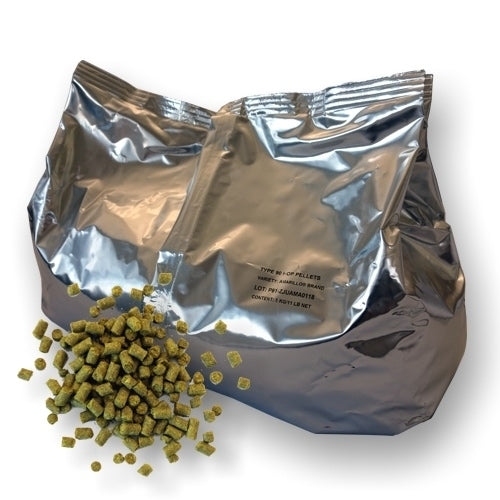
In the hopping we take both the bitterness from West Coast IPA and the flavours from East Coast IPA. For bittering (60-minute additions), pretty much any high-alpha hop can be used, such as Magnum, Columbus or similar, to around 50–70 IBU.
The next addition comes at whirlpool/hop stand, and here we can use a fairly large dose of hops to give lots of flavour. What you use here is pretty much up to you, but we want big flavours of tropical fruit and citrus. Think classic American hops like Centennial, Simcoe and Citra, but also more tropical varieties such as Galaxy or Vic Secret. Experiment a little and see what you like.
Dry hopping is also an important part of this beer style, and here it is recommended to add the hops around day 3 of fermentation. The yeast is then usually at its most active and can transform flavours from the hop oils in a completely different way (biotransformation). For dry hopping you are just as free to choose as for the whirlpool, but tropical fruit flavours are a good idea.
Choice of yeast
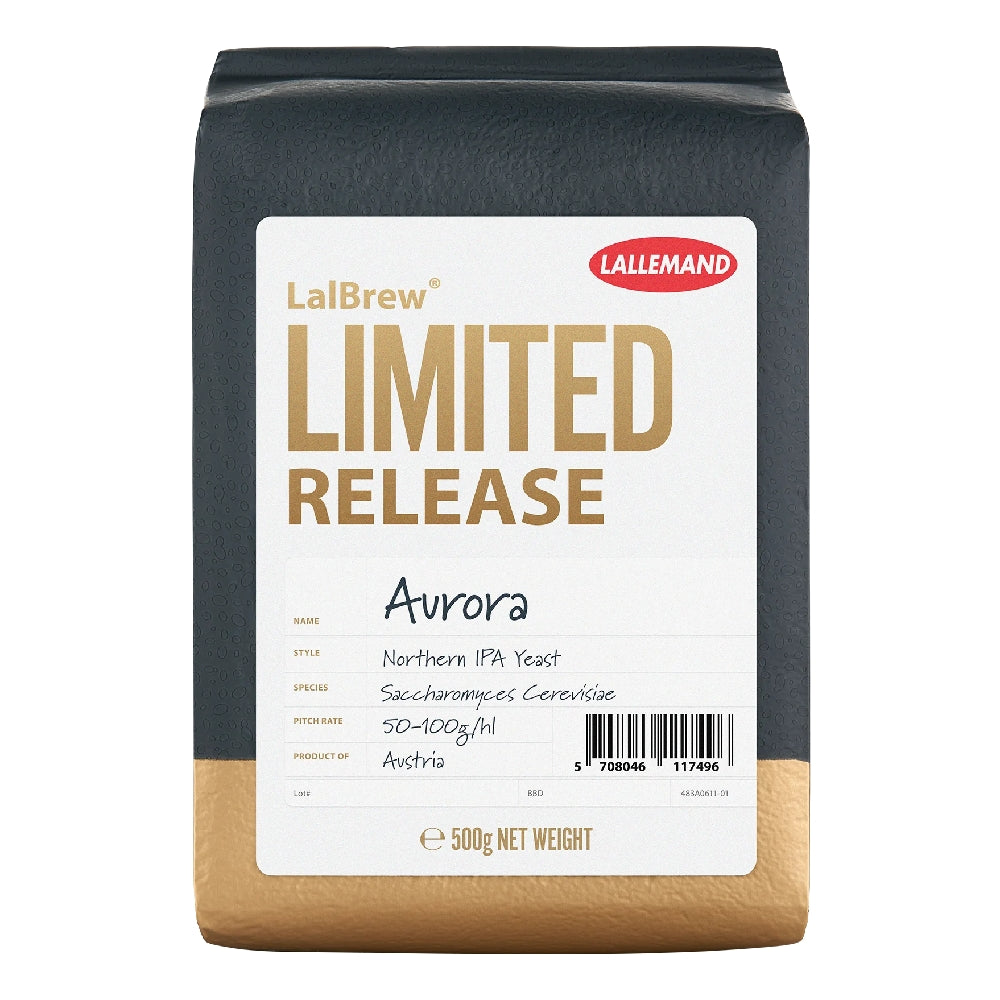
Fermentation brings an interesting twist to it all. A Cold IPA is fermented with lager yeast, but at ale temperatures. Most common are yeast strains that ferment relatively cleanly and do not leave too much character. Saflager W-34/70, for example, is a popular choice, or WLP800 if we look at liquid yeast. It should be fermented at ale temperature, meaning 18–20°C.
Even though the fermentation temperature is relatively high, it is still important to keep the temperature stable. If the temperature fluctuates during fermentation, the yeast can in the worst case get stressed, and we can end up with less pleasant flavours such as sulphur (rotten eggs).
After about 14 days the beer should be fully fermented. Towards the end it can be wise to raise the temperature a few degrees for a couple of days to avoid diacetyl (buttery flavour). Finally, the beer should be chilled well for a few days (cold crash), so that the yeast and hops settle firmly on the bottom. This is a style that should be clear, ideally crystal clear. Filter the beer if you have the equipment for it; otherwise fining with gelatine can work wonders.
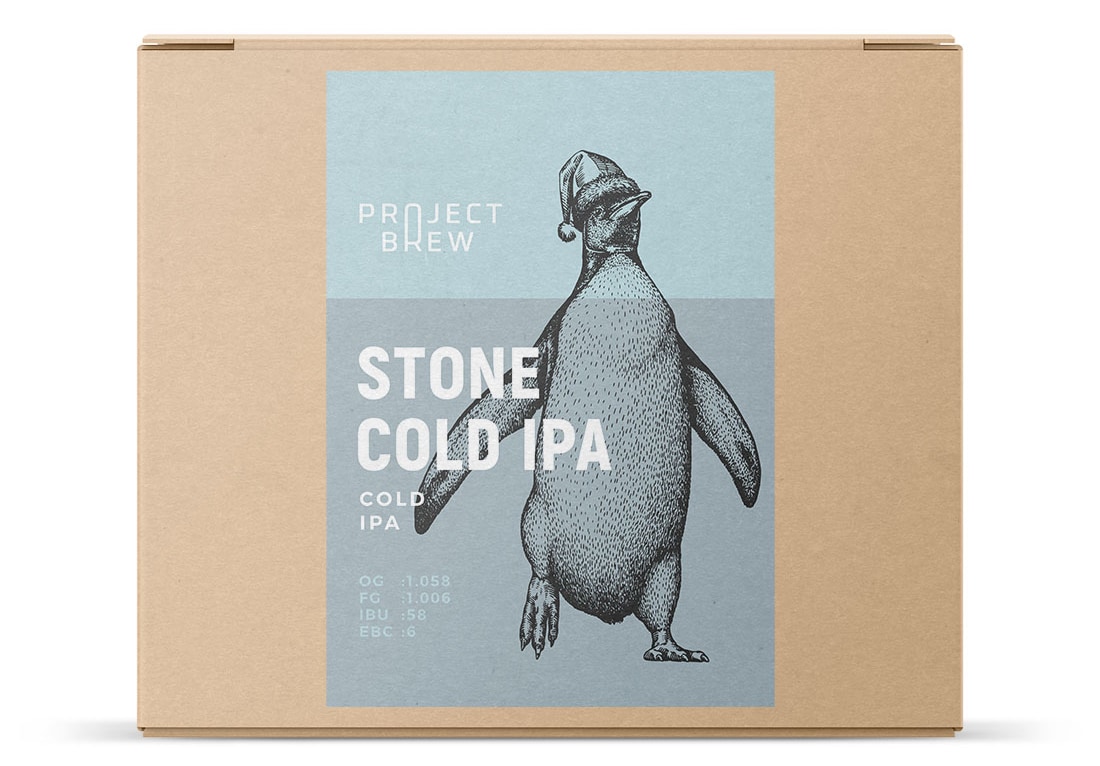
If you want to try a Cold IPA next time you brew, we can recommend our new beer kit Stone Cold IPA.