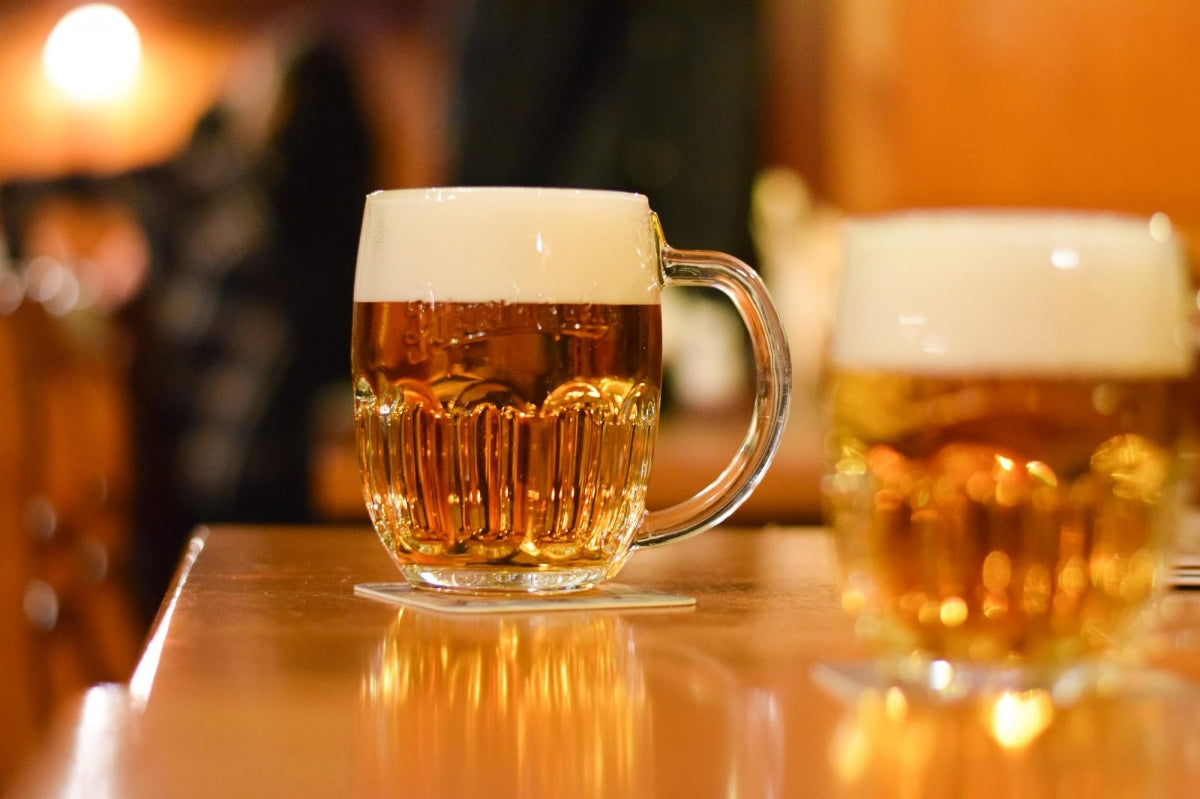
Pilsner is something we usually associate with Germany, but did you know that the original pilsner comes from the town of Plzeň in the Czech Republic? The best known is probably Pilsner Urquell, whose low ABV combined with a pleasant malt character and a crisp, velvety water profile make this beer style a very popular and, not least, very easy-drinking thirst quencher. We are talking about a malt character that gives notes of toasted bread and biscuits.
The style is lightly hopped with noble hops that balance the malt with spicy and floral notes. Unlike most bottom-fermented beer styles, a true Czech pilsner can have a subtle hint of diacetyl.
Ingredients for Czech pilsner
Malt:
The malt base can often be 100% pilsner malt, preferably with traditional Czech malt types such as bohemian pilsner.
Traditionally this style was often decoction mashed, which, very simply put, means that part of the mash is removed to a separate kettle and boiled hard and well caramelised before being added back to the main mash. Some use this method today to get the right flavours, but it is perfectly possible to brew a good Czech pilsner with modern malt. To simulate the flavours you get from a decoction mash, a proportion of, for example, melanoidin malt can give good results.
Hops:
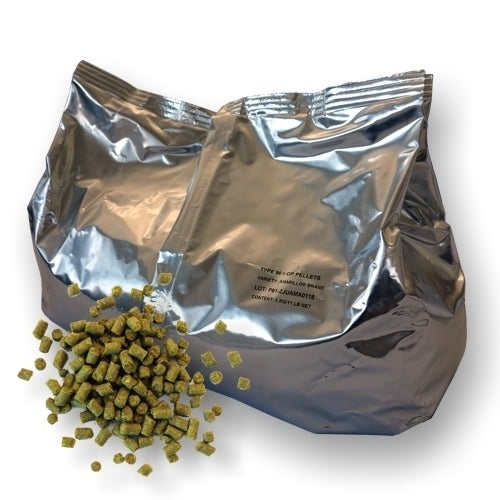
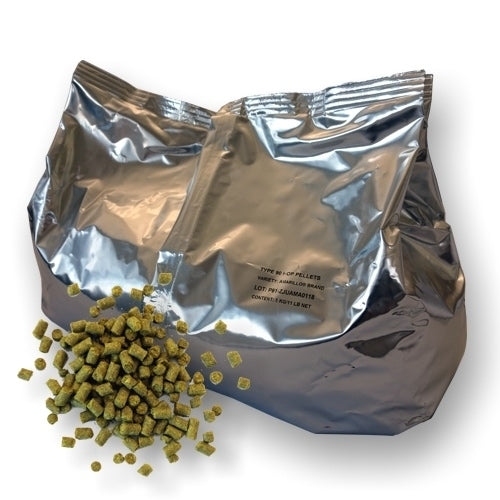
A Czech pilsner should have a floral character with spicy notes. Think noble hops. Traditionally, Czech Saaz is the only right hop for this style.
Yeast:
To get the right character, you should choose yeast strains that bring out the malt character and leave a relatively clean flavour, but that can also give some diacetyl (which you want in this style). WLP800 (Urquell) is a classic and good yeast strain for Czech lager styles. WLP802 (Budweiser) is also a good alternative that gives slightly less diacetyl. If we look at dry yeast, Saflager W-34/70 is a perfect alternative.
The brewing process for Czech pilsner
The brewing process itself can be kept relatively simple, unless you want to try decoction mashing. A single mash at 65°C for about an hour is enough. Bear in mind, though, that this is a relatively clean beer style that cannot hide off-flavours behind hops. It is therefore important to avoid unnecessary stirring along the way, so that you do not extract tannins (astringent flavours) that carry through the rest of the brew day. The same can happen if the temperature is too high during sparging.
The most important part of the brewing process is fermentation. Czech pilsner is bottom-fermented and therefore needs low, stable temperatures. Czech pilsner in particular is a beer style where a little diacetyl (butter) is correct for the style, but it should still not be prominent. Because of this, this pilsner tolerates a slightly higher fermentation temperature than, for example, a German version, which should ferment much cleaner. The temperature should be kept stable at 10–14°C, ideally with a short diacetyl rest (raising the temperature a few degrees towards the end of fermentation) so that the buttery character does not become too potent. Feel free to take a look at our article on temperature control during fermentation for clever solutions to this.
Like most lagers, Czech pilsner needs conditioning before it is at its very best. It is certainly possible to drink it almost straight from the fermenter, but if you have a little patience, it will be at its peak after 1–3 months of conditioning. This time will also allow the beer to become crystal clear. Unlike many lager styles, Czech pilsner should be moderately carbonated, but we still end up with a full, thick, white head which, combined with a crystal-clear pilsner, gives a beer that looks very tempting.
Some of our absolute bestsellers among beer kits are in fact Czech pilsners. Check out our bestseller Bohemian Pilsner from Project Brew. This beer is also available as a fresh wort kit with 20 litres of ready-made wort, ready for fermentation. For those who brew with extract, Mangrove Jack's Craft Series Pils is a good alternative, correctly hopped with Saaz.