
Advice and tips on homebrewing
Brew pilsner and lager in three days with High Voltage kveik
Traditional lager fermentation requires 10–12°C for two to three weeks. With High Voltage kveik you ferment a clean pilsner in two to three days at 31–35°C, without a fridge.

LalBrew NovaLager – brew clean lager and pilsner at ale temperature
LalBrew NovaLager is a hybrid lager yeast that gives clean pilsner and lager at around 18°C instead of 10–12°C. Here are the yeast's properties and the beer kits tailored to it.
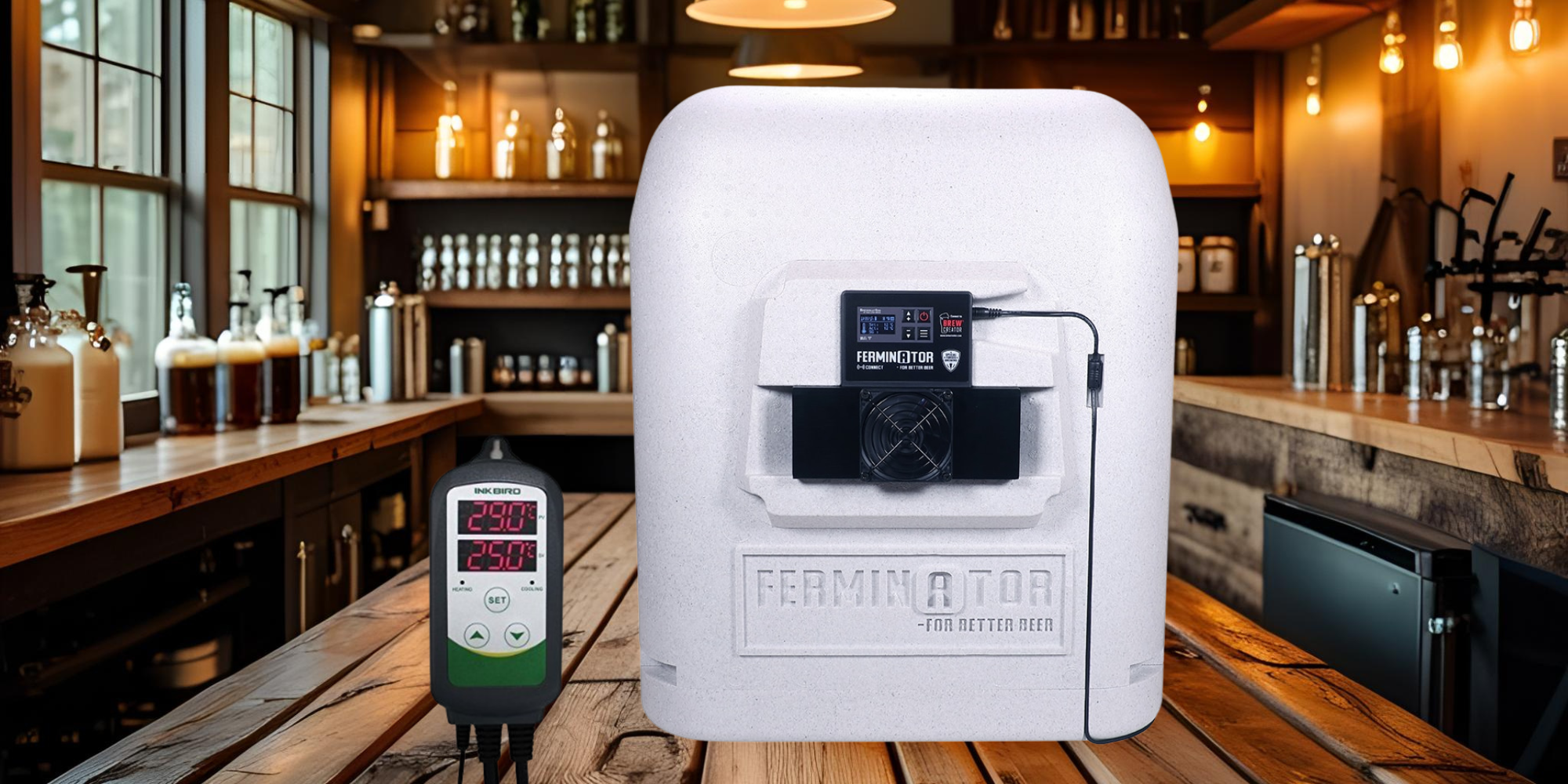
Temperature control during fermentation – crucial also when you brew with Fresh Wort Kits
A Fresh Wort Kit lets you skip straight to fermentation, but that is exactly where temperature decides the flavour. We go through a fridge with an Inkbird, the Fercubator and glycol chillers, and how to cold crash.
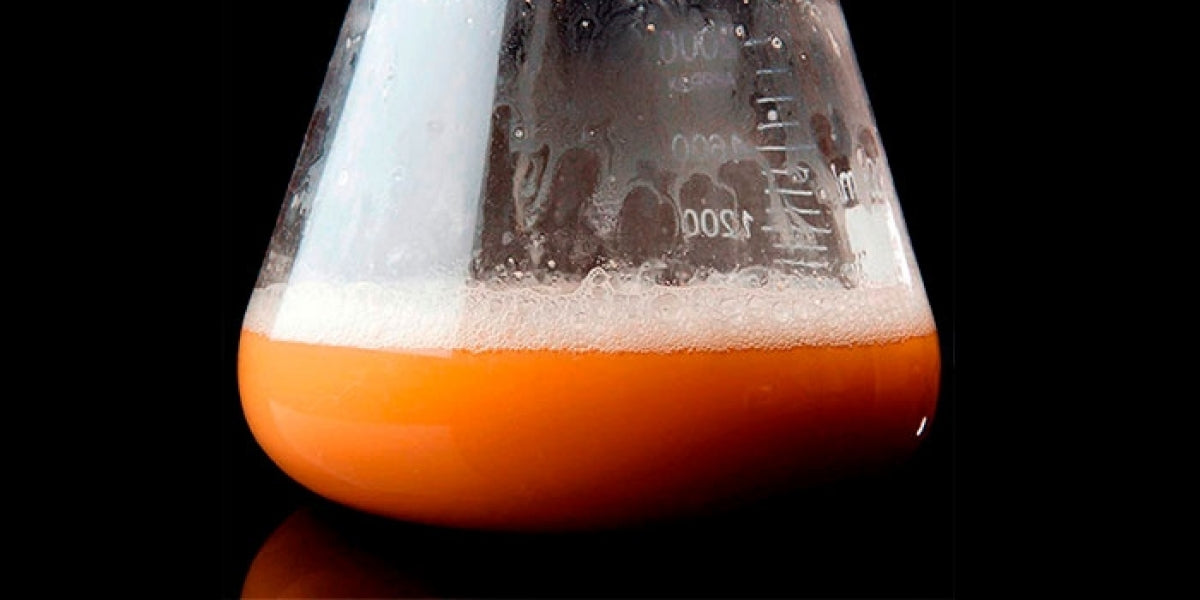
Using fresh yeast and making a yeast starter
Fresh yeast goes dormant and loses live cells over time, and a yeast starter makes sure you have enough healthy yeast. Here is the equipment, the method, the quick method and how to find the right starter size.

Brewing beer with kveik
Kveik is Norwegian farmhouse yeast that ferments at 35–40°C and can be finished in two to three days. Here is how to ferment, dry hop and look after kveik, and which types are available.
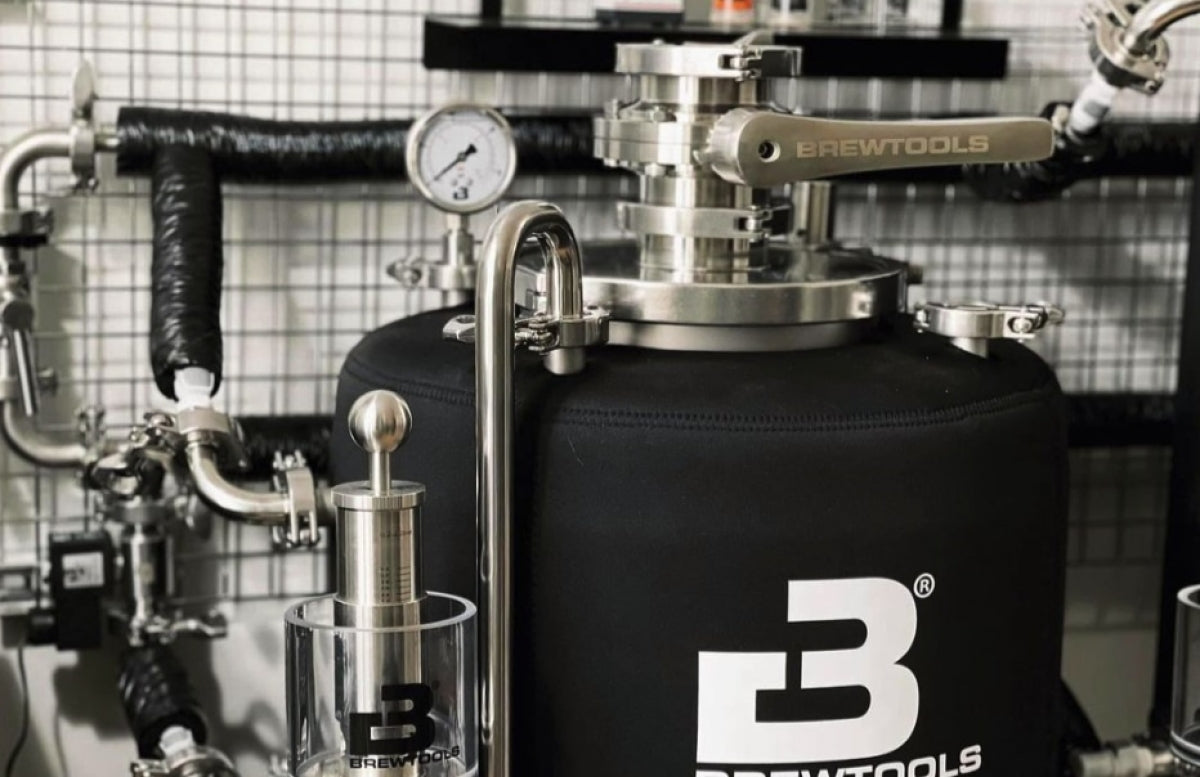
Pressure fermentation
Pressure fermentation suppresses esters and off-flavours, keeps oxygen out and lets you serve fully carbonated beer straight from the tank. Here are the pros, cons, equipment and what pressure to ferment at.

Cold crashing beer
Cold crashing means chilling the beer quickly towards the end of fermentation, so yeast, hops and proteins settle at the bottom. Here are the temperature, time, benefits and how to avoid suckback.

Oxygenating wort
Oxygen gives the yeast the building blocks it needs for healthy growth, especially in strong beers and lagers. Here is the equipment, the pressure and how long to add oxygen for a 25-litre batch.
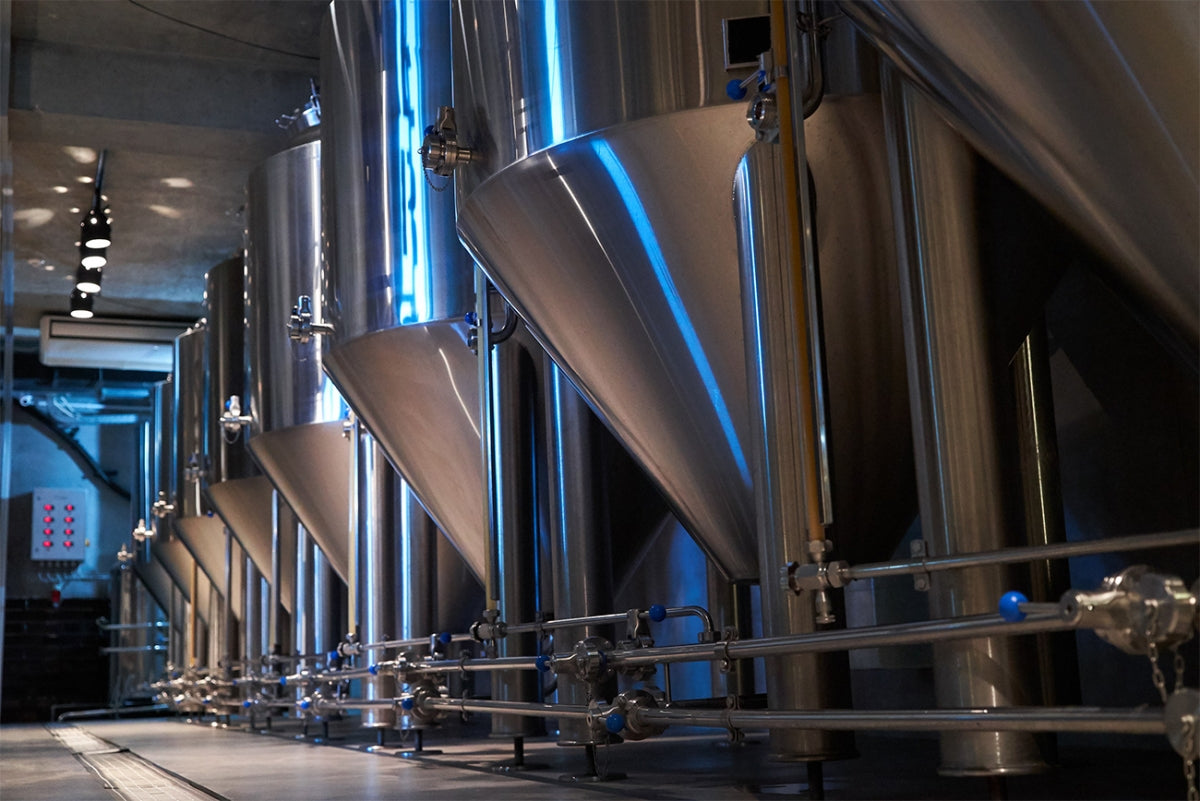
Fermenting beer: Why temperature control matters
The yeast makes the beer, and it makes off-flavours when the temperature fluctuates. Here is why a stable fermentation temperature matters, and the solutions from a fridge with a thermostat to glycol cooling.