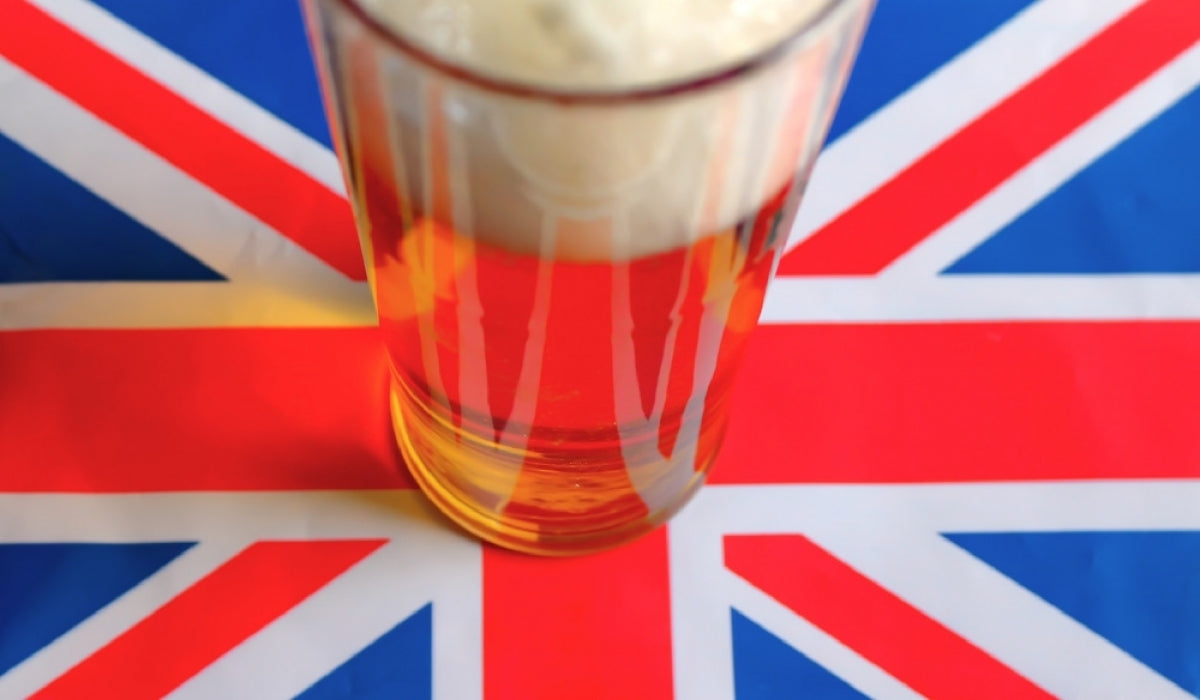
English Bitter is a classic beer style deeply rooted in British beer culture and history. The style originated in England in the 19th century and has since been a favourite among beer drinkers both in the UK and around the world.
English Bitter is usually divided into three main categories: Standard/Ordinary Bitter, Best/Special/Premium Bitter and Extra Strong Bitter (ESB). The first is the lighter variant, with an alcohol content of 3.2–3.8%, while Best/Special/Premium Bitter has an alcohol content of 3.8–4.6%. ESB is a stronger version, with an alcohol content of between 4.6% and 6.2%. ESB also has a more prominent malt and hop profile, giving a richer flavour and aroma.
English Bitter – Flavour profile
English Bitter is a type of Pale Ale, known for its balanced and complex flavour profile. The sweetness of the malt gives notes of caramel and bread, while the hops contribute a subtle but distinct bitterness. Some versions can also have a light fruitiness that comes from the yeast.
The flavour is often malt-dominated, with notes of caramel, nuts and bread. The hop aroma is usually subtle, with hints of flowers, herbs and spice.
The mouthfeel is medium to light, with moderate carbonation. This makes for a refreshing and easy-drinking beer that still has enough flavour and complexity to be interesting.
English Bitter is easy-drinking and easy to enjoy, thanks to its balanced flavour, moderate alcohol content and refreshing mouthfeel.
Ingredients for brewing English Bitter
Malt
Pale malt is the main ingredient, often making up 90% or more of the grain bill. To add some depth and complexity to the flavour, you can also include a small amount of crystal malt or chocolate malt.
Hops:
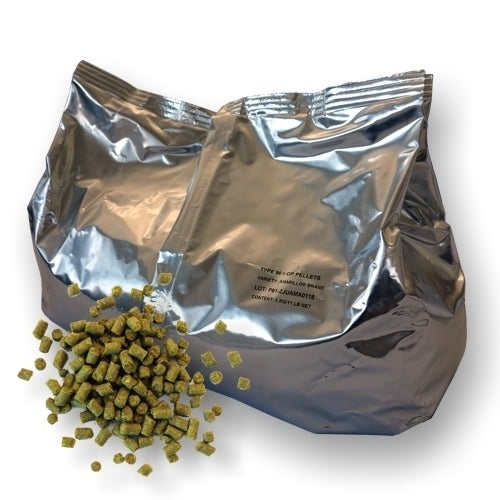
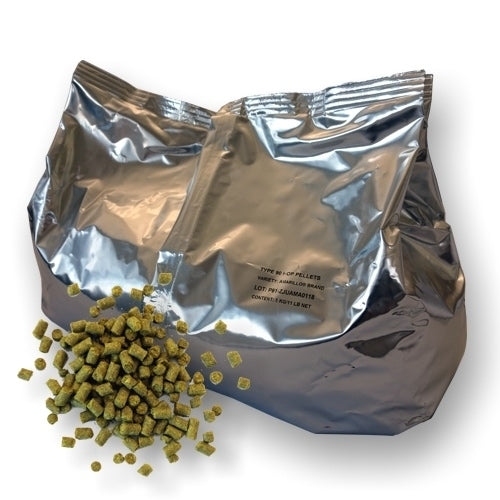
Traditionally, English hop varieties such as Fuggles or East Kent Goldings are used. These give an earthy, floral and slightly spicy aroma and flavour that suit the malt profile perfectly.
Yeast:
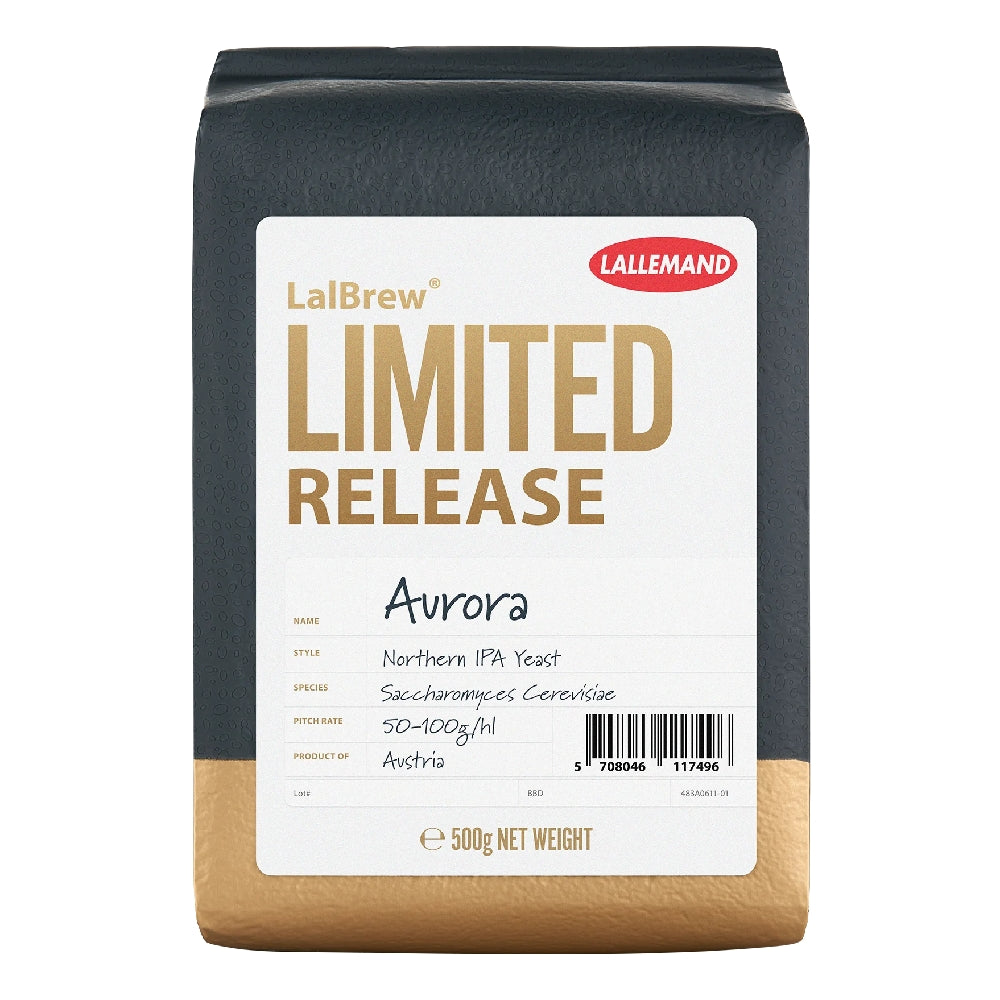
The yeast is important for creating the characteristic flavour of an English Bitter. English yeast strains such as WLP002 English Ale Yeast, SafAle S-04 or Lallemand's London ESB are ideal. They give a light fruity character and help create a good balance between malt and hops in the finished beer.
The brewing process for English Bitter
The brewing process for an English Bitter is relatively simple and straightforward. It starts with mashing the malt, usually at a temperature of around 66–68°C. This is followed by the boil, where the hops are added in several additions to provide bitterness, flavour and aroma.
Fermentation takes place at a temperature of around 18–20°C, which is ideal for English yeast strains. This gives the beer its characteristic fruity character while highlighting the balance between malt and hops.
After fermentation, it is important to let the beer condition for a few weeks before drinking. This helps the flavours develop and harmonise, resulting in a rounder and more balanced beer.
Example recipe for brewing an English Best Bitter
Here is an example recipe for a 25L batch of English Bitter:
- 5 kg Pale Ale Malt
- 500g Crystal Malt
- 50g East Kent Goldings (60 min)
- 25g East Kent Goldings (15 min)
- 1 pack WLP002 English Ale Yeast (alternatively SafAle S-04 or Lallemand's London ESB for dry yeast)
Details:
- OG: 1.045
- FG: 1.011
- IBU: 35
- EBC: 30
- ABV: 4.5%
- Fermentation temperature: 18–20°C
In short, English Bitter is a classic beer style that is both fun and easy to brew at home. With the right ingredients and a little patience, you can make a beer that is true to style and a joy to drink. Cheers!
Why not check out our ESB beer kit, made in collaboration with the brewery ØX in Trondheim: